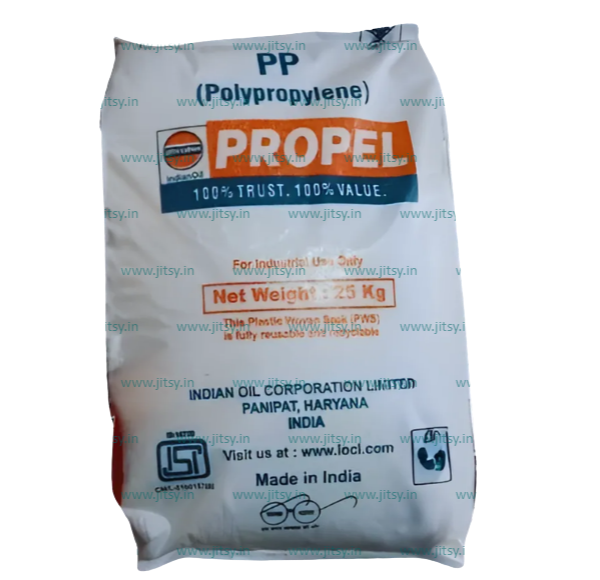
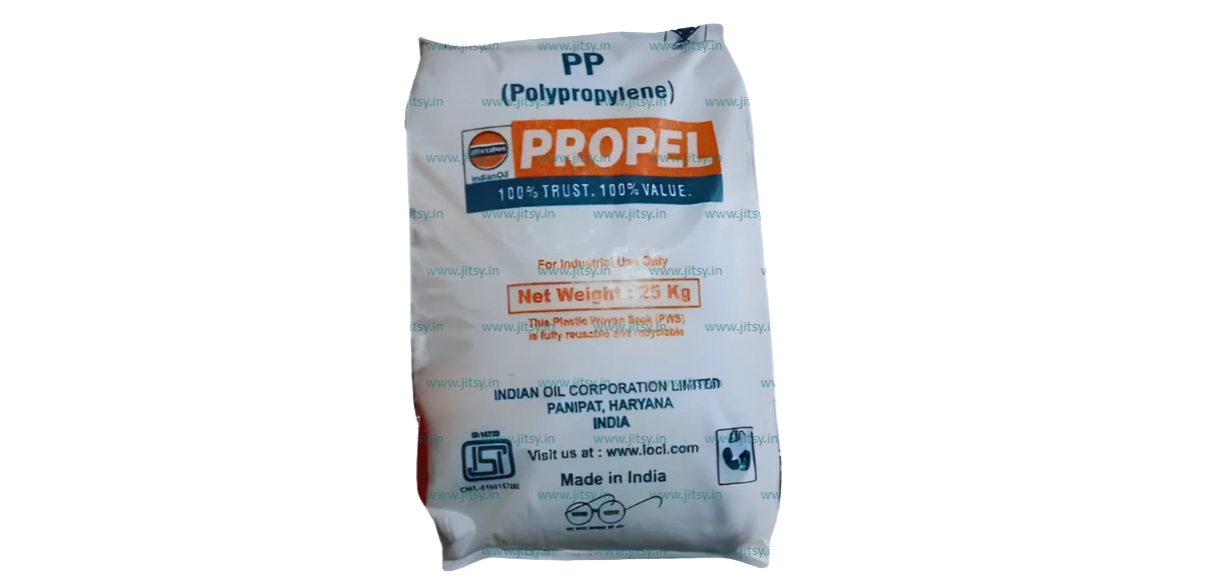
IOCL PPCP Propel 5300MN
IOCL PROPEL 5300MN is a high-performance, heterophasic natural-colored polypropylene impact copolymer (PPCP) engineered by Indian Oil Corporation Limited (IOCL) within their premium PROPEL brand line. Synthesized as a heterophasic copolymer, its molecular architecture incorporates a rubbery ethylene-propylene comonomer phase finely dispersed within a rigid polypropylene homopolymer matrix. This specific morphology allows the material to yield exceptional impact dampening and crack resistance while maintaining robust structural stiffness and excellent continuous processability.
Developed primarily as a specialized industrial resin, PROPEL 5300MN offers an optimized balance of high melt fluidity and extreme structural toughness. It acts as an ideal raw material choice for advanced injection molding and technical compounding processes. Its high-flow design significantly lowers injection pressures and cycle times in complex tooling geometries, making it a reliable industrial solution for large-format molding, deep-draw thin-wall geometries, and filled masterbatch compounding applications.
Crucial Regulatory Note: In accordance with official manufacturer documentation, this grade is explicitly not recommended for food contact or medical applications. Processing engineers and product designers should treat this as a firm operational restriction and strictly target non-food industrial, appliance, and automotive assemblies.
Specifications
Physical and Rheological Properties
- Melt Flow Index (MFI): 30 g/10 min (Tested via ASTM D 1238 at 230°C and 2.16 kg). A high melt flow rate ensures excellent fluid velocity inside industrial tooling, easing the manufacturing of thin-walled parts and reducing structural molded-in stress.
Mechanical Properties
- Tensile Strength at Yield: 20.0 MPa (Tested via ASTM D 638 at a crosshead speed of 50 mm/min). Provides dependable yield protection, ensuring structural housings can bear operational mechanical loads without deforming permanently.
- Elongation at Yield: 8% (Tested via ASTM D 638 at 50 mm/min). This performance limit indicates quick transitions into energy-dissipating plastic deformation under load, characteristic of balanced rubber-modified heterophasic arrays.
- Flexural Modulus: 900 MPa (Tested via ASTM D 790 at a test speed of 1.3 mm/min). The material maintains strong load-bearing flexural stiffness, preventing structural deflection in broad panel assemblies or internal appliance framing.
- Notched Izod Impact Strength at 23°C: 500 J/m (Tested via ASTM D 256). Exceptional super impact performance that ensures the molded component survives heavy kinetic shocks, drops, and rough handling without shattering.
Thermal Properties
- Heat Deflection Temperature (HDT): 88°C (Tested via ASTM D 648 under a standardized load of 0.46 N/mm²). This mechanical thermal profile guarantees structural dimensional stability under ambient engine bay temperatures or elevated mechanical operating conditions.
Processing and Handling Parameters
- Recommended Processing Temperature: 180°C – 230°C. Maintaining barrel zones within this thermal window ensures clean plasticization, excellent dispersion during masterbatch compounding, and minimizes risk of thermal polymer degradation.
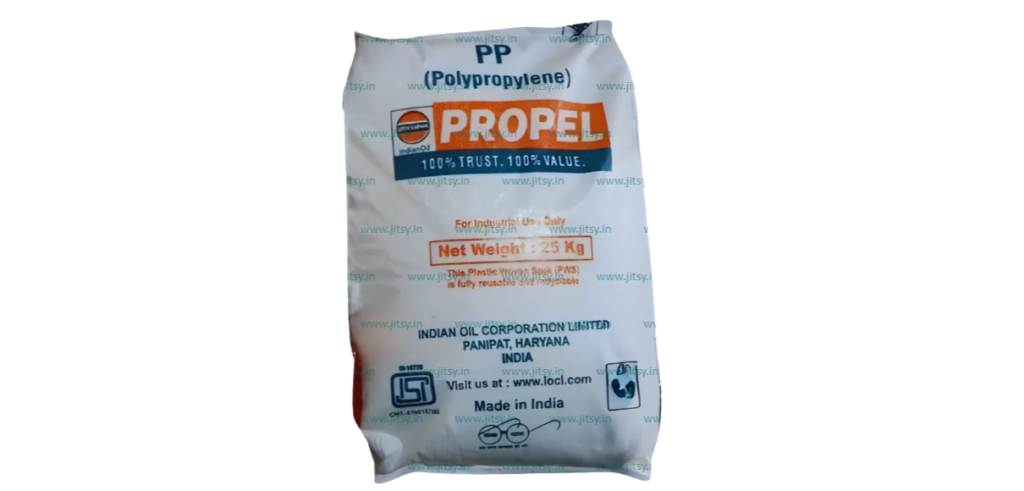
- Packaging: Standard moisture-resistant raffia bags containing a net weight of 25.0 kg per unit.
- Storage Environment: Must be stored in a dry, dust-free space protected from direct atmospheric elements. Internal storage ambient temperatures must not exceed 50°C to eliminate structural pellet compaction or degradation.
- Material Shelf Life: To guarantee optimal surface properties and processing mechanics, it is recommended to process the resin within 6 months from the initial delivery date.
- Testing Conditions Disclaimer: Mechanical metrics are derived from test specimens injection-molded according to ASTM D 4101 and properly conditioned via ASTM D 618 protocols. All values are manufacturer-stated typical properties and must not be construed as absolute specification limits.
Applications
Automotive Internal and Structural Components
Thanks to its 500 J/m Izod impact strength, this grade is widely utilized by tier-1 automotive molders to produce non-critical internal trims, structural battery cradles, mud flaps, and bumper reinforcements. The high flow characteristics facilitate automated robotic extraction and deep-cavity tooling distribution without leaving sink marks.
Industrial Machinery and Household Appliance Enclosures
PROPEL 5300MN is heavily utilized in manufacturing major appliance structural pieces, such as washing machine tubs, air conditioner outer shrouds, and heavy-duty tool chest enclosures. Its high stiffness (900 MPa flexural modulus) combines with impact absorption to shield sensitive interior electric motors from operational drop and vibration damages.
Technical Polymer Compounding and Masterbatch Carrier Bases
Industrial compounders utilize this raw material as an effective base resin for formulating high-filler talc compounds, reinforced glass-fiber compounds, and color masterbatches. Its high MFI of 30 g/10 min accommodates significant mineral or color pigment loading metrics while maintaining enough residual melt flow behavior to easily injection-mold subsequent composite parts.
Comparable Alternatives in India
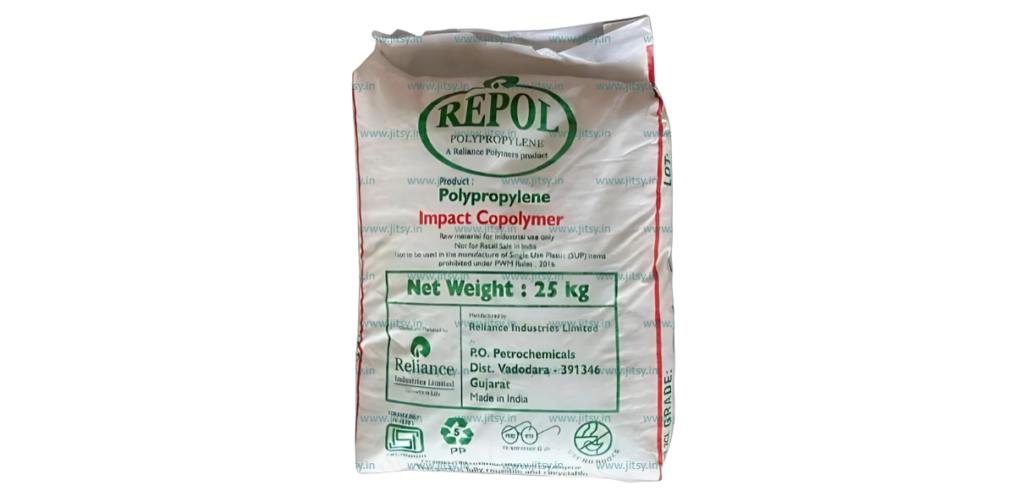
- Reliance Repol B300MN: A well-established regional market alternative carrying a similar 30 MFI profile designed for high-impact industrial injection molding. While cross-substitution is frequent, engineering teams must evaluate minor variations in flexural modulus behavior on automated assembly paths.
- Haldia Halene H30IM: A competing domestic high-flow impact copolymer grade targeting appliance and industrial housings. It provides a comparable operational process window, though exact notch sensitivity should be cross-verified before swapping out heavy tools.
- HPCL-Mittal (HMEL) Polymin Grades: High-flow impact copolymer variants designed for robust mechanical performance. When sourcing as a third-party option through Jitsy, always review batch-specific datasheets to ensure equivalent thermal deflection performance under load.
Common Search Variants
Generic Terms and Frequent Misspellings
Industrial procurement networks routinely look up this raw material using keywords like IOCL 5300MN PP, Propel 5300MN granules, IndianOil PPCP 5300MN, and heterophasic impact copolymer 5300MN. Frequent typographical errors on shipping manifests include Propell 5300MN, IOCL PP 5300 MN, and Propel5300
Need Technical guidance?
Why buy IOCL PPCP Propel 5300MN from JITSY?
- Direct import & verified sourcing
- Authorised channel–led supply
- Pan-India B2B delivery
- Transparent pricing & documentation
- Mobile app–enabled procurement
- Full compliance (RoHS, BIS/ISI, EPR, GST)
- Batch traceability
FAQs
Frequently Asked Questions
What does "heterophasic" mean in the context of IOCL PROPEL 5300MN?
Can PROPEL 5300MN be safely used to mold houseware food containers?
How does a 30 MFI profile benefit large-scale injection molding setups?
Why is there a recommendation to process this resin within 6 months of delivery?
What causes the low elongation at yield (8%) despite the high Izod impact value?
Can PROPEL 5300MN accept high mineral filler loads during industrial compounding?
What Customers Say
You must be logged in to post a review.
Other Relevant Products Available in India
Related Articles
JITSY Microspheres Guide: Expandable vs Pre-Expanded — Which Format Suits Your Process?
Expandable microspheres are small hollow beads that have a thin shell made of plastic and contain a liquid core. The liquid vaporises, the bead expands and the shell expands

COA Is Not Enough: How JITSY Goes Beyond Certification in Polymer Sourcing
Expandable microspheres are small hollow beads that have a thin shell made of plastic and contain a liquid core. The liquid vaporises, the bead expands and the shell expands

JITSY EVA Grade Selector: What VA Content Actually Means for Your Product
Expandable microspheres are small hollow beads that have a thin shell made of plastic and contain a liquid core. The liquid vaporises, the bead expands and the shell expands

JITSY DCP Buyer’s Guide: How to Choose the Right Dicumyl Peroxide Grade
Expandable microspheres are small hollow beads that have a thin shell made of plastic and contain a liquid core. The liquid vaporises, the bead expands and the shell expands

Circular Economy & Recycling in the Plastic Raw Material Value Chain
Expandable microspheres are small hollow beads that have a thin shell made of plastic and contain a liquid core. The liquid vaporises, the bead expands and the shell expands

How EVA Foam Material Is Used in Footwear Manufacturing
Expandable microspheres are small hollow beads that have a thin shell made of plastic and contain a liquid core. The liquid vaporises, the bead expands and the shell expands

Complete Guide to EVA Materials: Grades, Applications & Selection Tips
Expandable microspheres are small hollow beads that have a thin shell made of plastic and contain a liquid core. The liquid vaporises, the bead expands and the shell expands

How EVA Improves Adhesion in Packaging and Assembly?
Expandable microspheres are small hollow beads that have a thin shell made of plastic and contain a liquid core. The liquid vaporises, the bead expands and the shell expands

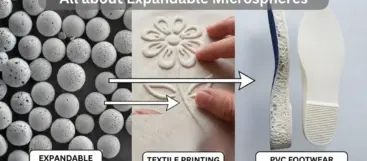
What Are Expandable Microspheres and How Are They Used in Textile Printing and PVC Footwear?
Expandable microspheres are small hollow beads that have a thin shell made of plastic and contain a liquid core. The liquid vaporises, the bead expands and the shell expands
How Small & Mid-Sized Manufacturers Can Compete Using Digital Procurement
Small and mid-sized manufacturers have never given up on competing. In the modern market, it is no longer sufficient to compete with the quality of the work and hard labour.

Why India Is Becoming a China+1 Option for Raw Material Sourcing
Businesses can no longer rely on a single nation. They currently diversify risk and seek partners who are stable. Meanwhile, the increased cost of labour in China.
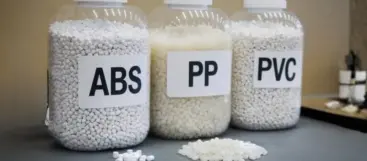
Choosing the Correct Polymer for Your Manufacturing Needs: ABS vs PP vs PVC
Confusion is common when manufacturers are considering ABS vs PP vs PVC. Different polymers are suitable for different applications, with specific pros and cons.

Top Procurement Mistakes Indian Manufacturers Make While Scaling
I have seen promising Indian manufacturers grow and then struggle during scaling. Often, success itself exposes operational cracks that were previously hidden.

Raw Materials Used in Toy Manufacturing: Safety, Compliance & Cost Factors
The materials used in toy manufacturing can impact the safety of children and the reputation of the company. There are multiple documented cases where improper material selection has led to recalls, litigation, and severe financial damage to toy manufacturers.

Choosing the Right Polymer Grades for Injection Molding
Purchasing the wrong polymer grade for injection molding can directly result in product failure, high rejection rates, or field performance issues. Different applications require vastly different material characteristics.

How Digital Procurement Platforms Reduce Raw Material Fraud
Raw material fraud is a frequent issue in conventional procurement. It usually happens due to the lack of supplier verification, the absence of records, and low levels of transparency. In manual systems, it is hard and time-consuming to keep track of materials.

Reviews
Clear filtersThere are no reviews yet.