


Bestsellers
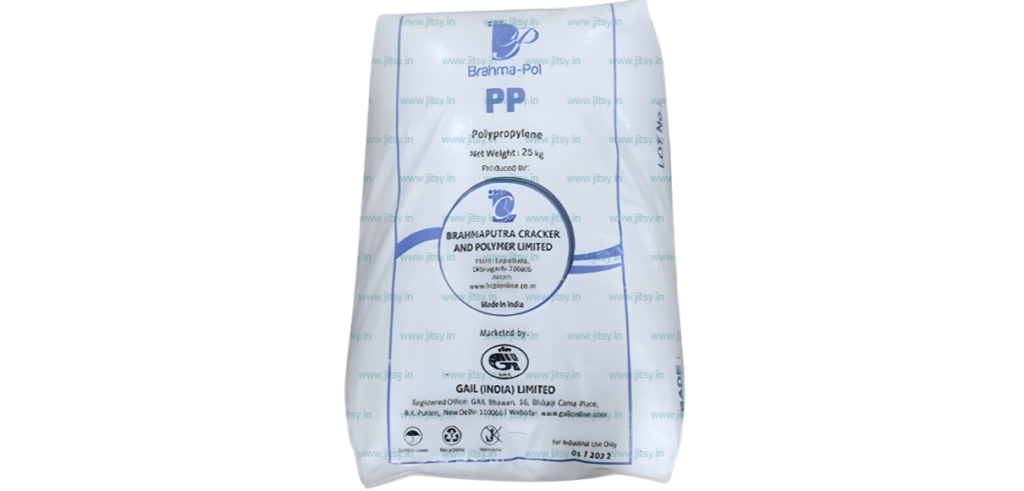
BCPL PP Brahma-pol FH110N
BCPL PP Brahma-pol FH110N is a polypropylene homopolymer TQ film grade manufactured by Brahmaputra Cracker and Polymer Limited using Novolen Gas Phase technology. Developed for tubular water quenched film applications, this grade is known for its excellent stiffness, high clarity, and balanced processing performance. It is widely used in transparent food packaging, textile overwraps, garment bags, and snack food packaging where converters need clean appearance, stable film behavior, and dependable output consistency.
Brahmaputra Cracker and Polymer Limited is a recognized Indian polypropylene producer, and its Brahma-pol PP range is positioned for industrial conversion segments such as film and raffia. FH110N sits in the TQ film category and is designed for buyers who need a homopolymer resin that supports transparent film production with a useful balance of stiffness and optical appeal. In practical terms, this makes the grade relevant for packaging manufacturers looking for better shelf presentation, neat film structure, and reliable machinability in water quenched film lines.
Technical Specifications and Deep Technical Insights
FH110N has a melt flow index of 10.5 g/10 min at 230°C, which places it in a processing window suitable for tubular water quenched film production. This flow profile supports smoother melt behavior and helps converters maintain output consistency across packaging film applications. The grade offers tensile strength at yield of 340 kg/cm², elongation at yield of 9%, and flexural modulus of 15000 kg/cm². For film manufacturers, this combination translates into a material that delivers good stiffness without losing essential handling performance. The stiffness profile is especially important in transparent packaging because it helps films hold shape better during conversion, packing, and presentation. FH110N also has a Vicat softening point of 154°C, which reflects the thermal resistance expected from a polypropylene homopolymer film grade in this category. This supports stable downstream handling in applications where film appearance, sealing behavior, and dimensional consistency matter. Recommended processing guidance includes barrel temperatures of 180–240°C and a die temperature around 200°C. In production terms, this gives converters a practical operating range for maintaining film clarity, melt stability, and efficient line performance. Buyers evaluating film grades often compare MFI, stiffness, tensile behavior, and thermal response together, and FH110N stands out as a grade built specifically for transparent TQ film applications rather than general-purpose raffia or molding use.Applications
Transparent Food Packaging
FH110N is well suited for transparent food packaging where film clarity and stiffness directly affect product visibility and pack appearance. Converters producing clear packaging films can use this grade where neat presentation, stable film formation, and consistent processing are important for commercial packaging lines.Textile Overwraps
In textile overwrap applications, FH110N supports films that need a clean look and enough stiffness for proper wrapping performance. This makes it relevant for packaging fabrics, garments, and textile products where optical quality and handling characteristics both influence buyer acceptance.Garment Bags
For garment bag manufacturing, FH110N offers the clarity needed for product display along with the structural feel expected in transparent protective packaging. It is a suitable choice for converters supplying apparel packaging where appearance, fold behavior, and line processability matter.Snack Food Packaging
Snack food packaging often requires transparent or presentation-focused film structures, and FH110N fits this need with its stiffness and clarity profile. It can be positioned for packaging formats where visual appeal, film uniformity, and dependable conversion performance are key selection factors.Performance Advantages
FH110N is valued for the way it balances optical and mechanical performance in TQ film production. Its clarity helps improve packaging presentation, while its stiffness supports better film feel and handling. The grade is also attractive for converters seeking a homopolymer resin that runs efficiently in tubular water quenched film lines without being positioned as a broad, undefined packaging resin. That application focus is one of its strongest commercial advantages.Comparable Alternatives
Within the BCPL portfolio, WH034N is positioned more toward raffia, monofilament, and woven sack applications, so it serves a different conversion need from FH110N. Buyers focused on transparent films should not treat both grades as interchangeable because FH110N is specifically aligned to TQ film processing and packaging clarity. Compared with MRPL HF010, FH110N sits in a very similar application space for TQ film, garment bags, and general transparent packaging. Both grades target film converters, but FH110N should be positioned strongly where BCPL sourcing preference, documentation access, and TQ film clarity-stiffness balance are key buying factors. Against broader market alternatives from OPaL, IOCL, and Reliance, FH110N competes as a specialized Indian PP homopolymer film grade for transparent packaging applications. The rationale behind the grade is clear: it is assigned to converters who need a film-focused resin with suitable flow, good stiffness, and optical performance rather than a raffia-first or injection-first grade.
BCPL PP Brahma-pol IH120N
BCPL PP Brahma-pol IH120N is a polypropylene homopolymer injection moulding grade manufactured by Brahmaputra Cracker and Polymer Limited using Novolen Gas Phase technology. Designed for general purpose injection moulding, this grade is widely used in rigid packaging, furniture, houseware, planters, pots, and closures where processors need dependable flow, good stiffness, and balanced mechanical strength.
Brahmaputra Cracker and Polymer Limited is an established Indian producer of polypropylene resins, and its Brahma-pol PP portfolio serves multiple conversion segments including injection moulding, film, and raffia. IH120N is positioned as a general purpose injection moulding grade for manufacturers looking for a practical balance of processability and part rigidity. In commercial terms, it is a relevant choice for moulders producing everyday rigid plastic components that require stable filling, consistent cycle performance, and reliable finished-part strength.
Technical Specifications and Deep Technical Insights
IH120N has a melt flow index of 12 g/10 min at 230°C, placing it in a versatile processing range for general injection moulding applications. This flow level supports easier cavity filling and makes the grade suitable for a broad mix of moulded products, especially where processors want a balance between flow and structural performance rather than an ultra-high-flow or highly specialized resin. The grade delivers tensile strength at yield of 350 kg/cm², elongation at yield of 8%, and flexural modulus of 15500 kg/cm². Together, these values indicate a material designed for rigid moulded articles that need shape retention, handling strength, and dependable in-use performance. For manufacturers, the flexural modulus is especially relevant in products such as houseware, closures, and furniture parts where stiffness influences feel, durability, and dimensional stability. IH120N also shows a Vicat softening point of 154°C, which supports thermal resistance expected from a polypropylene homopolymer in rigid consumer and industrial moulded applications. This helps processors and buyers assess the grade for products that may face moderate thermal exposure during use, storage, or downstream handling. Recommended processing guidance includes barrel temperatures of 200–280°C and a mould temperature around 40°C. In practical moulding operations, this gives processors a workable window for maintaining melt flow, part finish, and cycle consistency. Buyers comparing injection grades usually evaluate MFI, stiffness, tensile properties, and thermal response together, and IH120N stands out as a straightforward general purpose PP homopolymer for rigid injection moulding rather than film or raffia conversion.Applications
General Purpose Injection Moulding
IH120N is designed for general purpose injection moulding where processors need a dependable polypropylene homopolymer for routine production. Its balanced flow and stiffness profile make it suitable for manufacturers producing standard rigid parts with repeatable mould filling and consistent finished-part quality.Rigid Packaging
In rigid packaging applications, IH120N supports moulded products that require structural integrity, neat appearance, and practical processing performance. This makes it relevant for packaging manufacturers producing containers, caps, and other rigid items where stiffness and mechanical strength are important selection factors.Furniture and Houseware
For furniture and houseware segments, IH120N offers the rigidity and strength needed for moulded consumer products that must hold shape during regular use. It is a suitable grade for manufacturers making practical household items where durability, mouldability, and production efficiency all matter.Planters, Pots, and Closures
Planters, pots, and closures require a resin that can process smoothly while maintaining enough stiffness for end-use handling and product form. IH120N fits these applications well because it supports stable moulding and produces rigid parts suited to everyday industrial and consumer use.Performance Benefits
IH120N is valued for its combination of good flow properties, stiffness, and mechanical strength in general injection moulding. It helps processors achieve efficient mould filling while still delivering rigid finished parts. This makes it commercially attractive for manufacturers who want a dependable PP injection moulding grade for a broad range of rigid applications without moving into highly specialized or narrow-use materials.Comparable Alternatives
Within the BCPL portfolio, FH110N is positioned for TQ film applications and WH034N is aligned with raffia and woven conversion, so neither should be treated as a direct substitute for IH120N in injection moulding. IH120N is the correct BCPL grade when the requirement is rigid moulded products rather than film or woven structures. Compared with MRPL HM012T, IH120N sits in a closely comparable category because both grades are built for general purpose injection moulding and have similar melt flow positioning. Buyers evaluating the two would typically compare supply preference, stiffness profile, processing familiarity, and documentation support. Against OPaL MH13 and Reliance Repol H110MA, IH120N competes as a practical Indian PP homopolymer for rigid packaging and houseware moulding. The rationale behind the grade is clear: it is assigned to applications that need balanced flow, good rigidity, and reliable mechanical performance rather than thin-wall ultra-high-flow moulding or film-grade conversion.
BCPL PP Brahma-pol WH034N
BCPL PP Brahma-pol WH034N is a polypropylene homopolymer raffia grade manufactured by Brahmaputra Cracker and Polymer Limited using Novolen Gas Phase technology. Designed for stretched tape and yarn applications, this grade combines low water carry-over, good processability, and strong mechanical performance for woven sack and monofilament converters.
Brahma-pol WH034N is positioned in BCPL’s raffia and monofilament portfolio as a dependable low-MFI polypropylene homopolymer for tape extrusion and related downstream conversion. It is especially relevant for manufacturers that need stable tape formation, good tenacity, and efficient processing on raffia lines. BCPL, a GAIL group company, produces this grade through Novolen Gas Phase technology, supporting consistent polymer quality for industrial packaging and monofilament applications.
Technical Insights
BCPL WH034N typically offers a melt flow index of 3.4 g/10 min and density of 0.91 g/cm³, making it suitable for raffia tape extrusion where controlled flow and mechanical strength are important. Typical performance values include tensile strength at yield around 340 kg/cm², elongation at yield around 9%, flexural modulus near 15000 kg/cm², and Vicat softening point around 154°C. This profile supports a useful balance of stiffness, drawability, and thermal resistance for woven sack and yarn applications. A major processing advantage of WH034N is its low water carry-over, which helps improve line stability and reduce processing interruptions. Combined with good processability, this makes the grade attractive for high-speed raffia operations where output consistency and tape quality are critical. The mechanical profile also supports durable finished structures in sacks, ropes, monofilament products, and selected thermoforming applications.Applications
Woven Sacks
Brahma-pol WH034N is highly suitable for woven sacks used in cement, fertilizer, food grain, and sugar packaging. Its raffia-grade flow and mechanical strength help converters produce stretched tapes with the durability and consistency needed for heavy-duty industrial packaging applications.Leno Bags
This grade is also relevant for leno bag production, especially in vegetable and agricultural packaging. Its processability supports stable tape extrusion and weaving performance, helping manufacturers create lightweight yet durable packaging structures for produce handling and transport.Ropes and Monofilament
WH034N performs well in ropes and monofilament applications where strength, stiffness, and processing consistency matter. The grade’s homopolymer structure and raffia-oriented characteristics make it useful for converters producing industrial filament-based products that require dependable mechanical behavior.Thermoforming Applications
In thermoforming, WH034N can be used where processors need a polypropylene homopolymer with good stiffness and thermal resistance. While it is primarily known for raffia and tape applications, its broader utility makes it relevant for selected thermoformed products depending on design and processing conditions.Comparable Alternatives
Within the BCPL portfolio, WH034N is the key raffia and monofilament grade, while grades such as FH110N are positioned more toward film packaging applications. This makes WH034N the more suitable choice for stretched tape, woven sack, and yarn-oriented processing rather than tubular film conversion. In the broader Indian market, WH034N can be compared with MRPL HR003, OPaL RH03, and Reliance Repol B210R type raffia grades. All are relevant for woven sacks and raffia tapes, but WH034N stands out for buyers specifically seeking BCPL-origin polypropylene with low water carry-over, good processability, and application alignment across woven sacks, leno bags, ropes, and monofilament.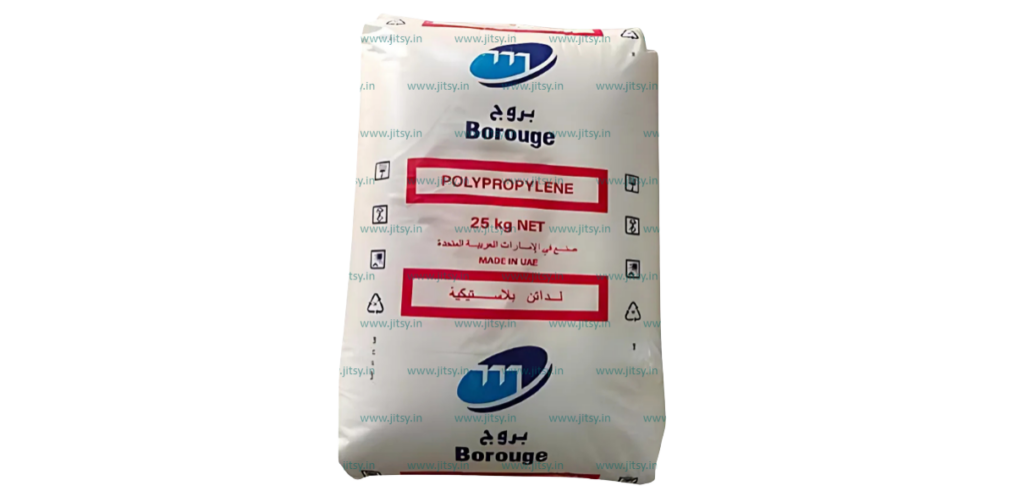
Borouge PPCP BJ368MO
Borouge BJ368MO is a state-of-the-art heterophasic polypropylene block copolymer (PPCP) engineered with Borstar Nucleation Technology (BNT) for advanced injection moulding. With a very high melt flow rate of 70 g/10 min, BJ368MO delivers outstanding processability, high stiffness-impact balance, and reduced cycle times—making it ideal for thin-wall packaging, food containers, and industrial parts. Its nucleated formulation ensures rapid crystallisation and dimensional stability, while built-in antistatic and mould release properties support fast, hygienic, and efficient production. Supplied as natural granules in 25 kg bags, BJ368MO is designed for converters demanding global food-contact compliance and reliable, high-output manufacturing.
Functional Features (Industry Authority)
Borouge BJ368MO stands out for its process efficiency and technical performance. The high MFI supports rapid mould filling in thin-wall and complex geometries, reducing energy consumption and cycle times. BNT nucleation technology ensures consistent part quality, minimized warpage, and superior surface gloss. The grade’s balanced stiffness and impact properties make it suitable for both rigid and semi-flexible applications. Antistatic and easy mould release features improve hygiene and throughput, particularly in food and medical packaging. BJ368MO meets stringent global food-contact standards, including EU 10/2011, Swiss Ordinance 817.023.21, GB31604.8-2021, Mercosur 32/2010, and IS 9845:1988.Applications & Industry Insights
Thin-Wall Packaging & Containers
BJ368MO is engineered for high-speed production of thin-wall packaging, food tubs, and ice cream cups. Its high flow and nucleation allow for lightweight, rigid containers with excellent surface gloss and dimensional accuracy. The antistatic property ensures clean demoulding and hygiene, crucial for food and medical packaging.Appliances & Houseware
Appliance and houseware manufacturers use BJ368MO for components requiring a balance of gloss, impact strength, and rigidity—such as trays, covers, and internal fittings. The grade’s processability supports complex part designs and high-cavitation tooling.Compounding & Industrial
BJ368MO serves as a robust base resin for mineral-filled and reinforced PPCP compounds, supporting the production of custom grades for automotive, electronics, and specialty industrial parts. Its high stiffness and impact balance enable reliable performance in functional and load-bearing applications.Performance Advantages
Compared to non-nucleated PPCP and lower-MFI grades, BJ368MO delivers faster crystallisation, shorter cycle times, and output gains. Its BNT technology ensures superior part quality, reduced warpage, and consistent mechanical performance. The built-in antistatic and mould release features further differentiate BJ368MO from competitors like Reliance B650MN and IOCL 3650MN, especially for hygiene-critical and export applications.Compliance & Documentation
BJ368MO is certified for food-contact under EU 10/2011, Swiss 817.023.21, GB31604.8-2021, Mercosur 32/2010, and IS 9845:1988. Each batch is supplied with a Product Data Sheet (PDS), Safety Data Sheet (SDS), Certificate of Analysis (COA), and regulatory compliance letters upon request. Converters are responsible for final article testing under their specific conditions of use.Packaging & Storage
Supplied in robust 25 kg bags, BJ368MO should be stored in dry, covered spaces below 50°C and away from direct sunlight. JITSY ensures pan-India logistics, reliable stock availability, and export-ready documentation for global buyers.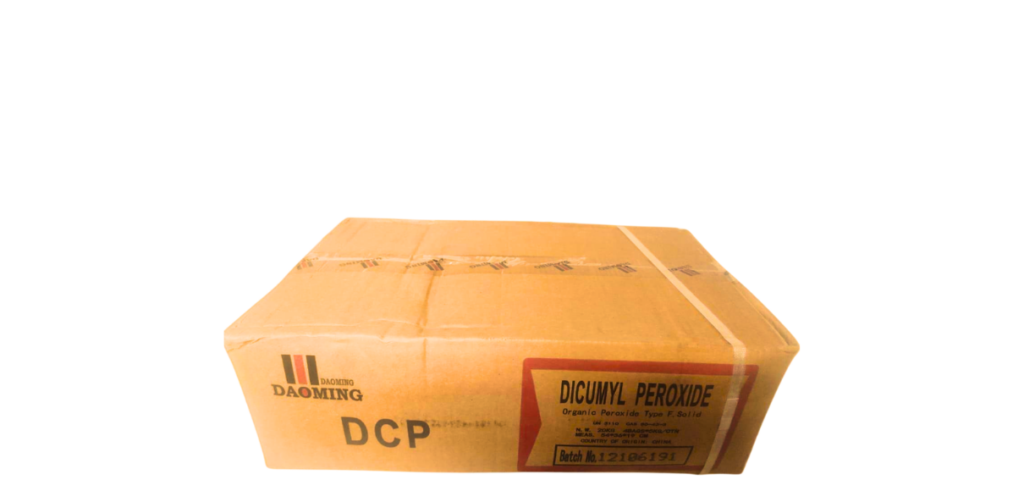
Daoming DCP 40C
Daoming DCP 40C is a 40% dicumyl peroxide (DCP) masterbatch on calcium carbonate, engineered by Jiangsu Daoming Chemical for safe, efficient crosslinking of rubber, polyolefins, foams, XLPE cables, and technical plastics. Its pre-dispersed, free-flowing form ensures easy dosing, uniform dispersion, and safety in high-volume Indian manufacturing.
Functional Features & Technical Detail
- 40% DCP on CaCO₃: Stable, high-purity masterbatch with active oxygen ≤2.3%.
- Predictable Cure: Decomposition at ~120 °C, half-life: 10h@116 °C, 1h@135 °C, 1min@180 °C.
- Safe Handling: Powder/granule form reduces dust, improves weighing and feeding.
- Versatile Use: For rubber (EPDM, NR, NBR, HNBR, silicone), polyolefins, XLPE, EVA foams.
- Non-Blooming: Carrier system ensures uniform crosslinking and avoids blooming.
Applications
Daoming DCP 40C is used by manufacturers for:- Rubber Compounding: Crosslinking in EPDM, silicone, NR, NBR, HNBR for hoses, seals, gaskets, and technical goods.
- XLPE & Cables: Enhances heat, chemical, and stress-crack resistance in cross-linked PE insulated power cables.
- Foam Plastics & EVA: Enables resilient, stable foams for footwear, sports, and construction.
- Shoes & EPS: Used in EVA/rubber shoe soles, EPS, and flame-retardant coatings for robust, durable output.
Daoming DCP 99
Daoming Dicumyl Peroxide 99 is a high-purity (≈99%) organic peroxide, supplied as a white crystalline powder or diamond-like crystals. It is based on bis(α,α-dimethylbenzyl) peroxide (CAS 80‑43‑3), and is used as a crosslinking agent for polyethylene (PE), EVA, CPE, EPDM, EPR, silicone rubber, and as a polymerization initiator for styrene and related monomers. Manufactured by Jiangsu Daoming Chemical—a specialist in dicumyl peroxide—this grade is engineered for consistent curing, reliable supply, and robust technical documentation.
Functional Features & Technical Detail
- High Purity Consistency: ~99% purity ensures repeatable crosslinking in PE, EVA, and elastomer compounds.
- Optimized Physical Form: Free-flowing white crystals or powder for easy dosing and dispersion in compounding lines.
- Versatile Crosslinker: Suitable for crosslinking a wide variety of polymers and elastomers, as well as for initiating styrene polymerization.
- Enhanced End-Product Performance: DCP crosslinking boosts thermal, chemical, and stress-crack resistance, and mechanical strength.
- Professional Manufacturing: Produced under ISO-based quality systems by Jiangsu Daoming Chemical, with strong technical and documentation support.
Applications
Daoming DCP 99 is trusted by Indian and global manufacturers for:- Polyethylene & EVA Crosslinking: Used in foam sheets, footwear midsoles, insulation, and specialty construction foams—enabling 3D network formation for heat, chemical, and stress-crack resistance.
- Rubber Vulcanization: Crosslinking agent for EPDM, EPR, silicone rubber—improving heat aging, compression set, and mechanical properties for automotive, cable, and industrial parts.
- Styrene Polymerization & EPS: Initiator in styrene polymerization and expandable polystyrene (EPS) production, supporting cell structure and flame-retardant EPS.
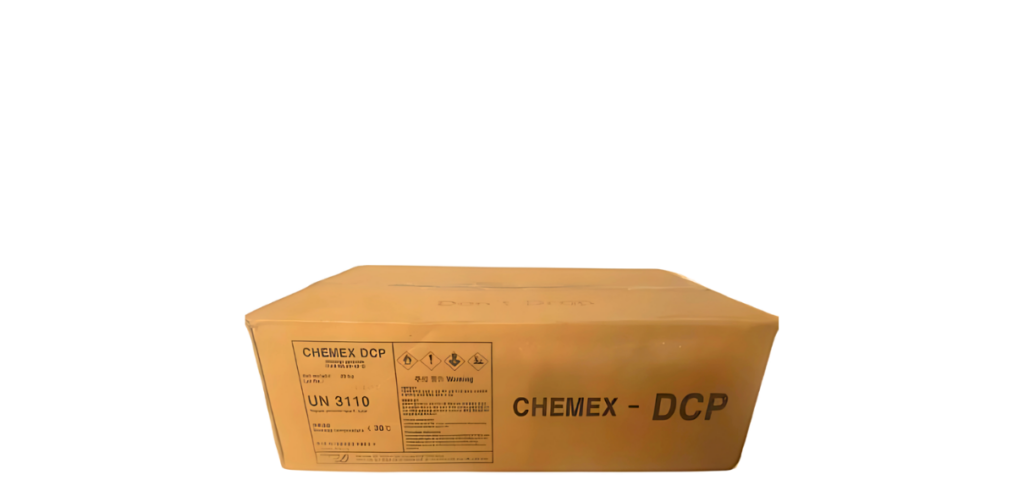
Dongsung Chemex DCP 40
CHEMEX DCP 40 is a pre-dispersed dicumyl peroxide formulation containing approximately 40% active DCP on an inert mineral carrier (typically CaCO₃), supplied as a free-flowing powder or granules. This format delivers all the crosslinking efficiency of DCP with safer handling, easier dosing, and better dispersion compared to 99% DCP crystals—making it ideal for Indian manufacturers of rubber, EVA/PE foam, XLPE cable compounds, TPVs, and technical rubber goods.
Functional Features & Technical Detail
- 40% Active DCP on Carrier: Consistent peroxide content, with 60% CaCO₃ for safe, accurate dosing.
- Easy Handling: Powder/granule form reduces dust, improves flow, and minimizes risk of hotspots or dosing errors.
- Versatile Crosslinking Agent: Suitable for natural and synthetic rubbers, EVA, PE, XLPE, TPVs, and more.
- Uniform Dispersion: Formulated for even distribution and non-blooming behavior in rubber and polymer compounds.
- Safer Processing: Lower active content and inert carrier improve workplace safety and handling compliance.
Applications
CHEMEX DCP 40 is trusted by Indian and global processors for:- Rubber Crosslinking: EPDM, EPR, HNBR, NBR, silicone rubber, and NR for automotive hoses, seals, gaskets, and profiles.
- EVA & PE Foam Crosslinking: Footwear, sports, construction foams with excellent compression set and rebound.
- XLPE & Cable Compounds: Crosslinks PE/EVA for wire and cable insulation/jacketing, improving heat and stress-crack resistance.
- TPVs, Shoe Soles, Seals: Used in thermoplastic vulcanizates, EVA/rubber shoe soles, and technical rubber goods.
- EPS, Foams, Flame-Retardant Systems: For foam structure, cell formation, and as a co-curing agent in composite and coating systems.
Dongsung Chemex DCP 99
Dongsung CHEMEX DCP is a high-purity dicumyl peroxide (DCP, CAS 80‑43‑3) engineered for use as a crosslinking agent and polymerization initiator in polyethylene (PE), EVA, ABS, EPS, and rubber. Available in solid (99%), liquid, and 40% carrier-based grades, CHEMEX DCP is a recognized global brand, now available in India through JITSY for cable, foam, footwear, and polymer processors seeking consistent DCP performance and robust technical documentation.
Functional Features & Technical Detail
- High-Purity DCP (≈99%): Ensures reliable, repeatable crosslinking and polymerization in PE, EVA, EPS, and elastomers with consistent active oxygen content.
- Multiple Handling Formats: Solid crystals, liquid, and 40% powder on CaCO3 carrier for compounding flexibility and safe dosing in various equipment.
- Efficient Crosslinking Agent: Supports robust foam formation, cable insulation, rubber vulcanization, and EPS expansion with superior thermal, chemical, and mechanical properties.
- Proven Decomposition Profile: Well-documented half-life and SADT data enable predictable cure design and safe processing windows.
- Trusted Global Brand: Produced in Dongsung's dedicated DCP plant in Yeosu, Korea, with ISO-based quality systems and full regulatory compliance for Indian industry.
Applications
Dongsung CHEMEX DCP 99% is trusted by leading Indian and global manufacturers for:- EVA & PE Foam Crosslinking: Enables resilient, durable foam for footwear, sports goods, and construction applications with excellent compression set and recovery.
- XLPE & Cable Insulation: Delivers superior heat, chemical, and environmental stress-crack resistance in crosslinked PE/EVA cable jacketing and insulation.
- Rubber Vulcanization: Used in EPDM, natural rubber, NBR, and technical rubber goods for automotive hoses, seals, gaskets, and industrial components.
- EPS & Styrenic Polymerization: Acts as a foaming aid and free-radical initiator for EPS, improving cell structure and flame-retardant performance.
- Composite & Coating Curing: Initiates crosslinking in unsaturated polyester resins, specialty coatings, and recycled polyolefin blends.
Technical Support & Application Guidance
JITSY works closely with processors to:- Select appropriate CHEMEX DCP grades (solid 99%, liquid, or 40% powder) for specific PE/EVA, rubber, or EPS formulations.
- Interpret general half-life and decomposition concepts from Dongsung and independent DCP literature for local processing conditions.
- Provide reformulation support for transitioning between DCP sources or optimizing cure profiles.
- Coordinate direct technical contact with Dongsung when specialized assistance is needed.
Quality Assurance, Traceability & Regulatory Support
CHEMEX DCP supplied by JITSY is sourced from authenticated Dongsung channels, delivered in sealed, labeled packaging with batch identification for traceability. Internal QA and documentation procedures support customer audits, regulatory filings, and product stewardship requirements in automotive, cable, building materials, and export-oriented industries across India.Related Products & Technical Alternatives
Other DCP Grades & Formulations
Beyond CHEMEX DCP 99%, we also offer:- CHEMEX DCP 40: 40% active DCP on CaCO3 carrier for safer handling and easier dosing.
- CHEMEX DCP L (Liquid): Liquid formulation for specific compounding equipment and applications.
- Other Global DCP 99% Grades: Alternative suppliers offer comparable DCP 99% products for performance and cost comparison.
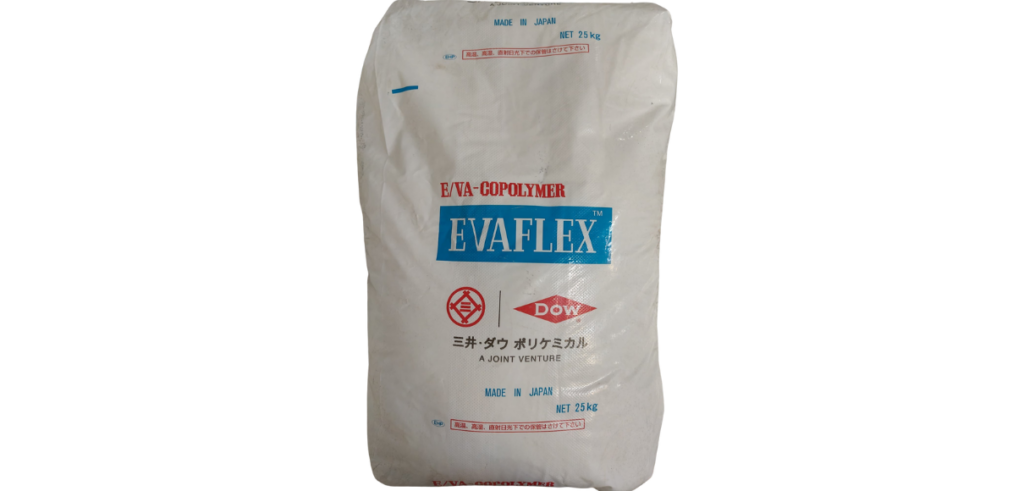
Dow-Mitsui EVA Evaflex 460
Dow-Mitsui EVA Evaflex 460 is an ethylene‑vinyl acetate (EVA) copolymer resin from Dow-Mitsui’s Evaflex family, engineered for demanding industrial applications including flexible packaging films, extrusion, molding, compounding, adhesives, sealants, and wax blends. With 18% vinyl acetate, a melt index of 2.5 g/10 min (190 °C/2.16 kg), and density of 0.941 g/cm³, Dow-Mitsui EVA Evaflex 460 balances flexibility, toughness, and processability for use in multilayer films, hot-melt adhesives, cable compounds, and molded parts. Supplied as natural granules with BHT antioxidant stabilization, it is trusted by Indian converters for reliability and consistent global quality.
Polymer Structure & Key Properties
- Polymer Type: Ethylene‑vinyl acetate copolymer (EVA)
- Vinyl Acetate (VA): 18% by weight
- Melt Index: 2.5 g/10 min (190 °C/2.16 kg)
- Density: 0.941 g/cm³
- Melting Point: ~88 °C
- Vicat Softening Point: ~64 °C
- Hardness: ~90 Shore A / 39 Shore D
- Brittleness Temperature: ≤ -100 °C
- Stabilizer: BHT antioxidant
Functional Performance
- Toughness: High tensile and impact strength
- Flexibility: Maintains softness at subzero temperatures
- Sealability: Low seal initiation temperature, strong hot-tack for films
- Adhesion: Works as a tie-layer in coextruded films
- Compounding: Enables hot-melt adhesives, wax blends, cable compounds
Applications & Hierarchy
Industrial & Packaging Films
- Blown/cast films for flexible packaging
- Coextruded barrier films (tie-layer in PE/PA/EVOH)
- Heat-sealable inner layers, shrink/stretch films
- Major clusters: Gujarat, Maharashtra, West Bengal, Tamil Nadu, Delhi NCR
Molding & Profiles
- Injection molded parts, grips, soft components
- Extruded profiles, strips, footwear blends
- Major clusters: Tamil Nadu, Maharashtra, Haryana
Adhesives, Sealants & Wax Blends
- Hot-melt adhesives (packaging, bookbinding)
- Heat-sealable coatings for paper, foil, films
- Wax blends for improved toughness, flexibility
- Clusters: Gujarat, Maharashtra, UP, West Bengal
Compounding & Modification
- Wire & cable compounds (impact/flex modification)
- EVA/PE blends for plastics
- Automotive, toys, athletic goods
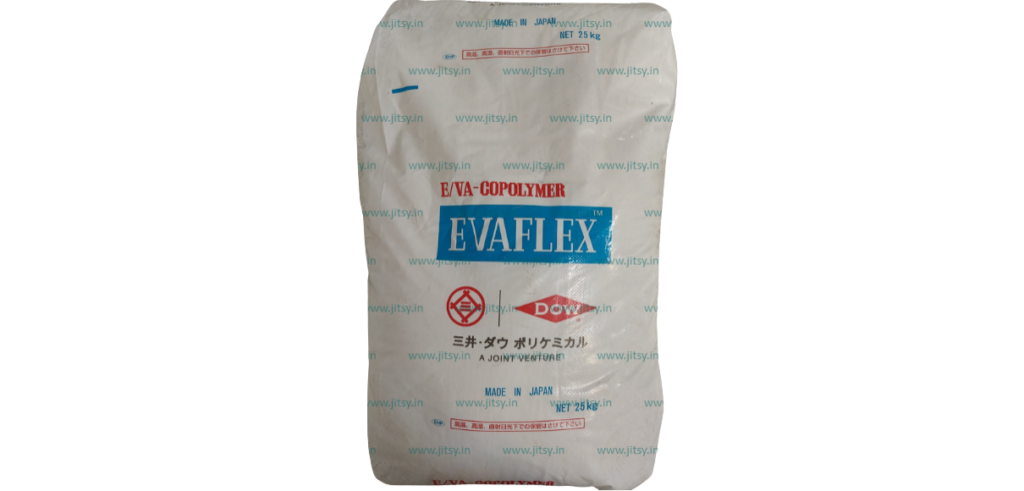
Dow-Mitsui EVA Evaflex EV40LW
Dow-Mitsui EVA Evaflex EV40LW is a premium ethylene-vinyl acetate (EVA) copolymer resin engineered as a high-VA, lower-melt-index adhesive and compounding grade. Developed by Dow-Mitsui Polychemicals Co., Ltd., Evaflex EV40LW combines high vinyl acetate content with controlled melt flow, delivering superior cohesive strength, excellent flexibility, and reliable processing for hot-melt adhesives, flexible foams, pressure-sensitive applications, and specialty compounds. Positioned as a lower-MI alternative to EVAFLEX EV40W, EV40LW offers enhanced body, thicker adhesive films, and improved stress-crack resistance—making it the preferred choice for Indian manufacturers requiring balanced flexibility with processing control and mechanical durability.
Functional & Technical Features
- High-VA Formulation: Delivers exceptional flexibility and outstanding adhesion to diverse substrates including paper, board, plastics, and films.
- Lower-Melt-Index Design: Provides superior cohesive strength and film-building capability compared to higher-MI grades, enabling thicker, more durable adhesive layers.
- Controlled Rheology: Optimized melt flow ensures precise control in hot-melt extrusion, coating, and compounding operations without excessive fluidity.
- Stress-Crack Resistant: Excellent low-temperature flexibility and resistance to mechanical stress, ideal for flexible compounds and cable jacketing.
- Versatile Processability: Suitable for hot-melt adhesives, pressure-sensitive applications, flexible foams, and specialty cable/tubing compounds.
- Global & India-Ready Compliance: Supports food-contact and regulatory frameworks for Indian and export markets.
- Batch-to-Batch Consistency: Dow-Mitsui's strict quality controls ensure uniform VA content, melt index, and predictable performance across all applications.
Core Applications and Industry Use Cases
Hot-Melt Adhesives for Packaging and Bookbinding
Evaflex EV40LW's high VA (40%) and lower melt index (25–35 g/10 min) make it exceptionally suited for hot-melt adhesive formulations requiring strong, flexible bonds. In packaging applications—carton sealing, case bonding, edge banding—its controlled flow enables precise application with minimal stringing, while its superior tensile strength (5.5–7.0 MPa) ensures durable joints that resist peel and stress. For bookbinding and spine gluing, EV40LW delivers the cohesive strength needed for long-term flexibility without brittleness, supporting both rapid production cycles and demanding durability requirements. Processing temperatures of 160–190°C provide optimal balance between fluidity and viscosity control.- Precise film thickness control without excessive flow.
- Superior adhesive strength for demanding packaging applications.
- Excellent flexibility for stress-resistant bonds.
Pressure-Sensitive and Specialty Adhesives
Evaflex EV40LW's balanced rheology and high elongation (900–1100%) make it ideal for pressure-sensitive adhesive (PSA) systems, tapes, and labels. Its lower melt index ensures consistent tack development and excellent substrate wetting, while its flexibility prevents cracking under mechanical stress or temperature cycling. The grade's Shore A hardness (45–50) provides the soft character necessary for rapid adhesion without sacrificing peel strength or aging resistance.- Consistent tack and adhesion properties across production runs.
- Excellent aging resistance and long-term bond durability.
- Superior flexibility for tape and label applications.
Foam, Cushioning, and Soft Compound Applications
With 900–1100% elongation and Shore A hardness of 45–50, Evaflex EV40LW is excellent for flexible foam, cushioning pads, insoles, and protective packaging. Its high VA content ensures strong bonding between foam cells and substrates, while its lower melt index provides precise control during foam expansion and molding. The grade’s stress-crack resistance at low temperatures (glass transition ~-30°C) ensures performance in cold-storage and outdoor applications.- Superior softness and comfort properties for footwear and cushioning.
- Excellent cell bonding and structural integrity in foam compounds.
- Outstanding cold-flex performance for demanding environments.
Wire, Cable, and Flexible Tubing Compounds
Evaflex EV40LW's combination of high flexibility (900–1100% elongation), strong tensile strength (5.5–7.0 MPa), and stress-crack resistance makes it ideal for cable jacketing, insulation, and flexible tubing. Its lower melt index ensures uniform extrusion and consistent wall thickness, critical for electrical safety and performance. The grade's Vicat softening point (100–105°C) provides reliable thermal stability for industrial and automotive cable applications.- Uniform extrusion for consistent cable dimensions and performance.
- Excellent stress-crack resistance at low temperatures and under mechanical stress.
- Superior thermal stability for demanding industrial environments.
Market Context – EVA Hot-Melt and Flexible Compounds in India
EVA hot-melt adhesives and flexible EVA compounds are experiencing rapid growth in India, driven by e-commerce packaging, footwear manufacturing, automotive assembly, and cable production. High-VA, lower-MI grades like Evaflex EV40LW are increasingly chosen for their superior cohesive strength, processing control, and regulatory compliance. Evaflex EV40LW meets the evolving needs of Indian manufacturers seeking reliable, high-performance adhesive ancd flexible resin solutions with proven technical specifications and local supply support.
Dow-Mitsui EVA Evaflex EV40W
Dow-Mitsui EVA Evaflex EV40W is a premium ethylene-vinyl acetate (EVA) copolymer resin engineered for high-performance hot-melt adhesive and flexible applications. Developed by Dow-Mitsui Polychemicals Co., Ltd., Evaflex EV40W features high vinyl acetate content, advanced processability, and excellent adhesion properties. Positioned as an adhesive-grade, high-VA EVA, it is trusted by Indian manufacturers for packaging, bookbinding, footwear, wire/cable, and automotive sectors. Evaflex EV40W sits at the top of the EVAFLEX family for maximum flexibility, superior bonding, and reliable performance in demanding B2B environments.
Functional & Technical Features
- High-VA Formulation: Delivers superior flexibility and outstanding adhesion to a wide range of substrates.
- Adhesive-Grade Versatility: Optimized for hot-melt adhesives, foams, coatings, and compounding.
- Consistent Processability: Stable melt flow for high-speed extrusion, molding, and compounding lines.
- Global & India-Ready Compliance: Supports food-contact and regulatory compliance for Indian and export markets.
- Batch-to-Batch Reliability: Tight production controls ensure uniformity and predictable performance across all applications.
- Technical Support: Backed by Dow-Mitsui’s global expertise and local Indian distributor assistance.
- Application Flexibility: Suitable for hot-melt adhesives, flexible foams, cable jacketing, and specialty films.
Main Applications and Industry Use Cases
- Hot-Melt Adhesives: Evaflex EV40W’s high VA and flow ensure rapid bonding in packaging, bookbinding, carton sealing, and label adhesives.
- Flexible Foam and Cushioning: Used in insoles, mats, and protective packaging, it delivers superior softness and resilience.
- Wire and Cable Compounds: Its flexibility and processability make it ideal for jacketing, insulation, and tubing in automotive and industrial cables.
- Film and Coating Applications: Suitable for extrusion coating, flexible films, and multilayer laminations, providing clarity and strong adhesion.
Processing Guidelines and Best Practices
- Recommended Temperature Zones: Feed: 100–120°C; Melt: 140–160°C; Working: 160–180°C; Die: 150–170°C.
- Moisture Control: Keep resin dry (<0.1% moisture) to prevent defects.
- Residence Time: Avoid excessive residence to prevent yellowing or degradation.
- Formulation Tips: Compatible with standard tackifiers, waxes, and antioxidants for hot-melt adhesive blends.
- Compounding Advice: Suitable for twin-screw extrusion, batch mixing, and hot-melt coating lines.
Formulation and Compounding Considerations
- Adhesive Formulations: Evaflex EV40W works well with tackifiers and waxes to achieve desired open/set times and bond strength.
- Compatibility: Blends with other polymers, plasticizers, and fillers for tailored performance.
- Performance Targets: Delivers high flexibility, strong adhesion, and rapid setting for industrial adhesive and foam applications.
Compliance, Quality, and Certifications
- Food-Contact Compliance: Supports FDA, EU, and Indian food-contact requirements (verify for specific end use).
- Quality Systems: Dow-Mitsui’s global standards ensure traceability, batch testing, and migration analysis.
- Documentation: TDS, SDS, and regulatory support available from authorized Indian distributors.
Market Context - EVA Hot-Melt and Indian Demand
EVA hot-melt adhesives are a fast-growing segment in India, driven by packaging, footwear, automotive, and cable industries. High VA grades like Evaflex EV40W are increasingly chosen for their flexibility, process speed, and regulatory compliance. Evaflex EV40W meets the evolving needs of Indian manufacturers seeking reliable, high-performance adhesive and flexible resin solutions.
Dow-Mitsui EVA EVAFLEX V421
EVAFLEX V421 is a high-performance ethylene-vinyl acetate (EVA) copolymer resin manufactured by Dow-Mitsui Polychemicals Co., Ltd. Synthesized with a relatively high vinyl acetate (VA) content, this grade is molecularly engineered to offer an optimal balance of structural flexibility, low-temperature resilience, and robust substrate adhesion. Unlike rigid polymers, its chain configuration yields a inherently soft material that retains functional ductility without requiring external, volatile plasticizers.
Industrial engineers select this natural-colored resin for its clean extrusion kinetics, thermal processability, and compatibility with diverse compounding formulations. The material behaves as a highly efficient bonding and modification agent, making it a staple raw material across technical molding, multi-layer film production, and hot-melt compound operations. Its structural architecture performs exceptionally well in demanding conditions that require long-term weather resistance, environmental durability, and impact dampening.
Technical Specifications
Physical Properties
- Vinyl Acetate Content: 28 wt% (Tested via JIS K7192). This substantial VA loading is the core structural driver for the polymer's high elasticity, optical clarity, and excellent polar adhesion characteristics, though it reduces overall crystalline stiffness compared to low-VA alternatives.
- Melt Flow Rate (MFR): 4 g/10 min (Tested via JIS K7210). An intermediate flow index ensures a balanced rheology, offering stable melt strength for continuous film extrusion alongside smooth cavity filling on injection molding equipment.
- Density: 950 kg/m³ (Tested via JIS K7112). This specific material density indicates a reduction in peak ethylene crystallinity, resulting in a flexible, low-stress solid matrix.
Mechanical Properties
- Tensile Strength: 25 MPa (Tested via JIS K7161). The polymer maintains robust ultimate tensile limits, protecting thin-walled extrusions or structural coatings from tearing under sudden mechanical loads.
- Ultimate Elongation: 800% (Tested via JIS K7161). Exceptional high-stretch mechanics ensure extreme ductility, allowing industrial parts to deform significantly and recover without experiencing structural cracking.
- Stiffness: 15 MPa (Tested via JIS K7106). A low stiffness value confirms the material's structural softness, facilitating easy bending, winding, and unspooling of technical profiles.
- Hardness: 82 Shore A (Tested via JIS K7215). This surface hardness provides a resilient, rubber-like texture that resists minor surface abrasions while maintaining a high coefficient of friction.
Thermal Properties
- Melting Point: 73°C (Tested via JIS K7121). A low crystalline melting point allows for energy-efficient, low-temperature industrial blending and fast cycles on secondary forming machinery.
- Vicat Softening Point: 42°C (Tested via JIS K7106). The material responds rapidly to radiant thermal profiles, marking it as highly reactive during secondary heat sealing or automated thermoforming procedures.
Applications
High-Adhesion Hot-Melt Formulations and Industrial Blending
The 28 wt% vinyl acetate composition makes this resin an excellent tackifying foundation for technical hot-melt adhesive compounds. Its unique polarity allows it to bond securely with non-porous paper stocks, polymers, and metallic laminates. Processing plants use this base resin to compound reliable adhesive systems that resist brittleness when stored in sub-zero industrial cold chains.Co-Extruded Technical Films and Solar-Panel Encapsulation
Converters use this grade on continuous film lines to produce highly transparent, impact-absorbing flexible layers. Its excellent optical clarity and inherent UV weathering resilience support its use in multi-layer protective packaging and solar-panel encapsulation sheets. The material encapsulates sensitive electronic circuits cleanly, shielding them from ambient humidity and structural impact.Flexible Molding, Footwear Components, and Wire Compounding
Manufacturers use this copolymer to produce flexible consumer footwear soles, soft-touch industrial gaskets, and wire jacket insulation compounds. Its low-temperature ductility prevents molded components from splitting or cracking in extreme winter environments, while its compatibility with mineral flame retardants supports high filler loading on cable compounding lines.Comparable Alternatives in India
Comparable EVA Grades
- EVAFLEX EV260: A related family grade from the Dow-Mitsui catalog. It features different internal flow characteristics and structural limits, making it a non-direct substitute that requires independent die adjustment.
- EVAFLEX EV40W / EV40LW / EV460: Alternative family choices targeting low-viscosity or specialized coating applications. These variants offer distinct mechanical and thermal behaviors and are not drop-in equivalents for applications optimized around V421's 4 MFR balance.
- Domestic Polyolefin Alternatives: Local compounding plants offer various regional EVA resins that aim for similar flexibility metrics. However, substitution paths remain unconfirmed unless both the raw vinyl acetate content and the precise JIS/ASTM test parameters match the V421 datasheet.
Common Search Variants
Generic Terms and Frequent Misspellings
Industrial procurement buyers often query this material using terms like EVAFLEX EVA V421, Dow-Mitsui EVA V421, Mitsui EVA V421, and EVAFLEX V421 granules. Typographical variations in regional material inventory sheets include Evaflex 421, EVAflex V421, Evaflexe, and V-421 resin.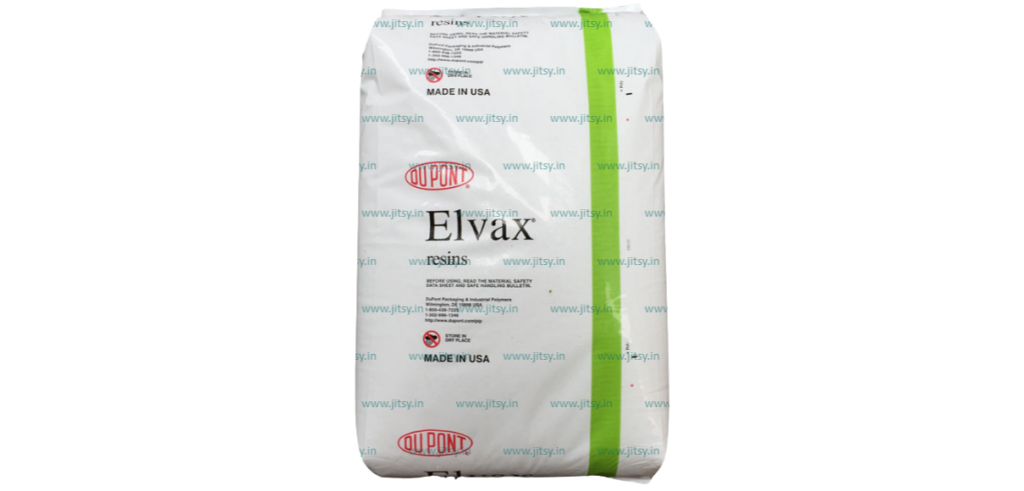
DuPont EVA Elvax 40L-03
What Is DuPont EVA Elvax 40L-03?
DuPont Elvax 40L-03 is a specialty ethylene-vinyl acetate copolymer resin engineered for the demanding needs of wire & cable jacketing, strippable semiconductive shields, and industrial sealant compounds. With a high vinyl acetate (≈40%) content, high molecular weight, and BHT antioxidant stabilization, Elvax 40L-03 delivers exceptional flexibility, toughness, and thermal stability. Its low gel content and consistent pellet quality make it ideal for smooth, defect-free cable jackets and critical compounding applications.Functional Features & Technical Detail
- High VA Content: Provides superior polarity, adhesion, and flexibility for tough cable and elastomeric applications.
- High Molecular Weight: Ensures mechanical strength, stress-crack resistance, and durability at elevated temperatures.
- Low Gel Content: Guarantees smooth extrusion, reduced surface defects, and reliable electrical insulation.
- BHT Antioxidant: Enhances thermal stability for demanding cable and automotive environments.
- Consistent Pellet Quality: Optimized for high-speed compounding, extrusion, and blending with fillers or additives.
Applications
Elvax 40L-03 is trusted by Indian and global manufacturers for:- Wire & Cable Jacketing: Used for automotive ignition cables, low-smoke power cables, and flexible jacketing where toughness and flex crack resistance are vital.
- Semiconductive Shields: Enables controlled adhesion and easy strippability in cable shield compounds.
- Sealants & Flexible Compounds: Blends into elastomeric sealants, adhesives, and molded parts demanding impact resistance and flexibility.
DuPont EVA Elvax 40W
Dupont EVA Elvax® 40W is the global benchmark for ultra-flexible, high-performance ethylene-vinyl acetate (EVA) copolymer resins. With a market-leading 40% vinyl acetate content, Elvax 40W is engineered for maximum flexibility, rapid processing, and exceptional adhesion. Trusted by adhesive formulators, packaging leaders, footwear, and cable manufacturers, Elvax 40W delivers consistent, premium results in India and worldwide. JITSY is your direct source for genuine Dupont EVA Elvax 40W—now available across Delhi NCR, Mumbai, Bangalore, Gujarat, Chennai, and all major Indian manufacturing hubs.
Functional & Technical Features
- Ultra-Flexible: Maximum elasticity for comfort and durability in adhesives and foams.
- Rapid-Processable: Fast melting and high flow for high-speed production cycles.
- Adhesion-Optimized: Superior bonding to a wide range of substrates, including paper, plastics, and metals.
- Food-Contact Ready: Pre-certified for FDA and EU food contact applications.
- Consistent-Quality: DuPont manufacturing ensures batch-to-batch reliability and traceability.
- Tackifier-Compatible: Blends seamlessly with all standard tackifiers and waxes.
- Thermal-Stable: Maintains mechanical integrity across a wide temperature range.
Applications
Dupont EVA Elvax 40W is the preferred choice for:
- Hot-Melt Adhesive Formulations: Primary base resin for packaging, bookbinding, edge banding, and food-contact adhesives—delivers fast set, flexibility, and strong bonds.
- Foam & Cushioning: Used in shoe insoles, sports mats, orthotic cushioning, and protective foams for ultra-soft, long-lasting comfort.
- Wire & Cable Jacketing: Ensures flexibility and cold-resistance in cable insulation and jacketing compounds.
- Packaging & Bookbinding: Low melting point and high elongation deliver the fastest bonding cycles and flexible seals for cartons, books, and specialty packaging.
- Specialty Applications: Solar PV encapsulation, textile lamination, automotive interiors, and more where flexibility and processability are critical.
Key Application Benefits:
- Enables rapid, energy-efficient adhesive and foam production.
- Maintains flexibility and adhesion in cold and high-heat environments.
- Supports high-speed, continuous manufacturing with minimal downtime.
Dupont EVA Elvax 460
Dupont EVA Elvax 460 is an ethylene‑vinyl acetate (EVA) copolymer resin from Dupont’s Elvax family, engineered for demanding industrial applications including flexible packaging films, extrusion, molding, compounding, adhesives, sealants, and wax blends. With 18% vinyl acetate, a melt index of 2.5 g/10 min (190 °C/2.16 kg), and density of 0.941 g/cm³, Dupont EVA Elvax 460 balances flexibility, toughness, and processability for use in multilayer films, hot-melt adhesives, cable compounds, and molded parts. Supplied as natural granules with BHT antioxidant stabilization, it is trusted by Indian converters for reliability and consistent global quality.
Polymer Structure & Key Properties
- Polymer Type: Ethylene‑vinyl acetate copolymer (EVA)
- Vinyl Acetate (VA): 18% by weight
- Melt Index: 2.5 g/10 min (190 °C/2.16 kg)
- Density: 0.941 g/cm³
- Melting Point: ~88 °C
- Vicat Softening Point: ~64 °C
- Hardness: ~90 Shore A / 39 Shore D
- Brittleness Temperature: ≤ -100 °C
- Stabilizer: BHT antioxidant
Functional Performance
- Toughness: High tensile and impact strength
- Flexibility: Maintains softness at subzero temperatures
- Sealability: Low seal initiation temperature, strong hot-tack for films
- Adhesion: Works as a tie-layer in coextruded films
- Compounding: Enables hot-melt adhesives, wax blends, cable compounds
Applications & Hierarchy
Industrial & Packaging Films
- Blown/cast films for flexible packaging
- Coextruded barrier films (tie-layer in PE/PA/EVOH)
- Heat-sealable inner layers, shrink/stretch films
- Major clusters: Gujarat, Maharashtra, West Bengal, Tamil Nadu, Delhi NCR
Molding & Profiles
- Injection molded parts, grips, soft components
- Extruded profiles, strips, footwear blends
- Major clusters: Tamil Nadu, Maharashtra, Haryana
Adhesives, Sealants & Wax Blends
- Hot-melt adhesives (packaging, bookbinding)
- Heat-sealable coatings for paper, foil, films
- Wax blends for improved toughness, flexibility
- Clusters: Gujarat, Maharashtra, UP, West Bengal
Compounding & Modification
- Wire & cable compounds (impact/flex modification)
- EVA/PE blends for plastics
- Automotive, toys, athletic goods
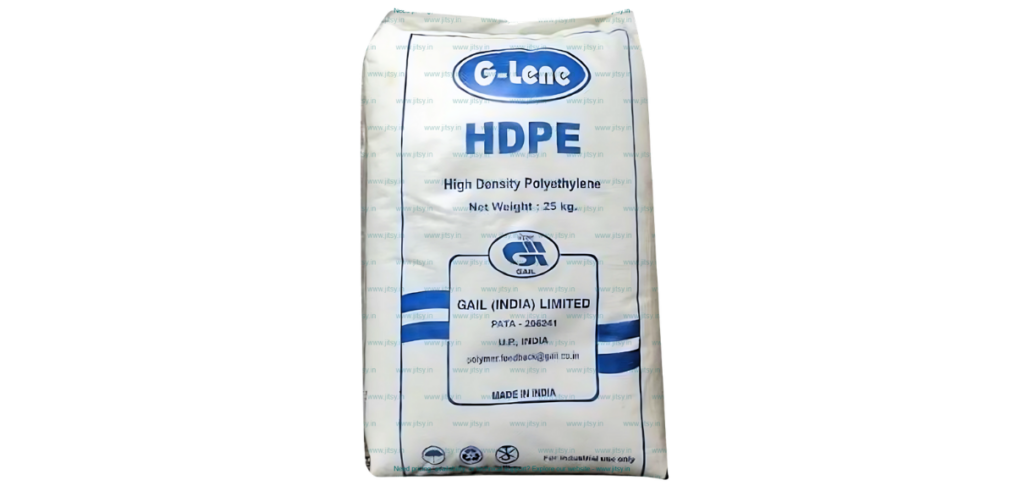
Gail HDPE G Lene E45A003
Gail HDPE G‑Lene E45A003 is a high‑density polyethylene (HDPE) resin from GAIL (India) Limited designed specifically for blown film extrusion as a blending component. GAIL positions this grade for use in blend with LDPE/LLDPE to produce co‑extruded laminated and non‑laminated films for a wide range of packaging and industrial film applications.
As an HDPE, E45A003 belongs to the linear polyethylene family, typically chosen when film converters need to add stiffness, strength, and load‑carrying capability compared to LDPE/LLDPE‑only structures. What makes E45A003 distinct is its low flow (low MFI) profile, which supports film strength and stiffness contribution while still being described as offering excellent processability with moderate stiffness when used in properly engineered blends.
For standards‑driven procurement, the manufacturer’s sheet states that E45A003 conforms to natural‑resin designation IS 7328‑3B‑FB‑DXDA of IS 7328:2020 (certificate available on request). This is useful when film producers must document resin designation alignment for internal QA or customer qualification.
Technical insights
Typical datasheet‑style properties
- Melt Flow Index (MFI, I2; 190°C/2.16 kg): 6 g/10 min (ASTM D1238)
- Density (23°C): 945 g/cm³ (ASTM D1505)
- Tensile strength at break (MD/TD): 400/350 kg/cm² (ASTM D882)
- Elongation at break (MD/TD): 750/900% (ASTM D882)
- Tear strength (MD/TD): 3/4 g (ASTM D1922)
What these properties indicate for film performance
MFI 0.6 (low flow): A low MFI HDPE typically contributes to higher melt strength and improved film strength/stiffness versus higher‑MFI film grades. In practice, this can help converters build tougher structures, but it also means processing and blend design matter to maintain stable bubble and output. Density 0.945: This density sits in the HDPE range and generally correlates with higher stiffness and better barrier contribution than lower‑density polyethylenes. In multilayer films, it’s often used to improve “body” and handling without over‑softening. MD/TD tensile and elongation: The tensile and elongation values (noted as typical on 40–50 µm blown films) indicate a balance of strength and ductility. This is relevant for packaging films that must resist tearing during handling while still stretching rather than cracking. MD/TD tear: Tear values highlight directional behaviour common in blown films. This is one reason E45A003 is positioned as a blending/co‑ex component—layer design and blend ratios are used to tune tear propagation and toughness. Important note on “typical” data: These are typical guidance values from the manufacturer sheet (not guaranteed limits). Final properties depend heavily on blend ratio, film thickness, blow‑up ratio, frost line height, and layer structure.Applications
Co‑extruded packaging films (laminated and non‑laminated)
E45A003 is recommended for co‑extruded blown film structures where converters blend HDPE with LDPE/LLDPE to balance stiffness, toughness, sealability, and process stability. It’s relevant for packaging films where better “hand feel” and strength are needed without losing the processing advantages of LD/LLDPE.Industrial wrap and protective films
For industrial wrapping films and protective packaging, adding a low‑flow HDPE component can improve load‑holding and puncture resistance in the final structure. E45A003 is typically considered when the film must stay firm during wrapping, stacking, and transit.Bag and liner structures (multi‑layer)
In bags, liners, and sack‑type films, E45A003 can be used as part of a multilayer recipe to increase stiffness and strength while LD/LLDPE layers contribute seal performance and toughness. This is especially useful when converters need a more rigid film without moving to a full HDPE monolayer design.Comparable alternatives
Comparable HDPE film grades exist, but E45A003 is specifically positioned as a blown‑film blending grade for LD/LLDPE co‑extrusion.- G‑Lene F45A003 (GAIL): Often referenced as a blown‑film HDPE grade around 45 MFI with similar density (~0.945 g/cm³). Relative to E45A003 (0.6 MFI), a lower MFI grade may contribute more stiffness/strength but can be less forgiving in processing. Use official TDS comparisons to confirm film mechanicals and intended use language.
- LLDPE blown‑film grades (e.g., G‑Lene LLDPE film grades): LLDPE‑dominant structures typically deliver better toughness and sealability, but can feel softer and less stiff. E45A003 is used when you want to “lift” stiffness/strength in a co‑ex structure while keeping LD/LLDPE benefits.
- Other supplier HDPE film components: Other manufacturers offer low‑flow HDPE film resins, but direct equivalence should only be claimed after matching MFI, density, and film mechanicals under similar test conditions (thickness, BUR, drawdown).
Common search variants
Also searched as: Gail E45A003 HDPE, E45A003 HDPE blown film, HDPE blown film granules, HDPE dana for film. Common variants/misspellings: G‑lene E45A003, E45A 003, E45A003A.
Gail HDPE G Lene I50A180
G‑Lene I50A180 is a high‑density polyethylene (HDPE) injection‑moulding grade from GAIL (India) Limited, designed for fast filling of thin‑wall household parts where surface finish and cycle time matter. In GAIL’s own technical sheet, the grade is positioned for household products such as buckets, mugs, and similar injection‑moulded items, highlighting excellent processability, low degree of warpage, and superior gloss.
As a very‑high‑flow HDPE (high MFI) with high density, I50A180 is typically selected by moulders who want a practical stiffness–toughness balance for everyday domestic containers and general rigid moulded goods—especially when the mould has thin sections, long flow lengths, or needs consistent appearance across high‑volume production runs. GAIL states the resin conforms to the natural‑resin designation IS 7328‑3B‑MB‑FXDE of IS 7328:2020 (certificate available on request), which is highly relevant for moulded household product applications in India.
Technical insights (what the key properties indicate)
Flow & mould filling (MFI)
With a typical Melt Flow Index (190°C/2.16 kg) of 20 g/10 min, I50A180 sits in the very‑high‑flow injection moulding class. Practically, this supports faster filling, easier processing of thin walls, and shorter cycle times—helpful for buckets, mugs, and toy parts where productivity and finish are critical.Stiffness & part rigidity (density and flexural modulus)
A typical density of 0.952 g/cm³ indicates a higher‑density HDPE structure that generally contributes to stiffness and dimensional stability. A flexural modulus around 9000 kg/cm² (as commonly mirrored by distributor listings) aligns with the “houseware rigidity” requirement—parts feel firm and hold shape under normal household loads.Strength & ductility (tensile and elongation)
Typical tensile strength at yield is 230 kg/cm² with elongation at yield of 10%, and elongation at break of 400% (on compression‑moulded specimens). This combination is commonly read by moulders as “stiff enough to hold form, but not brittle,” supporting everyday handling and drops typical in domestic use.Stress crack resistance (ESCR)
The ESCR value is listed as <10 hours (10% Igepal, ASTM D1693, F50), which signals that this is not a stress‑crack‑resistant packaging/industrial container grade. It’s better positioned as a standard household injection grade where high flow, gloss, and warpage control are prioritized over long‑term ESCR performance.Heat performance (Vicat)
A typical Vicat softening point of 122°C helps buyers assess heat tolerance for household environments (warm water exposure, general heat near kitchens, etc.), without positioning it as a high‑temperature engineering plastic.Processing guidance (from the datasheet)
GAIL’s processing guidance lists barrel temperature 200–280°C and mould temperature 25–40°C—useful guardrails for stable moulding, finish control, and warpage management in thin‑wall parts.Applications (industries & use cases)
Household containers and utility items: I50A180 is commonly specified for injection‑moulded buckets, mugs, and household containers where thin walls, good surface gloss, and low warpage are important. The very‑high‑flow nature supports clean filling and consistent appearance in high‑cavity or fast‑cycle production. Toys and general rigid moulded goods: For toy components and general‑purpose rigid injection parts, moulders often need a balance of stiffness, ductility, and processability. I50A180’s typical tensile/elongation profile and high flow make it suitable where the part geometry is complex or thin, and where visual finish matters. Thin‑wall injection moulding for mass production: When the priority is productivity—short cycle times, reliable filling, and stable dimensions—very‑high‑flow HDPE grades like I50A180 are often preferred over lower‑MFI options that may offer different mechanical emphasis but can be slower to fill in thin sections.Comparable alternatives (positioning vs similar grades)
GAIL I56A200U (similar flow class): I56A200U is often referenced as a comparable GAIL injection grade with similar high flow (commonly cited around 20 MFI) and slightly higher density positioning in some listings. Where confirmed by manufacturer sheets, moulders may compare these two for gloss/warpage behaviour and the stiffness “feel” of finished parts. Do not assume drop‑in equivalence unless the latest GAIL TDS values and IS designation match your requirement. GAIL I50A250 (higher flow): I50A250 is positioned as a higher‑flow option (commonly cited around 25 MFI). In general, higher flow can further improve thin‑wall filling and cycle time, but may shift the balance of mechanical performance depending on the exact grade design. Use manufacturer TDS comparison to validate performance targets (warpage, stiffness, impact). Lower‑MFI injection grades (e.g., crate/rigid emphasis): Compared with lower‑MFI HDPE injection grades, I50A180 is clearly positioned for thin‑wall houseware productivity and appearance (gloss, warpage control). If your application needs higher ESCR or different long‑term performance, a different HDPE family/grade selection may be more appropriate.Common search variants
Also searched as: “Gail I50A180 HDPE”, “G‑Lene I50A180 20 MFI”, “HDPE I50A180 injection moulding”, “I50A180 HDPE dana / granules”. Common variants/misspellings: “150A180”, “I50 A180”, “G Lene I50A180”, “Glen I50A180”.
Gail HDPE G Lene I50A250
Gail HDPE G‑Lene I50A250 is a high‑density polyethylene (HDPE) injection‑moulding grade from GAIL (India) Limited under the G‑Lene polymer range. It is positioned as a very‑high‑flow resin designed for medium‑to‑large household moulded parts where fast filling, good surface finish, and dimensional stability matter—such as buckets, flowerpots, and toys.
From a polymer‑engineering standpoint, HDPE is a linear polyolefin known for a strong stiffness‑to‑weight profile and practical impact resistance for everyday domestic products. In I50A250, the high flow supports easier mould filling for larger sections and complex geometries, while the grade is described as offering excellent processability, high gloss and flow, good mechanical properties, and a low degree of warpage—useful for moulders trying to balance cycle time, appearance, and part stability.
For buyers who need standards alignment for household moulded products, GAIL states the grade conforms to natural‑resin designation IS 7328‑3B‑MB‑FXDE of IS 7328:2020 (certificate available on request). This makes I50A250 a relevant option when procurement teams are filtering HDPE injection grades by Indian standard designation in addition to flow and density.
Technical insights
Typical datasheet‑style properties (from the provided manufacturer/brochure references)
- Melt Flow Index (MFI, I2; 190°C/2.16 kg): 25 g/10 min (ASTM D1238)
- Density (23°C): 952 g/cm³ (ASTM D1505)
What these properties indicate for performance
MFI (flow) — why it matters: A typical 25 MFI places I50A250 in the very‑high‑flow HDPE injection‑moulding class. Practically, this can help with faster cavity fill, easier gating, and shorter cycle times on medium‑to‑large parts (where thick sections and long flow lengths can otherwise slow production). Density — what it signals: A density around 0.952 g/cm³ is characteristic of HDPE grades built for stiffness and shape retention versus LDPE/LLDPE. For household containers and utility parts, this supports a more rigid feel and better dimensional control. Mechanical properties note (important): The provided excerpt does not include a full mechanical table (tensile, elongation, flexural modulus, etc.). For engineering sign‑off, confirm these values from the official GAIL datasheet or a distributor certificate before final material selection.Applications
Buckets and utility containers (houseware)
For HDPE bucket moulding and similar utility containers, I50A250 is selected when moulders want very high flow to fill larger sections quickly while still maintaining the stiffness expected from HDPE. The grade’s positioning around low warpage and good surface finish supports consistent part appearance across high‑volume production.Flowerpots and medium‑to‑large household items
In flowerpot moulding HDPE applications, flow and gloss are often prioritized because parts are large, visible, and commonly produced in multiple colours. I50A250’s high‑flow profile can help reduce fill‑related defects and improve productivity for medium‑to‑large moulds.Toys and general injection‑moulded components
For toy parts and general household injection moulding, the combination of HDPE stiffness with high flow can be useful for producing parts with good aesthetics and stable dimensions. As the grade is not described as UV‑stabilized in the provided inputs, outdoor exposure requirements should be evaluated case‑by‑case.Comparable alternatives
Within GAIL’s own G‑Lene portfolio, I50A250 is commonly positioned alongside I50A180 and I56A200U as household‑focused injection grades.- G‑Lene I50A180: Typically referenced at ~20 MFI with similar density (~0.952 g/cm³). Compared to I50A180, I50A250’s higher MFI (25) is positioned for easier flow and faster filling, especially helpful for medium‑to‑large The trade‑off in many polymer families is that higher flow can come with reduced toughness or ESCR versus lower‑flow counterparts—so confirm with official mechanical/ESCR data for your specific part.
- G‑Lene I56A200U: Also referenced around ~20 MFI, and described as UV‑stabilized in the provided inputs. If your application needs better outdoor durability, I56A200U may be considered; if your priority is maximum flow for large moulds, I50A250 is positioned as the higher‑flow choice.
