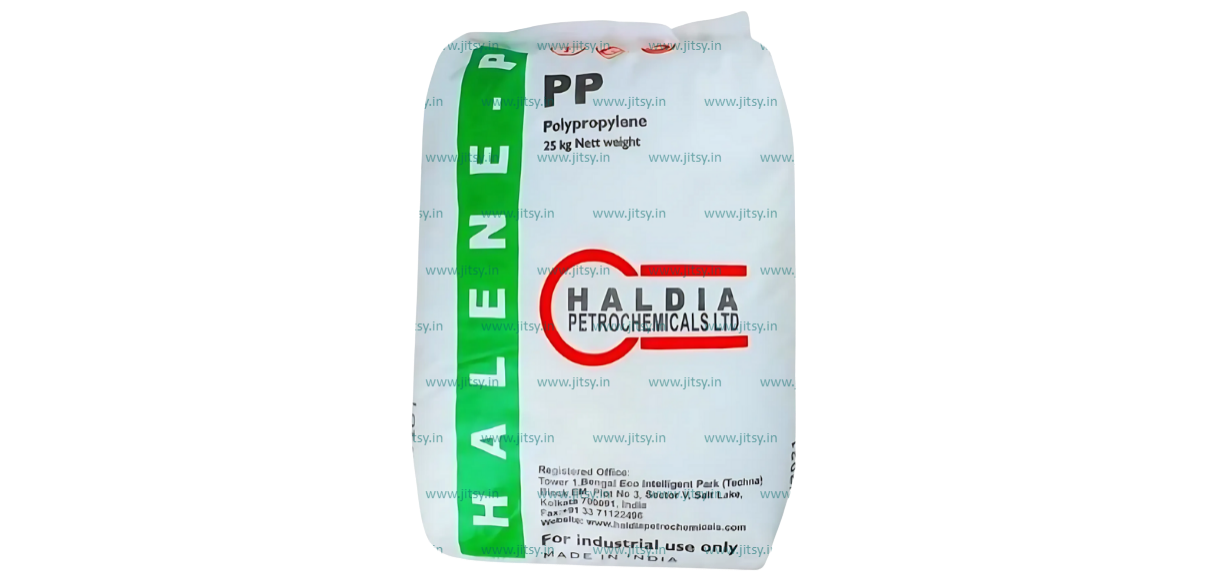
Haldia PPCP Halene M365
Haldia Halene M365 is a reactor-grade, nucleated heterophasic polypropylene impact copolymer (PPCP) developed by Haldia Petrochemicals Ltd. Engineered for high-flow performance (65 g/10 min MFI), M365 enables efficient thin-wall injection moulding with outstanding dimensional stability and low warpage. The nucleation technology accelerates crystallisation, reduces cycle times, and improves part precision, making it ideal for complex, high-volume manufacturing. Certified to IS 10951-3-MBV-F and compliant with IS 10910 for food, pharma, and drinking water contact, M365 is supplied as natural granules in robust 25 kg bags, with recommended storage in dry, UV-protected environments below 50°C.
Functional Features (Industry Authority)
Halene M365 delivers a unique blend of high-flow processability, nucleated stability, and balanced mechanical properties. The grade’s low warpage and rapid demoulding reduce defects and energy use, while its stiffness-impact balance ensures reliability in both rigid and semi-flexible parts. M365’s food-contact compliance and batch-to-batch consistency make it a trusted choice for converters, OEMs, and compounders across India.
Halene M365 offers a density of 0.90 g/cm³ and a melt flow rate of 65 g/10 min, providing the flowability needed for thin-wall and complex part designs. Its tensile strength at yield is 24 MPa, with 5% elongation at yield, ensuring balanced ductility and toughness. The flexural modulus of 1200 MPa and notched Izod impact of 60 J/m at 23°C deliver a reliable stiffness-impact profile, while a heat deflection temperature of 90°C and Vicat softening point of 135°C support thermal stability for demanding environments. All values are typical and not to be used as specifications.
Processing Recommendations:
Melt temperature: 210–250°C; mould: 20–50°C; shrinkage: 1.2–1.8%. High flow reduces injection pressure, supporting efficient production of complex geometries.
Compliance:
Certified to IS 10910 and IS 16738:2018 for food/pharma/water contact, and aligns with FDA CFR 21 177.1520. Documentation includes TDS, SDS, COA, and regulatory letters.
Applications and Industry Use Cases
Appliances and White Goods Components
Halene M365 is the material of choice for appliance housings, AC louvers, washer covers, and internal components requiring warpage resistance and snap-fit integrity. Its high flow and nucleation enable precise, lightweight parts, while food-contact compliance allows use in kitchen appliances and white goods.
Thin-Wall Packaging and Houseware
M365’s flowability and low warpage make it ideal for thin-wall tubs, crates, bins, and storage containers. The grade supports high-cavitation tooling and fast cycle times, enabling scalable production for consumer and industrial packaging.
Automotive and Compounding Base
In the automotive sector, M365 is used for non-structural trims, ducts, and interior panels where stiffness and dimensional accuracy are essential. As a compounding base, it provides superior processability for masterbatch and mineral-filled PPCP grades.
Performance Advantages of Halene M365
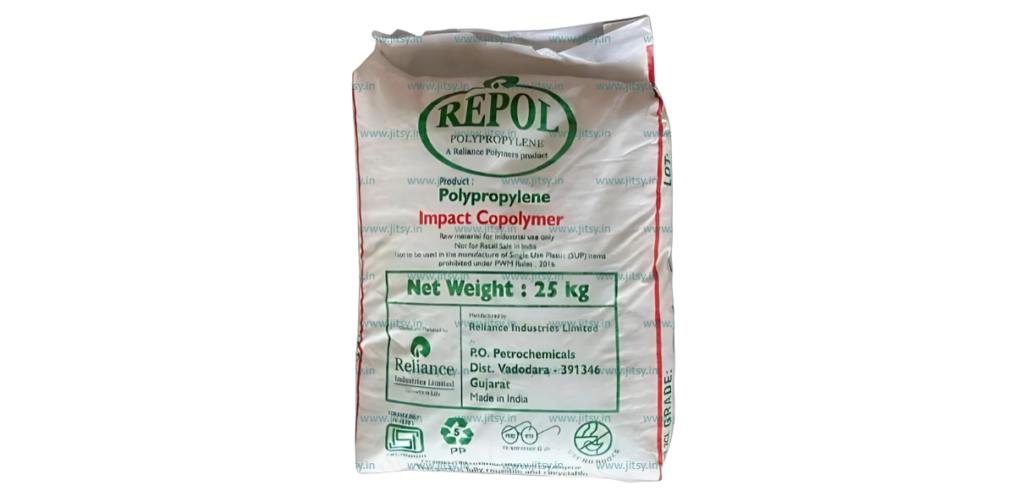
Compared to non-nucleated or lower-MFI PPCP grades, Halene M365 delivers 10–20% faster cycles, better dimensional accuracy, and reduced demoulding defects. Its reactor-grade nucleation distinguishes it from competitors like Reliance Repol B650MN, IOCL Propel 3650MN, and HMEL Polysure CM65NR by offering a superior balance of flow, warpage resistance, and gloss—critical for India’s appliance, packaging, and automotive OEMs.
Packaging, Storage, and Logistics
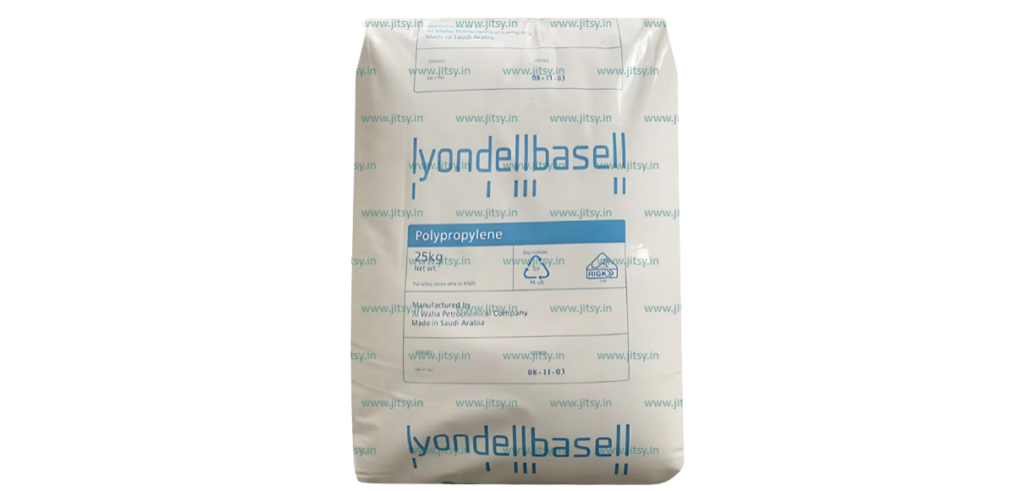
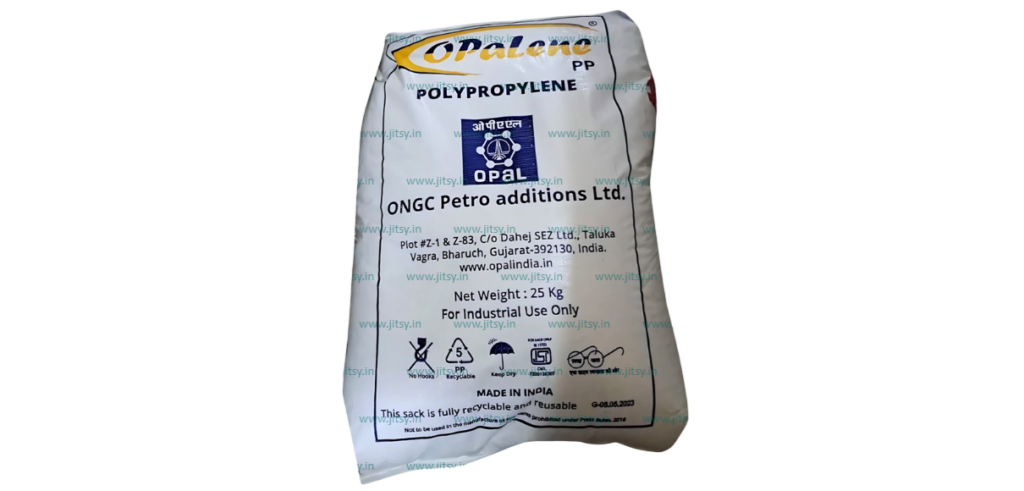
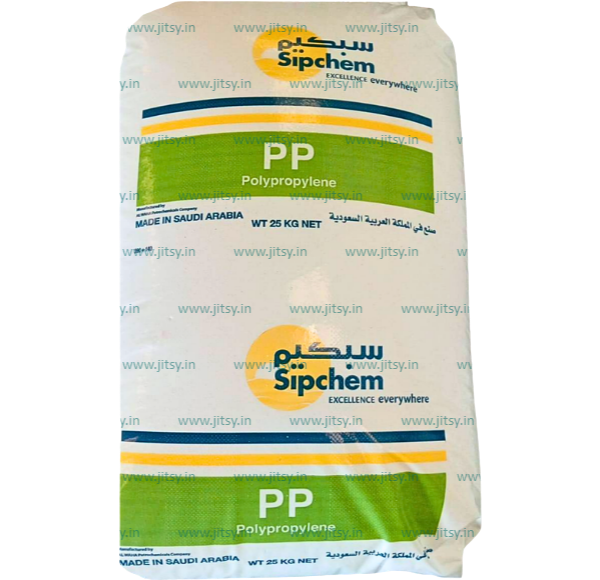
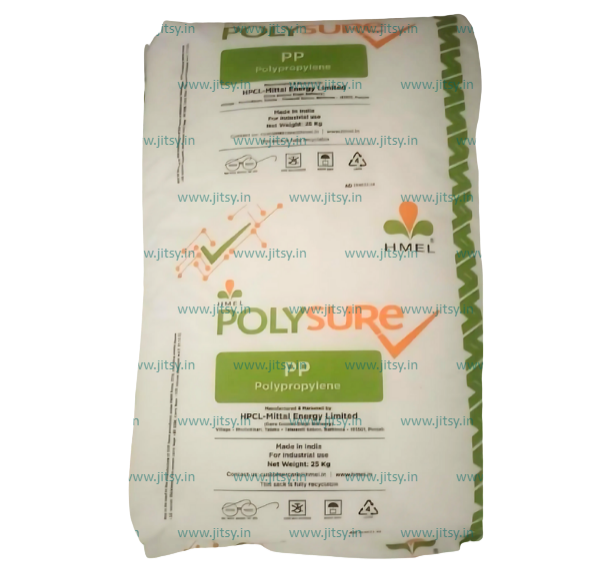
Halene M365 is packaged in strong 25 kg bags for safe handling and storage. Bags should be stored dry, below 50°C, and protected from direct sunlight to maintain material quality. JITSY.in ensures pan-India supply from Delhi/NCR warehouses, providing reliable stock, batch traceability, and export-ready documentation for global buyers.
Need Technical guidance?
Why buy Haldia PPCP Halene M365 from JITSY?
- Direct import & verified sourcing
- Authorised channel–led supply
- Pan-India B2B delivery
- Transparent pricing & documentation
- Mobile app–enabled procurement
- Full compliance (RoHS, BIS/ISI, EPR, GST)
- Batch traceability
FAQs
Frequently Asked Questions
What is the MFI and density of Halene M365?
Is Halene M365 suitable for food-contact applications?
How does Halene M365 compare to Reliance Repol B650MN?
What are the main applications for Halene M365?
What processing conditions are recommended?
Is documentation available for regulatory compliance?
Why choose JITSY.in for sourcing Halene M365?
What Customers Say
You must be logged in to post a review.
Other Relevant Products Available in India
Related Articles
JITSY Microspheres Guide: Expandable vs Pre-Expanded — Which Format Suits Your Process?
Expandable microspheres are small hollow beads that have a thin shell made of plastic and contain a liquid core. The liquid vaporises, the bead expands and the shell expands

COA Is Not Enough: How JITSY Goes Beyond Certification in Polymer Sourcing
Expandable microspheres are small hollow beads that have a thin shell made of plastic and contain a liquid core. The liquid vaporises, the bead expands and the shell expands

JITSY EVA Grade Selector: What VA Content Actually Means for Your Product
Expandable microspheres are small hollow beads that have a thin shell made of plastic and contain a liquid core. The liquid vaporises, the bead expands and the shell expands
JITSY DCP Buyer’s Guide: How to Choose the Right Dicumyl Peroxide Grade
Expandable microspheres are small hollow beads that have a thin shell made of plastic and contain a liquid core. The liquid vaporises, the bead expands and the shell expands
Circular Economy & Recycling in the Plastic Raw Material Value Chain
Expandable microspheres are small hollow beads that have a thin shell made of plastic and contain a liquid core. The liquid vaporises, the bead expands and the shell expands

How EVA Foam Material Is Used in Footwear Manufacturing
Expandable microspheres are small hollow beads that have a thin shell made of plastic and contain a liquid core. The liquid vaporises, the bead expands and the shell expands
Complete Guide to EVA Materials: Grades, Applications & Selection Tips
Expandable microspheres are small hollow beads that have a thin shell made of plastic and contain a liquid core. The liquid vaporises, the bead expands and the shell expands

How EVA Improves Adhesion in Packaging and Assembly?
Expandable microspheres are small hollow beads that have a thin shell made of plastic and contain a liquid core. The liquid vaporises, the bead expands and the shell expands

What Are Expandable Microspheres and How Are They Used in Textile Printing and PVC Footwear?
Expandable microspheres are small hollow beads that have a thin shell made of plastic and contain a liquid core. The liquid vaporises, the bead expands and the shell expands
How Small & Mid-Sized Manufacturers Can Compete Using Digital Procurement
Small and mid-sized manufacturers have never given up on competing. In the modern market, it is no longer sufficient to compete with the quality of the work and hard labour.

Why India Is Becoming a China+1 Option for Raw Material Sourcing
Businesses can no longer rely on a single nation. They currently diversify risk and seek partners who are stable. Meanwhile, the increased cost of labour in China.
Choosing the Correct Polymer for Your Manufacturing Needs: ABS vs PP vs PVC
Confusion is common when manufacturers are considering ABS vs PP vs PVC. Different polymers are suitable for different applications, with specific pros and cons.

Top Procurement Mistakes Indian Manufacturers Make While Scaling
I have seen promising Indian manufacturers grow and then struggle during scaling. Often, success itself exposes operational cracks that were previously hidden.

Raw Materials Used in Toy Manufacturing: Safety, Compliance & Cost Factors
The materials used in toy manufacturing can impact the safety of children and the reputation of the company. There are multiple documented cases where improper material selection has led to recalls, litigation, and severe financial damage to toy manufacturers.

Choosing the Right Polymer Grades for Injection Molding
Purchasing the wrong polymer grade for injection molding can directly result in product failure, high rejection rates, or field performance issues. Different applications require vastly different material characteristics.

How Digital Procurement Platforms Reduce Raw Material Fraud
Raw material fraud is a frequent issue in conventional procurement. It usually happens due to the lack of supplier verification, the absence of records, and low levels of transparency. In manual systems, it is hard and time-consuming to keep track of materials.

Reviews
Clear filtersThere are no reviews yet.