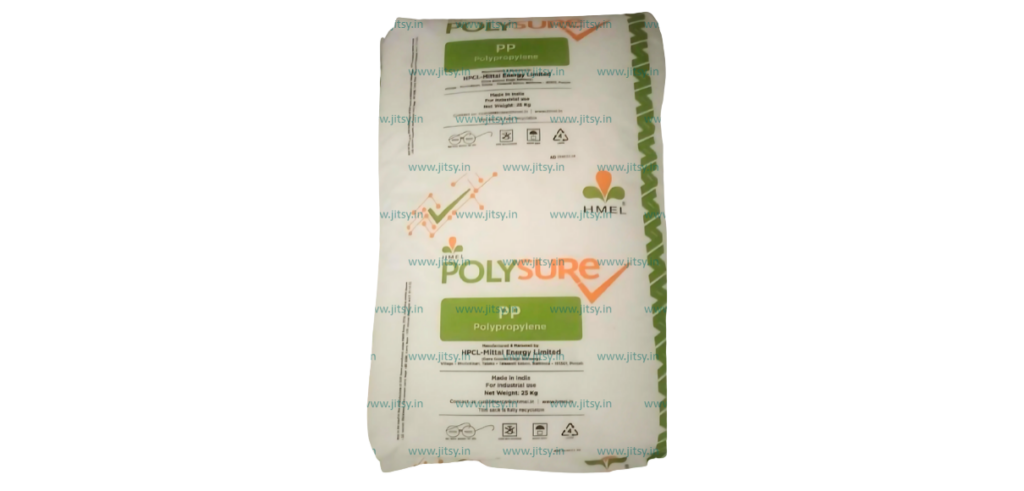
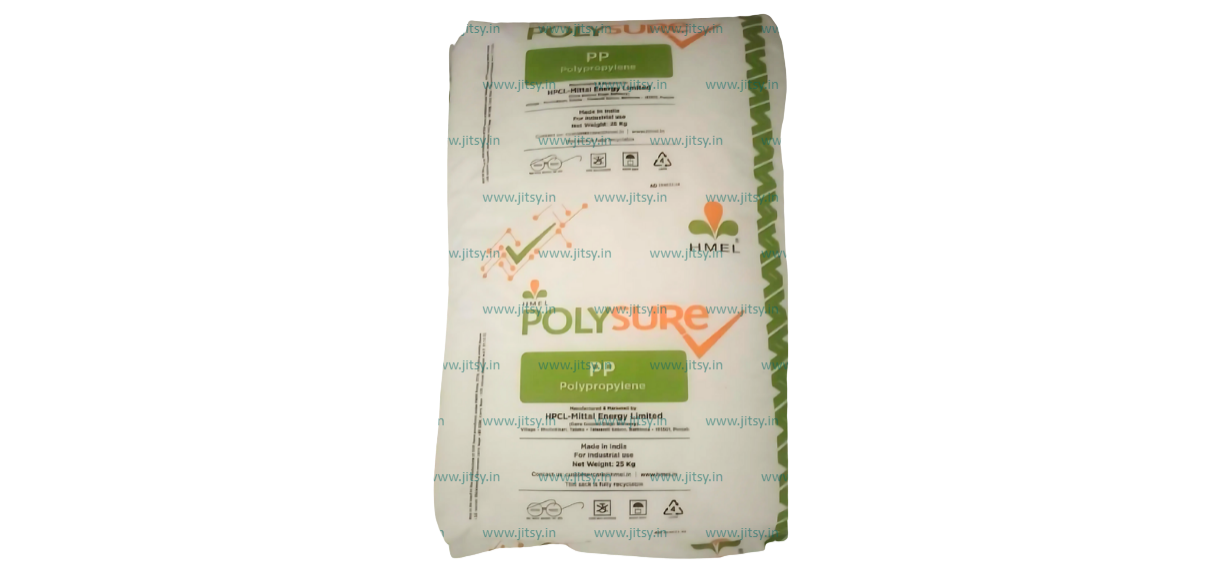
HMEL PPCP Polysure CM12RE
Polysure CM12RE from HMEL is a true “no-break” polypropylene impact copolymer (PPCP) granule, engineered for injection moulding and compounding of luggage, automotive, and industrial components demanding extreme toughness. Produced on advanced Spheripol-II technology, CM12RE delivers exceptional low-temperature impact resistance and consistent performance across batches. Its MFI of 12 g/10 min offers the ideal balance between flow and mechanical strength, making it the preferred choice for manufacturers seeking high-toughness PPCP alternatives to Reliance, Haldia, or OPaL grades. CM12RE is designed for applications where drop resistance, durability, and reliability are non-negotiable.
Technical specifications of HMEL Polysure CM12RE
Material identification, HSN & CAS
- Polymer type: Polypropylene impact copolymer (heterophasic PPCP)
- Form: Natural granules, Spheripol-II process
Flow & physical properties
- Melt Flow Index: 12 g/10 min (230°C/2.16 kg) – supports medium-wall, complex parts with high toughness
- Consistent morphology: Spheripol-II ensures reliable performance and OEM approvals
Mechanical toughness & impact performance
- No-break grade: Passes instrumented impact/Izod tests at room and low temperatures without fracturing
- Superior toughness: Engineered for hard-shell luggage, automotive compounds, and heavy-duty parts where drop and cold-weather performance matter
Thermal & regulatory profile
- Service temperature: Suitable for typical PP IC ranges in luggage, automotive, and industrial mouldings
- Compliance: IS 10910 & IS 16738:2018 for food, pharma, and drinking water contact (processed as recommended)
Applications & industry use cases
Luggage and travel goods
CM12RE is the benchmark PPCP for hard-shell suitcases, trolley bags, and protective frames. Its no-break toughness ensures superior drop and impact resistance—reducing cracking at corners and handles during baggage handling and travel, even in cold conditions.
Automotive components & compounds
Ideal for compounding automotive bumpers, interior trims, battery boxes, and underbody shields, CM12RE serves as a robust base resin for filled and coloured compounds. Its consistent performance and impact strength meet demanding OEM specifications.
Industrial & heavy-duty moulded parts
For industrial crates, pails, housings, and machinery covers, CM12RE’s impact resistance and load-bearing capability outclass standard PPCP, ensuring reliability in harsh environments.
Compounding & custom PP impact formulations
As a masterbatch carrier or base for talc/fibre-reinforced or weatherable compounds, CM12RE delivers excellent dispersion, processability, and toughness—enabling custom solutions for technical and industrial applications.
Processing guidelines for CM12RE PPCP
Recommended injection-moulding window
- Melt temperature: 200–240°C
- Mould temperature: 30–45°C
- Packing: Ensure sufficient packing to avoid sink marks in thick ribs and bosses
Compounding considerations
- Compatible with mineral, fibre, and pigment fillers
- Standard PP IC screw design; throughput optimised for medium-high flow
Common issues & troubleshooting with PP impact copolymers
- Warpage: Use balanced cooling, especially in large or thick parts
- Flow marks: Increase injection speed or optimise gate design
- Short shots: Raise melt temperature or injection pressure, check venting
Performance advantages vs other PP impact copolymers
CM12RE vs CM12RR and other Polysure grades
- CM12RE: Focus on no-break toughness and low-temperature impact for luggage/auto
- CM12RR: Designed for stackability and stiffness, more suited for housewares/pails
CM12RE vs competitor PPCP grades (Reliance, Haldia, OPaL)
- CM12RE: No-break performance, Spheripol-II consistency, Indian origin
- Competitors: General-purpose tough grades, but may not match CM12RE’s impact in demanding luggage/auto/industrial roles
Need Technical guidance?
Why buy HMEL PPCP Polysure CM12RE from JITSY?
- Direct import & verified sourcing
- Authorised channel–led supply
- Pan-India B2B delivery
- Transparent pricing & documentation
- Mobile app–enabled procurement
- Full compliance (RoHS, BIS/ISI, EPR, GST)
- Batch traceability
FAQs
Frequently Asked Questions
What makes CM12RE a “no-break” PPCP grade?
How does CM12RE differ from CM12RR?
Is CM12RE suitable for food or pharma contact?
What are the best applications for CM12RE?
What processing conditions work best for CM12RE?
How does CM12RE perform in cold conditions?
Can CM12RE be used as a base resin for compounding?
What Customers Say
You must be logged in to post a review.
Other Relevant Products Available in India
Related Articles
Complete Guide to EVA Materials: Grades, Applications & Selection Tips
Expandable microspheres are small hollow beads that have a thin shell made of plastic and contain a liquid core. The liquid vaporises, the bead expands and the shell expands

How EVA Improves Adhesion in Packaging and Assembly?
Expandable microspheres are small hollow beads that have a thin shell made of plastic and contain a liquid core. The liquid vaporises, the bead expands and the shell expands

What Are Expandable Microspheres and How Are They Used in Textile Printing and PVC Footwear?
Expandable microspheres are small hollow beads that have a thin shell made of plastic and contain a liquid core. The liquid vaporises, the bead expands and the shell expands

How Small & Mid-Sized Manufacturers Can Compete Using Digital Procurement
Small and mid-sized manufacturers have never given up on competing. In the modern market, it is no longer sufficient to compete with the quality of the work and hard labour.
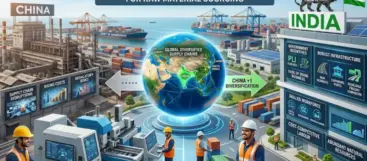
Why India Is Becoming a China+1 Option for Raw Material Sourcing
Businesses can no longer rely on a single nation. They currently diversify risk and seek partners who are stable. Meanwhile, the increased cost of labour in China.
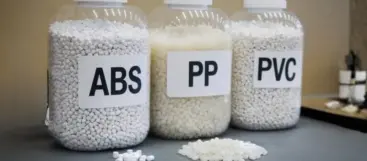
Choosing the Correct Polymer for Your Manufacturing Needs: ABS vs PP vs PVC
Confusion is common when manufacturers are considering ABS vs PP vs PVC. Different polymers are suitable for different applications, with specific pros and cons.
Top Procurement Mistakes Indian Manufacturers Make While Scaling
I have seen promising Indian manufacturers grow and then struggle during scaling. Often, success itself exposes operational cracks that were previously hidden.

Raw Materials Used in Toy Manufacturing: Safety, Compliance & Cost Factors
The materials used in toy manufacturing can impact the safety of children and the reputation of the company. There are multiple documented cases where improper material selection has led to recalls, litigation, and severe financial damage to toy manufacturers.
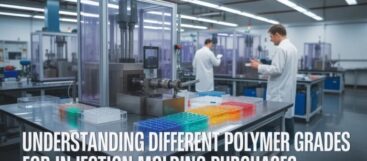
Choosing the Right Polymer Grades for Injection Molding
Purchasing the wrong polymer grade for injection molding can directly result in product failure, high rejection rates, or field performance issues. Different applications require vastly different material characteristics.

How Digital Procurement Platforms Reduce Raw Material Fraud
Raw material fraud is a frequent issue in conventional procurement. It usually happens due to the lack of supplier verification, the absence of records, and low levels of transparency. In manual systems, it is hard and time-consuming to keep track of materials.
How Crude Oil Prices Impact Plastic Raw Material Costs in India
Crude oil plays a powerful role in the worldwide plastic industry & India is no exception. Most of the plastic raw materials, like PE, PP, and PVC, are extracted from petrochemicals sourced from crude oil.
The Great Procurement Divide: Why Your Best Engineers Make Your Worst Buyers
Walk into any manufacturing facility across India—from PVC pipe makers in Gujarat to automotive component manufacturers in Chennai—and you’ll hear this logic echoed in boardrooms and production floors alike.
Copy-Paste vs. Innovation
Is playing it safe actually the riskiest strategy? The uncomfortable truth about innovation avoidance in Indian manufacturing
The Credit Cycle Shift: Why 30-Day Payments Are Winning Hearts (and Wallets)
If you’ve ever done business in India, you know this vibe. Long credit terms weren’t just about money—they were about trust, connection, and that warm cup of chai shared over a handshake deal. You’d walk into your supplier’s office, chat about life, and walk out with goods worth lakhs, no questions asked.
The Great Inventory Debate
When COVID hit, I think all of us felt something shift in how we think about supply chains. It wasn’t just disruption. It was exposure. What we thought was working… suddenly wasn’t. Containers stuck. Prices all over the place. Buyers unsure. And for many manufacturers—raw material just wasn’t there when it was needed.
The 0.1% That Destroys the 99.9%: Why Documentation in B2B Trade Isn’t Optional Anymore
this is how businesses have functioned. Fast, informal, and based on mutual trust. And in 99.9% of the cases, it works. Goods are delivered, payments are made, and relationships grow stronger.


Reviews
Clear filtersThere are no reviews yet.