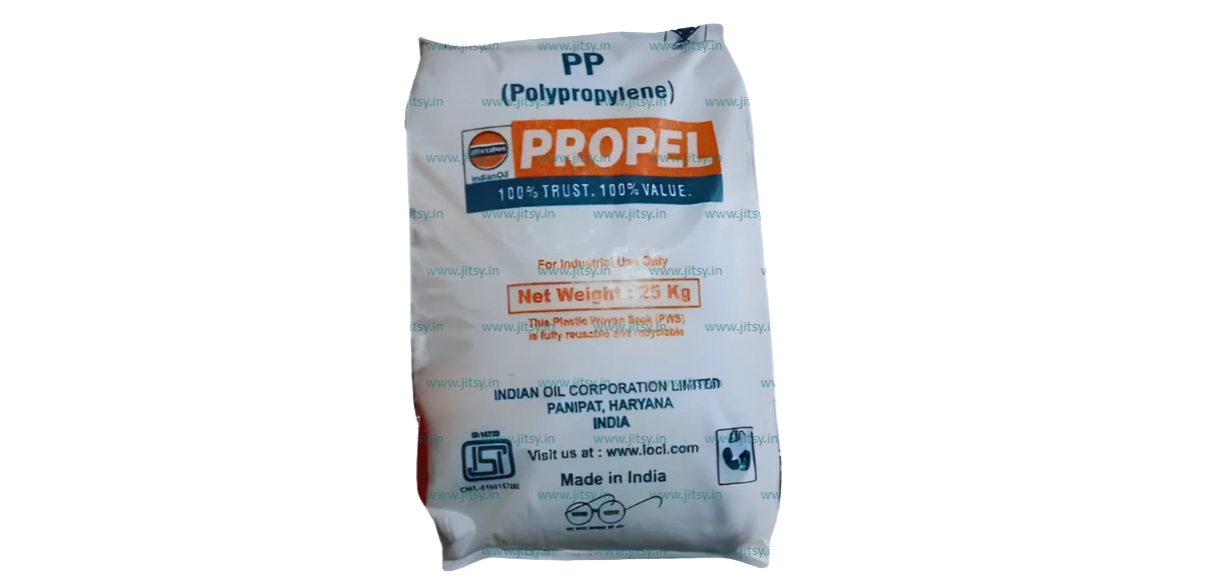
IOCL PP Propel P1500MG
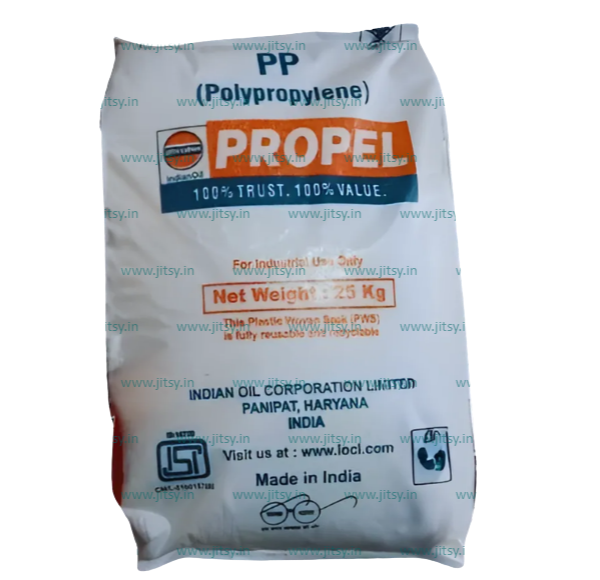
IOCL Propel PP P1500MG is a high-flow polypropylene homopolymer engineered by Indian Oil Corporation Limited (IOCL) specifically for high-speed injection molding applications. This natural-colored resin is produced using advanced Spheripol II Technology, ensuring excellent lot-to-lot consistency and reliable processing stability. Designed without an impact-copolymer rubber phase, this homopolymer grade delivers superior stiffness and exceptional flow performance, making it highly effective for complex molding operations where fast cycle times are critical.
As an independent third-party distributor, Jitsy supplies this premium industrial resin to help manufacturers optimize production throughput. The material is formulated to provide excellent cavity filling, reducing mechanical strain on molding equipment while maintaining high rigidity in finished plastic parts. It is an ideal raw material selection for thin-walled components and high-volume industrial manufacturing runs across India.
Technical Insights
- Ultra-High Melt Flow Index (MFI): Featuring an MFI of 48 gm/10 min (tested at 230°C/2.16 kg under ASTM D 1238), this grade provides exceptional melt flowability. This allows the polymer to fill intricate or thin-walled molds quickly, directly reducing cycle times and increasing machine productivity.
- Optimized Flexural Rigidity: With a flexural modulus of 1450 MPa (ASTM D 790), the material offers high structural stiffness. This structural rigidity allows manufacturers to down-gauge wall thickness in packaging applications without sacrificing the mechanical integrity of the final product.
- Balanced Tensile Performance: A tensile strength at yield of 35 MPa combined with a 12% elongation at yield (ASTM D 638) ensures that molded parts can withstand operational stresses. This balance provides reliable dimensional stability during automated post-molding handling and stacking.
- Thermal Properties and Processing: The resin features a heat deflection temperature of 105°C (ASTM D 648) and a Vicat softening point of 152°C (ASTM D 1525). It processes efficiently within a recommended temperature window of 170–220°C, ensuring clean thermal behavior during high-speed injection.
Applications
Thin-wall packaging represents the primary application for this high-flow grade. The high melt flow index allows the resin to fill narrow mold cavities uniformly, making it a reliable choice for manufacturing rigid food containers, disposable consumer packaging, and fast-moving consumer goods (FMCG) containers.
Multi-cavity injection molding setups benefit significantly from the material’s rapid flow properties. It ensures uniform melt distribution across complex, multi-cavity tools, minimizing short shots and balancing pressure drops during high-speed production cycles.
Industrial compounding processes utilize this homopolymer as an excellent foundational base resin. Its high flow and native stiffness make it highly compatible with mineral, talc, or glass-fiber reinforcements, allowing compounders to create customized, high-performance plastics.
Housewares and rigid consumer goods production leverage the material’s balanced stiffness and processing efficiency. It provides a clean, natural-colored finish and high structural rigidity for everyday household items, storage bins, and lightweight plastic utility products.
Comparable Alternatives
When evaluating comparable grades in the Indian market, buyers frequently look at high-flow polypropylene homopolymer injection molding options. While an exact manufacturer-certified equivalent is unverified without side-by-side datasheet cross-references, potential alternatives include generic high-flow PP homopolymer granules with similar MFI ranges from domestic producers like Reliance Industries (RIL) or alternative high-flow grades within the IOCL PROPEL family.
Before substituting materials, technical teams must carefully compare specific melt flow indices, differential shrinkage characteristics, tensile stiffness, impact strength values, and the exact molding window required by the machinery setup. Replacing P1500MG requires matching its unique combination of an MFI of 48 and its specific Spheripol II mechanical profile to avoid altering production cycle times.
Common Search Variants
Generic terms and frequent misspellings: Propel 1500MG, P1500 MG, P 1500MG, PP1500MG, propell 1500mg, PP homopolymer granules, high flow poly propylene.
Need Technical guidance?
Why buy IOCL PP Propel P1500MG from JITSY?
- Direct import & verified sourcing
- Authorised channel–led supply
- Pan-India B2B delivery
- Transparent pricing & documentation
- Mobile app–enabled procurement
- Full compliance (RoHS, BIS/ISI, EPR, GST)
- Batch traceability
FAQs
Frequently Asked Questions
What is PP Homopolymer P1500MG?
What are the primary applications for this specific PP grade?
What is the melt flow index (MFI) of IOCL Propel P1500MG?
What processing temperature is recommended for P1500MG?
How does this homopolymer grade compare to impact PP copolymers?
What are the specific storage requirements for these plastic granules?
Within what timeframe should the material be processed?
What Customers Say
You must be logged in to post a review.
Other Relevant Products Available in India
Related Articles
JITSY Microspheres Guide: Expandable vs Pre-Expanded — Which Format Suits Your Process?
Expandable microspheres are small hollow beads that have a thin shell made of plastic and contain a liquid core. The liquid vaporises, the bead expands and the shell expands

COA Is Not Enough: How JITSY Goes Beyond Certification in Polymer Sourcing
Expandable microspheres are small hollow beads that have a thin shell made of plastic and contain a liquid core. The liquid vaporises, the bead expands and the shell expands

JITSY EVA Grade Selector: What VA Content Actually Means for Your Product
Expandable microspheres are small hollow beads that have a thin shell made of plastic and contain a liquid core. The liquid vaporises, the bead expands and the shell expands
JITSY DCP Buyer’s Guide: How to Choose the Right Dicumyl Peroxide Grade
Expandable microspheres are small hollow beads that have a thin shell made of plastic and contain a liquid core. The liquid vaporises, the bead expands and the shell expands
Circular Economy & Recycling in the Plastic Raw Material Value Chain
Expandable microspheres are small hollow beads that have a thin shell made of plastic and contain a liquid core. The liquid vaporises, the bead expands and the shell expands

How EVA Foam Material Is Used in Footwear Manufacturing
Expandable microspheres are small hollow beads that have a thin shell made of plastic and contain a liquid core. The liquid vaporises, the bead expands and the shell expands
Complete Guide to EVA Materials: Grades, Applications & Selection Tips
Expandable microspheres are small hollow beads that have a thin shell made of plastic and contain a liquid core. The liquid vaporises, the bead expands and the shell expands

How EVA Improves Adhesion in Packaging and Assembly?
Expandable microspheres are small hollow beads that have a thin shell made of plastic and contain a liquid core. The liquid vaporises, the bead expands and the shell expands
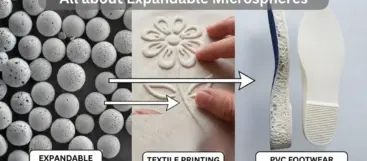
What Are Expandable Microspheres and How Are They Used in Textile Printing and PVC Footwear?
Expandable microspheres are small hollow beads that have a thin shell made of plastic and contain a liquid core. The liquid vaporises, the bead expands and the shell expands
How Small & Mid-Sized Manufacturers Can Compete Using Digital Procurement
Small and mid-sized manufacturers have never given up on competing. In the modern market, it is no longer sufficient to compete with the quality of the work and hard labour.
Why India Is Becoming a China+1 Option for Raw Material Sourcing
Businesses can no longer rely on a single nation. They currently diversify risk and seek partners who are stable. Meanwhile, the increased cost of labour in China.
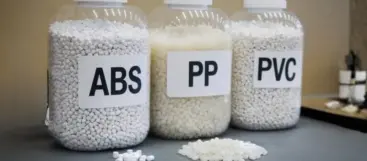
Choosing the Correct Polymer for Your Manufacturing Needs: ABS vs PP vs PVC
Confusion is common when manufacturers are considering ABS vs PP vs PVC. Different polymers are suitable for different applications, with specific pros and cons.
Top Procurement Mistakes Indian Manufacturers Make While Scaling
I have seen promising Indian manufacturers grow and then struggle during scaling. Often, success itself exposes operational cracks that were previously hidden.

Raw Materials Used in Toy Manufacturing: Safety, Compliance & Cost Factors
The materials used in toy manufacturing can impact the safety of children and the reputation of the company. There are multiple documented cases where improper material selection has led to recalls, litigation, and severe financial damage to toy manufacturers.
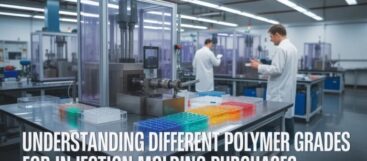
Choosing the Right Polymer Grades for Injection Molding
Purchasing the wrong polymer grade for injection molding can directly result in product failure, high rejection rates, or field performance issues. Different applications require vastly different material characteristics.

How Digital Procurement Platforms Reduce Raw Material Fraud
Raw material fraud is a frequent issue in conventional procurement. It usually happens due to the lack of supplier verification, the absence of records, and low levels of transparency. In manual systems, it is hard and time-consuming to keep track of materials.

Reviews
Clear filtersThere are no reviews yet.