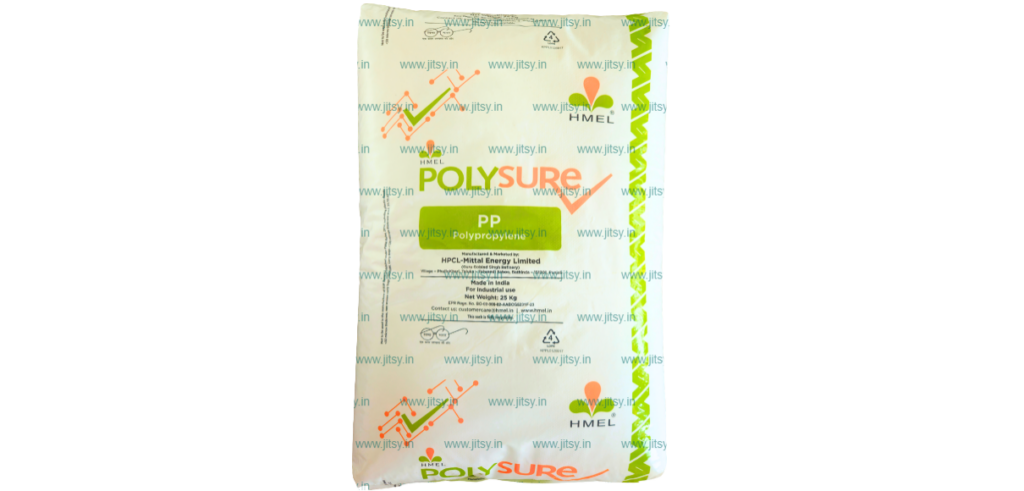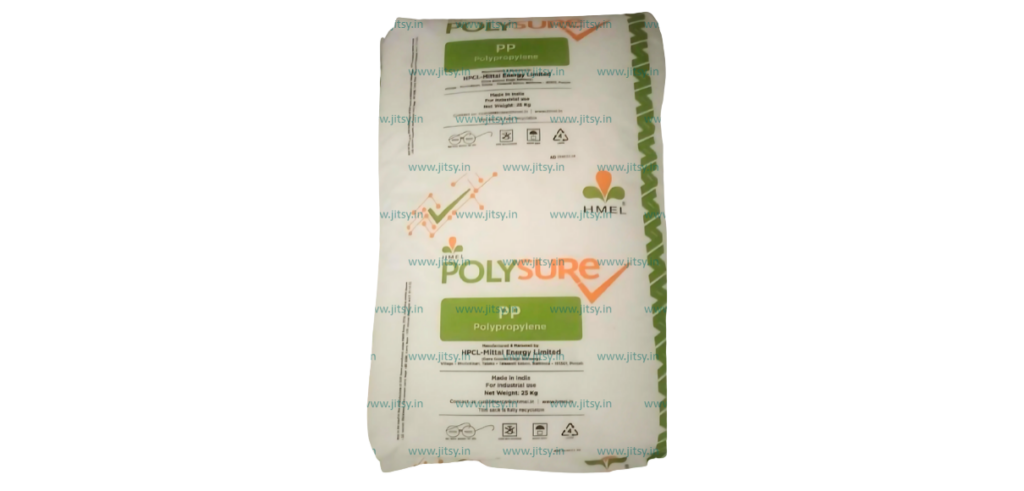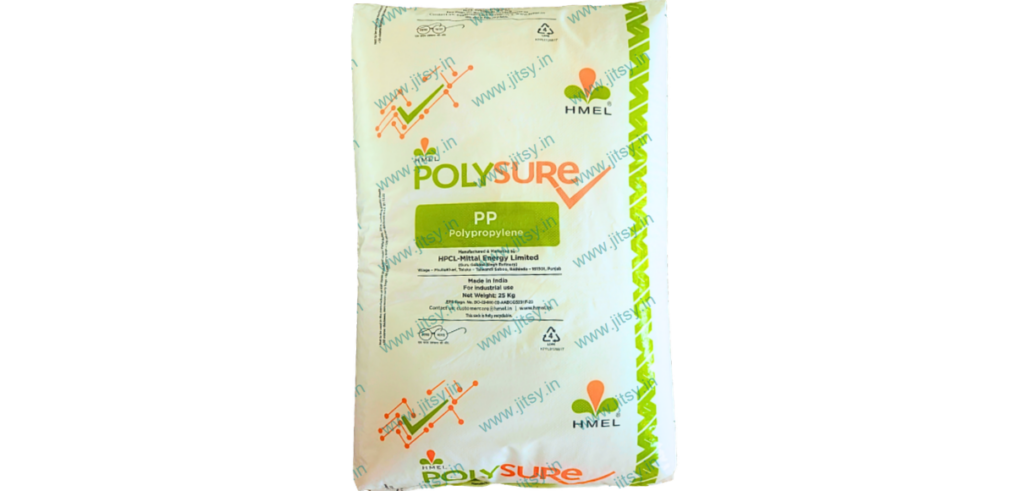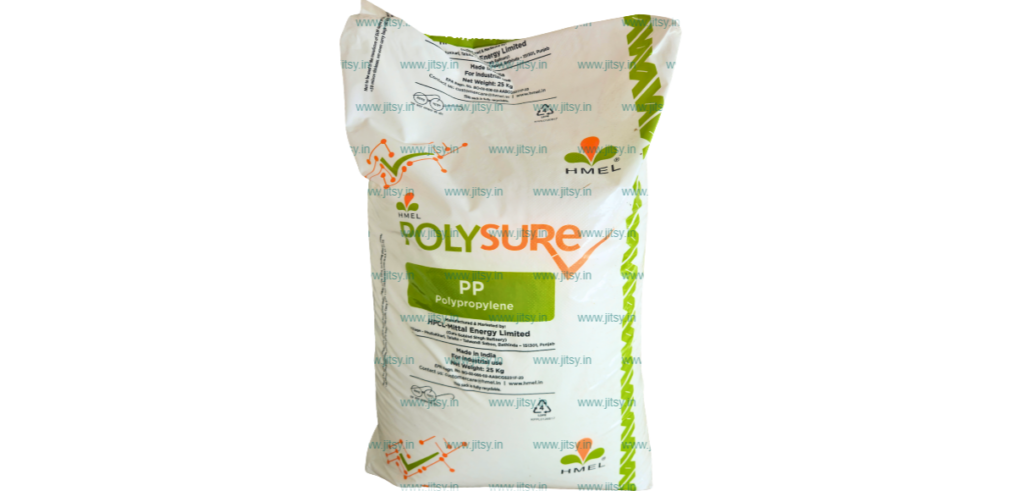
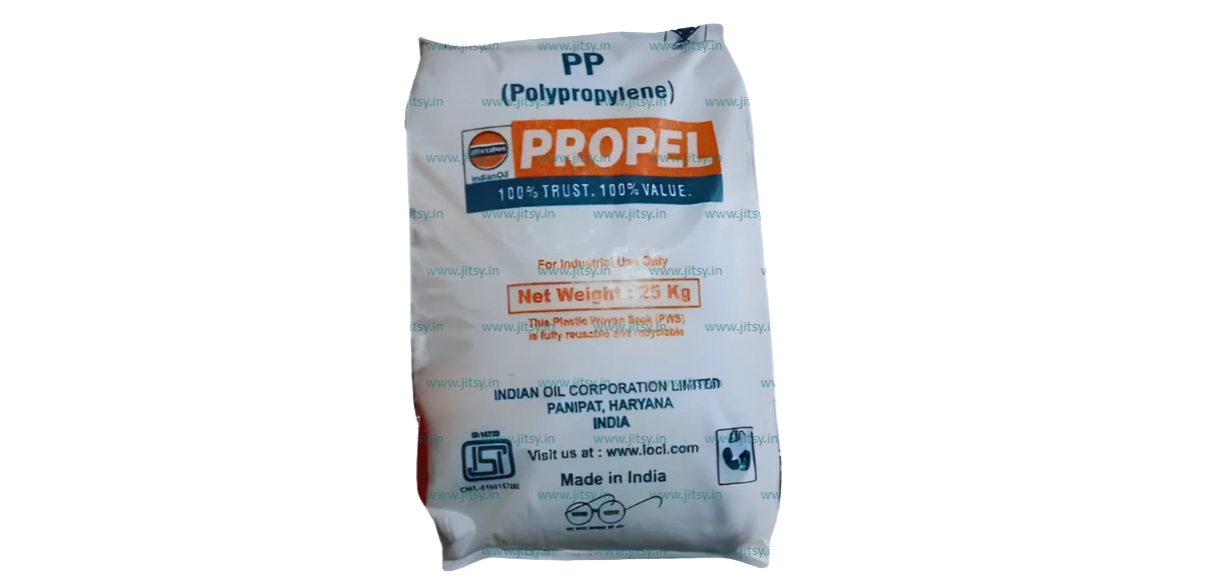
IOCL PP Propel P1600MN

IOCL PP Propel P1600MN is a prime, virgin polypropylene homopolymer resin from Indian Oil Corporation Ltd’s high-performance PROPEL petrochemical portfolio. Synthesized utilizing advanced Spheripol II technology, this natural-colored material features high isotacticity and an extremely uniform structural makeup. This exact molecular arrangement provides high polymer crystallinity, yielding finished components with predictable mechanical limits and dependable structural integrity during fast fabrication cycles.

Technical directors and injection moulding plant managers specify this grade due to its high flow kinetics and excellent thermal stability. The chemical formulation contains an optimized melt processability package that limits thermal fracturing and prevents polymer pooling at the die. This design allows operators to maximize moulding throughput speeds while minimizing line blockages, leading to uniform wall distribution across large production runs.

Technical Specifications of P1600MN

Resin and Rheological Properties

  • Melt Flow Index (MFI): 60.0 g/10 min (Tested via ASTM D1238 at 230°C with a 2.16 kg load). An elevated flow index of 60 indicates exceptionally low melt viscosity under dynamic pressure. This high fluid mobility allows the polymer to pass easily through complex, narrow gates, making it ideal for thin-walled part formation.
  • Density: Unverified for this specific grade in current documentation; standard homopolymer variations generally mirror 0.90 g/cm³ when measured using official ASTM D1505 protocols.

Mechanical and Impact Properties

  • Tensile Strength at Yield: 37 MPa (Tested via ASTM D638 at 50 mm/min). This rating indicates the material has high resistance to stretching. It enables thin structural walls to endure significant ejection tensions without experiencing structural thinning or part failures.
  • Flexural Modulus: 1700 MPa (Tested via ASTM D790 at 1.3 mm/min). This high stiffness level provides robust structural integrity while maintaining lightweight properties, helping ultra-thin containers resist collapsing under stacking loads.
  • Elongation at Yield: 10% (Tested via ASTM D638 at 50 mm/min). This performance parameter ensures that the cooling molded parts maintain enough elastic flex to adapt to sudden mechanical ejection movements, preventing part tears.
  • Notched Izod Impact Strength: 27 J/m (Tested via ASTM D256 at 23°C). This toughness value ensures that finished thin-walled products can withstand dynamic handling pressures during stacking, packing, and automated filling.

Thermal Properties

  • Heat Deflection Temperature (HDT): 105°C (Tested via ASTM D648 at 0.46 N/mm²). This structural metric confirms that the molded plastic network maintains its shape in hot storage setups or under thermal processing conditions up to 105°C.
  • Vicat Softening Point: 150°C (Tested via ASTM D1525 under a 10 N load). This broad thermal parameter provides a reliable welding window, allowing for clean thermofusion or heat-sealing without melting the core structural walls.

Applications and Use Cases

Thin-Walled Injection Moulding (TWIM) Container Production

This material is explicitly designed for high-capacity thin-walled injection moulding manufacturing lines. Its low melt viscosity ensures a steady, pulse-free feed through the hot runner system, allowing the extruded melt to fill thin-walled cavities completely before cooling. The resulting containers provide uniform density and excellent coverage, making them ideal for food packaging, protective cases, and disposable food trays.

Multicavity Moulding and Packaging Components

Industrial moulders specify this polymer to produce high-volume multicavity products such as lids, caps, and closures used in consumer goods. The high melt flow index of 60 allows for clean filling across complex, multi-gate tools without creating high backpressure or flash lines. This uniform cavity filling yields sharp, high-definition parts suitable for media packaging, container lids, and lightweight compounding base applications.

Processing and Handling Guidelines

Stated Processing Temperature Windows

The manufacturer-stated processing temperature window for this high-flow grade is set between 170°C and 220°C. Maintaining the extrusion barrel within this thermal range ensures complete melting and uniform viscosity, while fully protecting the polymer from premature thermal oxidation.

Storage and Handling

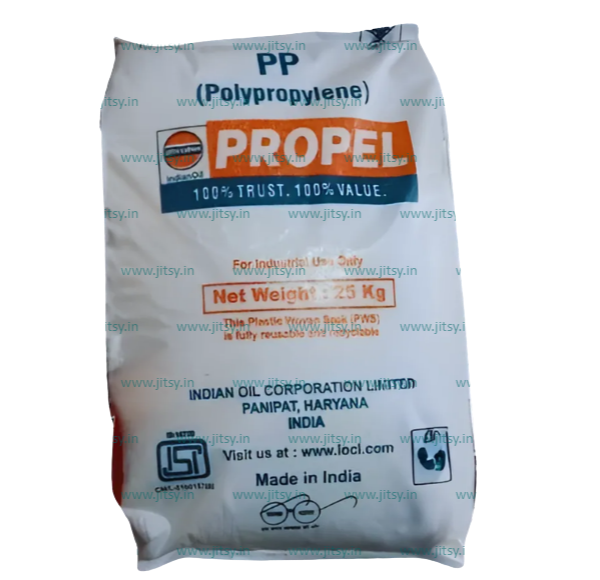
The material is distributed in heavy-duty raffia bags. To preserve the resin’s properties, store the bags indoors within a dry, dust-free warehouse where ambient temperatures do not exceed 50°C. Protect the pallets from direct sunlight and heat, and process the inventory within 6 months of delivery to ensure optimal moulding performance.

Compliance, Safety, and Regulatory Information

Food-Contact Compliance and Standards

The chemical composition of this homopolymer grade meets the non-toxic plastics criteria defined in Indian Standards IS 10910 and IS 10909. It also complies with the international parameters regulated by US FDA CFR Title 21 177.1520. This formal compliance ensures that containers produced from this resin are safe for direct food contact, takeaway packaging, and personal care products.

 Comparable Grades in India

  • IOCL 1400MN: A high-flow injection moulding grade designed for thinner-wall applications. It offers a close match for similar use cases, though exact manufacturer equivalence must be verified per tool configuration.
  • IOCL 1110MG / 1110MAS: High-flow moulding grades designed for standard injection setups. They are not equivalent because they do not offer the aggressive flow rates required for rapid thin-wall cavity filling.
  • IOCL 1200MG: A general-purpose injection moulding grade. It lacks the ultra-high flow characteristics of P1600MN, making it less suitable for reducing cycle times in fast TWIM systems.
  • Alternative Domestic Suppliers: Other Indian polymer producers manufacture alternative high-flow homopolymers for thin-walled parts. While these substitutes offer similar performance, processing teams should verify mold shrinkage and cycle times before changing feeds.

Generic Terms and Frequent Misspellings

Industrial sourcing buyers search for this grade using terms like PP H P1600MN, PP moulding P1600MN, P1600MN PP, and P1600 MN PP. Common typographical variations found in supply databases include 1600mn, 1600-mn, p1600mn, and pp 1600m n.

CAS Number

HSN Code

Need Technical guidance?

Access free official copy of Technical Data Sheet published by Manufacturer

Why buy IOCL PP Propel P1600MN from JITSY?

  • Direct import & verified sourcing
  • Authorised channel–led supply
  • Pan-India B2B delivery
  • Transparent pricing & documentation
  • Mobile app–enabled procurement
  • Full compliance (RoHS, BIS/ISI, EPR, GST)
  • Batch traceability

FAQs

Frequently Asked Questions

What is the primary difference between the P1600MN and 1400MN polymer grades?
The P1600MN grade features a higher MFI of 60, which is optimized for ultra-thin wall tools and maximum cycle time reduction. The 1400MN grade also targets high flow needs but operates at a slightly lower flow scale depending on specific tooling requirements.
An MFI of 60 provides low viscosity and rapid flow under pressure, allowing the polymer melt to fill large, shallow cavities before solidifying. This fluid behavior ensures complete filling of thin sections and prevents frozen-in stresses or short shots.
No, it is formulated for thin-walled packaging and multicavity consumer goods. Heavy parts requiring thick walls should use lower-flow grades to avoid sink marks and ensure sufficient impact strength across deep cross-sections.
Yes, it complies with Indian Standards IS 10910 and IS 10909, alongside US FDA CFR Title 21 177.1520 regulations. This makes it fully certified for multi-compartment lunchboxes, container lids, and food trays.
Dropping below 170°C can cause incomplete melting of the homopolymer crystals, leading to high melt viscosity. This can result in increased gate pressure, uneven wall thickness, and visual defects like unmelted spots in thin walls.
No, it is a highly structural homopolymer grade focused on flow and stiffness balance. For high-clarity or slippery lid requirements, secondary additives or specialized clarified random copolymer alternatives should be evaluated.
This raw polymer resin is shipped in heavy-duty, moisture-resistant raffia bags that prevent contamination. Every bag contains a certified net material weight of exactly 25.0 kg.

What Customers Say

0 reviews
0
0
0
0
0

There are no reviews yet.

Be the first to review “IOCL PP Propel P1600MN”

Related Articles