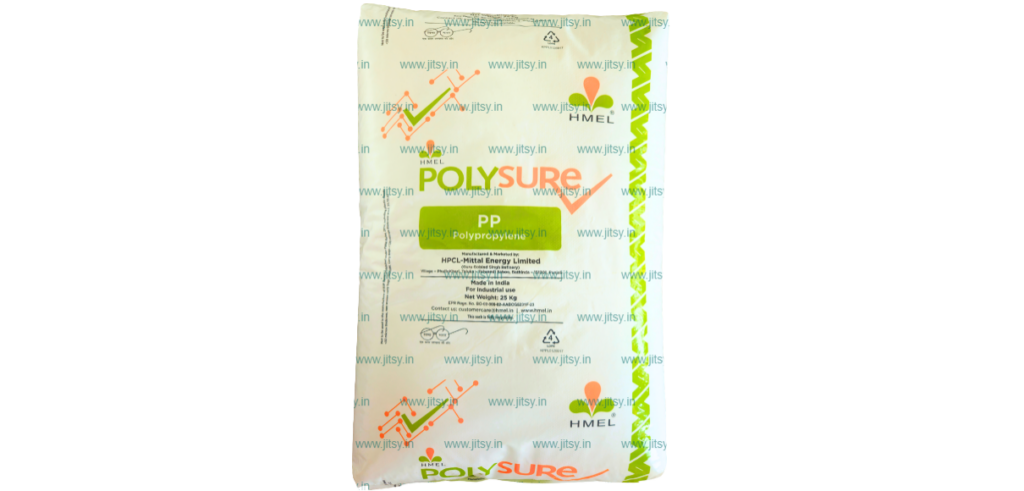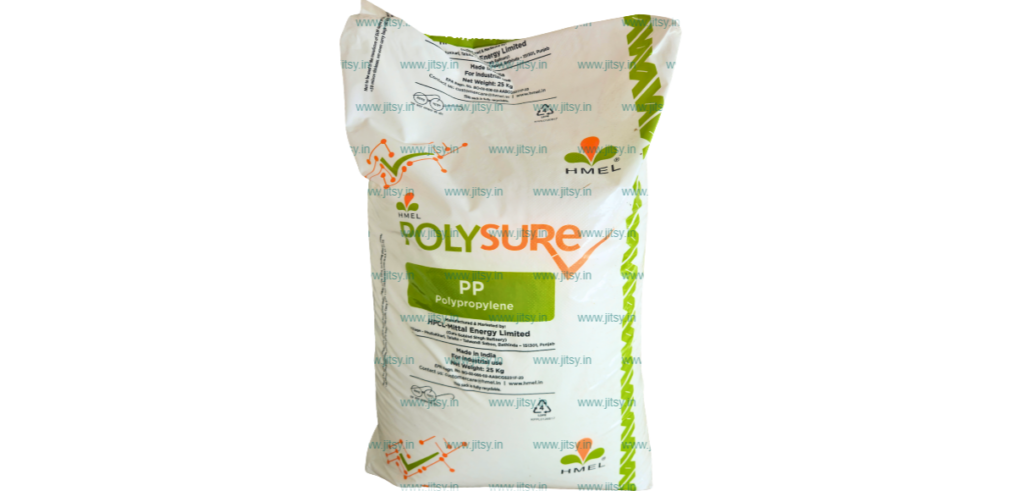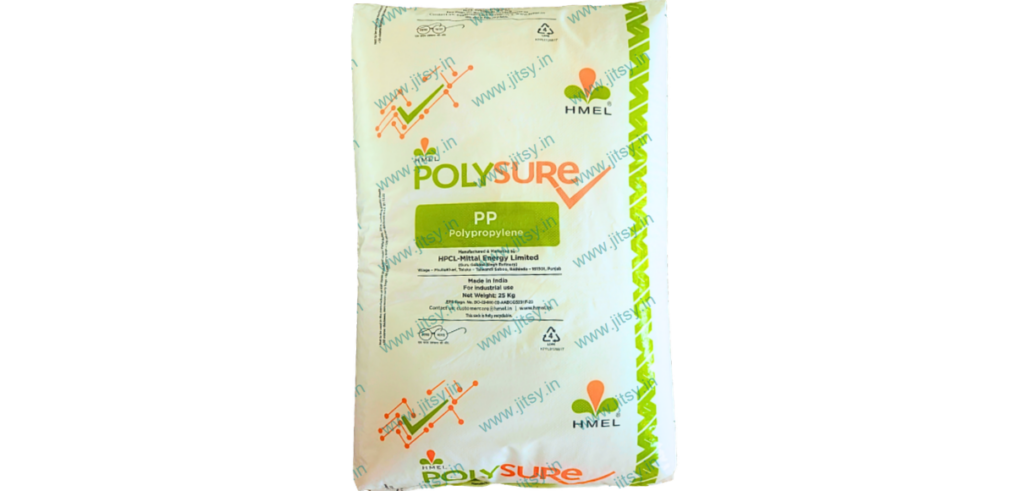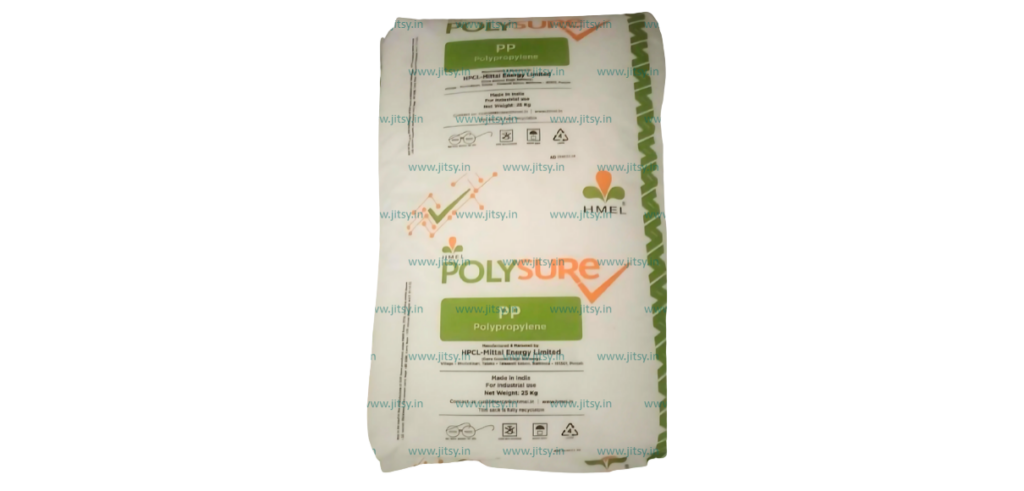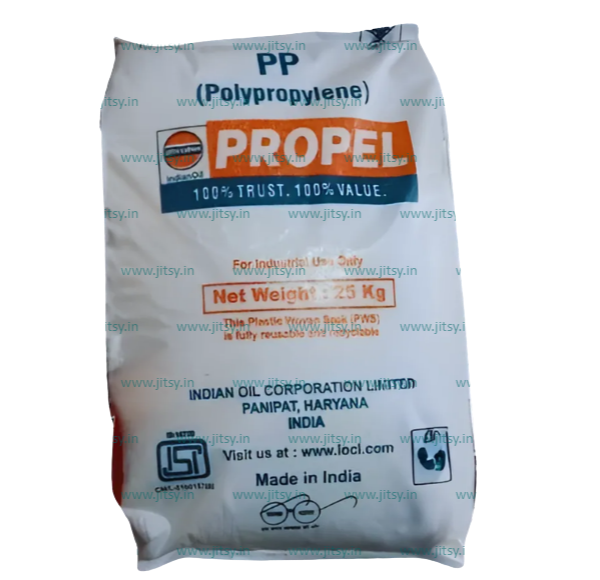
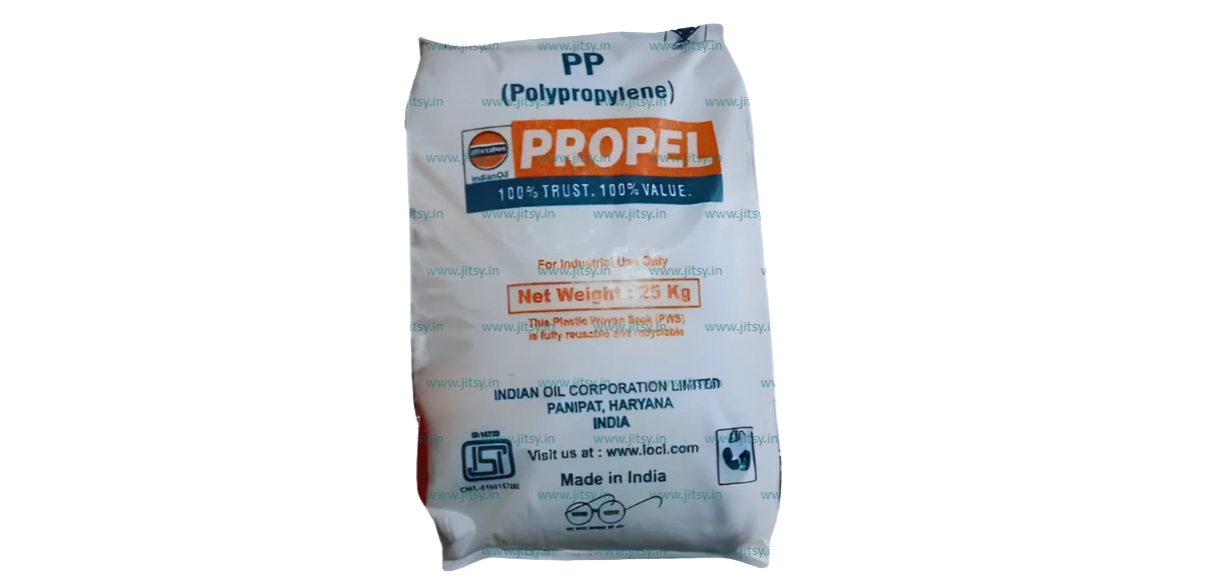
IOCL PP Propel P1030TC

IOCL PP Propel P1030TC is a virgin polypropylene homopolymer resin from Indian Oil Corporation Ltd’s PROPEL petrochemical line. Produced using advanced Spheripol II technology, this natural-colored material possesses a clean molecular design with high isotacticity. This specialized polymer structure yields high crystallinity, providing the extruded plastic sheets with predictable cooling patterns, reliable geometric uniformity, and exceptional structural stability during subsequent reheating and negative-pressure forming steps.

Technical engineers and food packaging converters select this grade due to its excellent melt strength and high structural rigidity. The chemical formulation contains a processing package specifically balanced to mitigate sag when plastic sheets are suspended in thermoforming heating ovens. This specific property helps operators minimize wall thinning and avoid web tears, making it possible to achieve uniform material distribution even across complex, deep-draw mold cavities.

Technical Specifications of P1030TC

Resin and Rheological Properties

  • Melt Flow Index (MFI): Unverified for this specific grade in early documentation; typical thermoforming variations operate at a lower flow scale to maintain sufficient melt strength during sheet hanging.
  • Density: Unverified for this specific grade in current documentation; standard homopolymer variations generally mirror 0.90 g/cm³ when measured using official ASTM D1505 protocols.

Mechanical and Impact Properties

  • Flexural Modulus: 1600 MPa (Tested via ASTM D790 at 1.3 mm/min). This high stiffness value indicates excellent resistance to bending forces under mechanical load. It allows thin-walled thermoformed trays and container lids to resist buckling, deformities, or collapsing during automated high-stack storage.
  • Notched Izod Impact Strength: 45 J/m (Tested via ASTM D256 at 23°C). This impact rating ensures that the final rigid packaging retains an ideal balance of toughness. This level of impact resistance prevents the plastic from micro-cracking or fracturing along sharp corners during high-speed die-cutting, trimming, and subsequent commercial transit.
  • Tensile Parameters: Unverified for this specific grade in current provisional documentation.

Thermal and Processing Properties

  • Thermal Deflection Values: Unverified for this specific grade in current provisional documentation.
  • Stated Processing Temperatures: Unverified for this specific grade; standard homopolymer configurations typically run on processing profiles between 190°C and 240°C depending on sheet extrusion line configurations.

Applications and Use Cases

Sheet Extrusion and Rigid Thermoformed Packaging

This material is specifically designed for high-capacity sheet extrusion lines that feed directly or indirectly into thermoforming units. Its optimal melt stability ensures an exceptionally flat, low-stress plastic sheet matrix with minimal gauge variation across the die width. The resulting extruded sheets provide a reliable foundation for producing rigid food packaging, shallow takeaway trays, and display containers that require consistent wall thicknesses.

Formed Consumer Trays and Container Lids

Industrial packaging plants specify this polymer to form high-volume consumer trays, lids, and structural blister packs. The material’s mechanical balance of 1600 MPa flexural modulus allows for thin-gauge down-gauging without sacrificing the ultimate load-bearing capability of the finished lid or tray. This feature yields crisp, high-definition contours along corners, which ensures secure lid-snapping mechanisms and clean flange trimming during automated packing runs.

Processing and Handling Guidelines

Sheet Extrusion and Forming Parameters

While precise temperature profiles remain unverified until the final technical datasheet is released, industrial processing parameters for thermoforming-grade homopolymers require strict barrel heat management. Maintaining steady melt pressures prevents localized overheating and eliminates micro-voids, ensuring the raw extruded sheet maintains structural integrity before entering the forming tool.

Storage and Handling

The packaging configuration for this grade is currently unverified in provisional data sheets, though standard primary resins ship in industrial bags. To preserve the properties of the raw polymer, store the lot indoors within a dry, dust-free warehouse away from direct sunlight, moisture, and high heat. Keep temperatures below 50°C and process the inventory within the standard window to avoid surface oxidation.

Food-Contact Compliance and Standards

The core formulation of this homopolymer resin is engineered to meet the strict non-toxic material regulations required for commercial food containment. It aligns with Indian Standards IS 10910 and IS 10909, along with international guidelines set under US FDA CFR Title 21 177.1520, verifying its safety for single-use containers, produce trays, and direct-contact dairy packaging.

Comparable Grades in India

  • IOCL 1060MG: A general-purpose injection and extrusion grade. It lacks the specific melt strength and low-sag attributes required for large-scale thermoforming sheet suspension.
  • IOCL 1110MG / 1110MAS: High-flow injection moulding grades. These are non-equivalent due to their high flow rates, which cause sheets to sag and tear if used on standard thermoforming equipment.
  • IOCL 1030FG: A specialized BOPP film-grade resin. It is engineered for biaxial film stretching and is entirely unsuitable for thick sheet extrusion or rigid tray forming.
  • Alternative Domestic Suppliers: Other domestic polyolefin manufacturers offer alternative thermoforming-grade homopolymers. While these alternatives target similar specifications, conversion parameters and trimming behaviors must be validated on-site before changing bulk resin feeds.

Common Search Variants and Frequent Misspellings

Industrial sourcing teams search for this product using phrases such as PP H P1030TC, PP thermoforming P1030TC, P1030TC PP, and P1030 TC PP granules. Common typographical mistakes in supply logs include 1030tc, 1030-tc, p1030tc, and pp 1030t c.

CAS Number

HSN Code

Need Technical guidance?

Access free official copy of Technical Data Sheet published by Manufacturer

Why buy IOCL PP Propel P1030TC from JITSY?

  • Direct import & verified sourcing
  • Authorised channel–led supply
  • Pan-India B2B delivery
  • Transparent pricing & documentation
  • Mobile app–enabled procurement
  • Full compliance (RoHS, BIS/ISI, EPR, GST)
  • Batch traceability

FAQs

Frequently Asked Questions

What makes IOCL PP Propel P1030TC better for thermoforming than standard injection grades?
P1030TC provides enhanced melt strength, which prevents the extruded sheet from sagging excessively when reheated in thermoforming ovens. Injection-moulding grades flow too freely when heated, causing uneven wall thinning or web blowouts during the vacuum forming phase.
Yes, its balanced mechanical properties and high melt stability enable the material to stretch uniformly into deep mold profiles. This uniform stretching performance helps maintain reliable wall thickness along the bottom edges and corners of deep-draw containers.
As a polypropylene homopolymer, it exhibits high heat resistance, allowing it to withstand standard microwave warming temperatures. However, processing teams must test the final molded tray configuration to ensure compliance with actual heating and structural safety limits.
A flexural modulus of 1600 MPa gives the molded part high structural rigidity and stiffness. This mechanical strength allows manufacturers to reduce wall thicknesses while ensuring that stacked trays or container lids resist crushing under heavy loads.
Polypropylene homopolymers are inherently hydrophobic and do not absorb moisture internally like hygroscopic engineering plastics. Pre-drying is generally unnecessary unless the granules have been exposed to external condensation or damp warehouse environments during storage.
Yes, clean production regrind from trim margins can typically be blended back into virgin P1030TC resin on sheet extrusion lines. Moulders must monitor the blend ratio closely, as excessive regrind can reduce melt strength and affect forming consistency.
An impact strength of 45 J/m ensures that thermoformed trays do not crack or shatter during high-speed mechanical trimming. This added toughness also protects the finished packaging from splitting when handled roughly during cold-chain shipping or automated stacking.

What Customers Say

0 reviews
0
0
0
0
0

There are no reviews yet.

Be the first to review “IOCL PP Propel P1030TC”

Related Articles