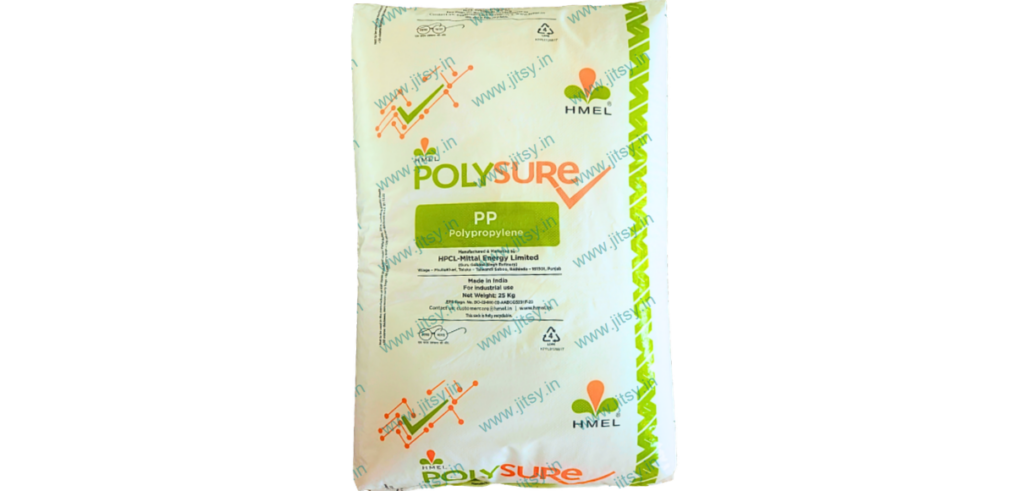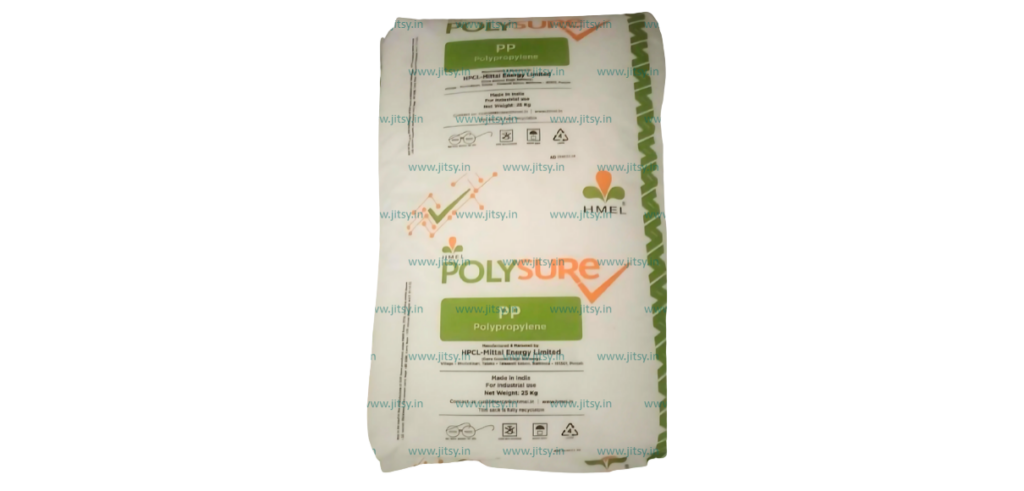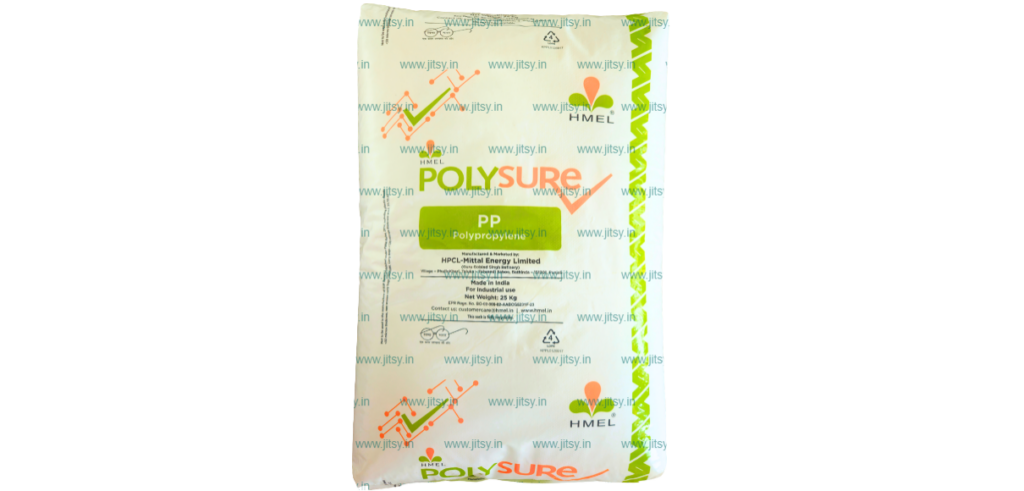
IOCL PP Propel 1350YH

IOCL PP Propel 1350YH is a prime, virgin polypropylene homopolymer resin belonging to the specialized PROPEL petrochemical portfolio by Indian Oil Corporation Ltd. Synthesized via state-of-the-art Spheripol II technology, this natural-colored material features a highly controlled isotactic molecular structure. This crystalline design ensures predictable cooling rates, high thermal stability, and exceptional uniformity during rapid melt-spinning processes.

Technical directors and nonwoven manufacturing plant managers select this grade primarily for its high melt flow rate and excellent processability. The formulation includes an integrated, optimum process stabilizer package designed to protect the polymer matrix from thermal degradation under extreme shear forces. This stabilizer configuration minimizes filament breaks, prevents die lip buildup, and ensures uninterrupted operation on modern, high-speed fiber lines.

Technical Specifications of 1350YH

Resin and Rheological Properties

  • Melt Flow Index (MFI): 35.0 g/10 min (Tested via ASTM D1238 under 230°C and 2.16 kg conditions). A 35 MFI indicates a low melt viscosity, allowing the molten polymer to distribute evenly through dense spinneret holes without creating excessive backpressure in the extruder barrel.
  • Density: Unverified for this specific grade in current documentation; standard homopolymers typically mirror 0.90 g/cm³ when measured using official ASTM D1505 protocols.

Mechanical and Impact Properties

  • Tensile Strength at Yield: 36.0 MPa (Tested via ASTM D638 at a crosshead speed of 50 mm/min). This high yield rating provides the necessary mechanical strength to withstand intense high-velocity air attenuation or mechanical drawing forces without snapping.
  • Elongation at Yield: 11.0% (Tested via ASTM D638 at 50 mm/min). This performance value indicates an optimal structural balance, allowing the polymer to stretch uniformly into fine denier filaments while maintaining mechanical toughness.
  • Flexural Modulus: 1200 MPa (Tested via ASTM D790 at 1.3 mm/min). This tailored stiffness ensures that the converted nonwoven webs possess ideal fabric hand, structural drape, and resistance to deformation.
  • Notched Izod Impact Strength: 20 J/m (Tested via ASTM D256 at 23°C). This value guarantees that the extruded filaments retain sufficient baseline toughness to resist micro-cracking during subsequent mechanical bonding or web-slitting operations.

Thermal and Processing Properties

  • Heat Deflection Temperature (HDT): 85°C (Tested via ASTM D648 at 0.46 N/mm²). This thermal property ensures that the spun filaments resist structural distortion or premature softening under the heat generated during rapid commercial downstream processing.
  • Vicat Softening Point: 150°C (Tested via ASTM D1525 under a 10 N load). A high softening point allows the finished nonwoven fabrics or multifilament yarns to safely undergo hot calender bonding or thermal lamination cycles.

Applications and Use Cases

Spunbond Nonwoven Fabric Production

This material is engineered for high-throughput spunbond nonwoven manufacturing lines. The combination of a high 35 MFI and an optimum process stabilizer package allows for smooth, continuous extrusion through multi-hole spinneret dies to form uniform filament webs. This process yields reliable high-coverage nonwoven fabrics, which are heavily used in the hygiene, medical, and agricultural sectors for products like face masks, protective surgical gowns, and crop covers.

Fine Denier Multifilament Yarn Spinning

Textile manufacturers specify this homopolymer for the high-speed spinning of fine denier multifilament yarns. The low melt viscosity under high shear prevents polymer pulsing at the die exit, allowing air attenuation systems to draw the molten streams into ultra-fine filaments. These high-strength yarns are subsequently knitted or woven into specialized industrial sewing threads, technical narrow fabrics, and upholstery textiles.

Processing and Handling Guidelines

Stated Processing Temperature Windows

The manufacturer-stated processing temperature window for this grade is between 170°C and 230°C. Operating within this thermal profile ensures proper polymer melting and consistent viscosity, allowing high-speed lines to run smoothly while protecting the stabilized homopolymer from localized thermal oxidation.

Storage and Handling

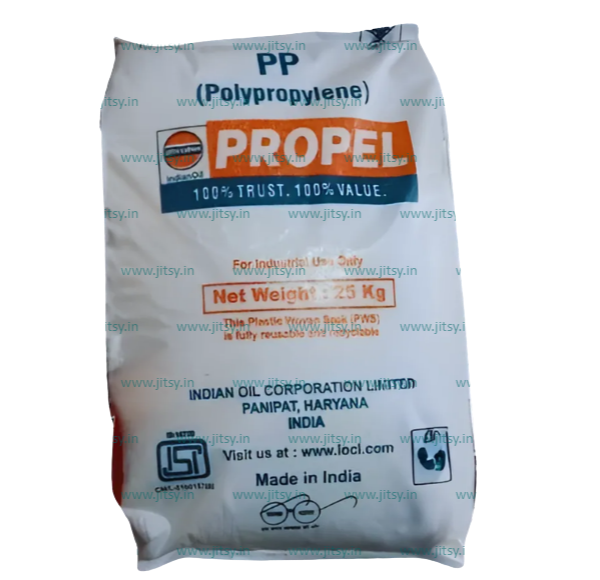
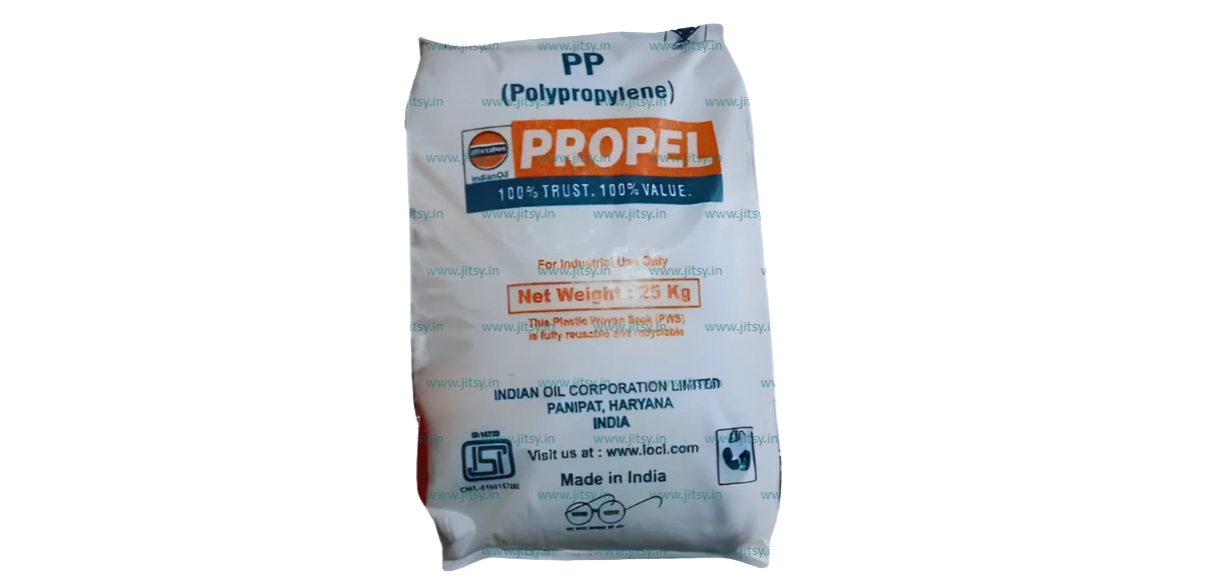
This material is packed and distributed in raffia bags with a strict net content of 25.0 kg only. To maintain the initial property profile of the resin, store the bags indoors within a dry, dust-free warehouse sheltered from direct heat and sunlight. Ambient storage temperatures must not exceed 50°C, and conversion teams should process the granules within 6 months of delivery to prevent surface aging or additive migration.

Compliance, Safety, and Regulatory Information

The chemical formulation of this homopolymer resin is engineered to align with strict non-toxic safety parameters for food-contact and personal hygiene products. It complies with Indian Standards IS 10910 and IS 10909, alongside international guidelines outlined under US FDA CFR Title 21 177.1520, making it fully certified for direct-contact consumer articles, medical apparel, and sanitary single-use fabrics.

Comparable Grades in India

  • IOCL 1350YG: An adjacent high-flow fiber and nonwoven grade. It targets a highly similar application profile, though conversion teams must verify localized datasheet differences as manufacturer equivalence is not officially confirmed.
  • IOCL 1200YG: A dedicated homopolymer grade for multifilament yarn spinning. It features a lower melt flow design, making it better suited for heavier denier industrial yarns than ultra-lightweight spunbond webs.
  • IOCL 1030RG: A structural raffia-grade resin. Formulated for flat tape extrusion and mechanical weaving, it lacks the high flow and stabilizer profile required for multi-hole fiber spinnerets.
  • Alternative Domestic Suppliers: Other domestic polyolefin producers offer alternative 35 MFI homopolymers for nonwovens. While these substitutes target similar parameters, melt drawability and thermal calender settings must be evaluated before switching primary bulk feeds.

Common Search Variants and Frequent Misspellings

Industrial buyers search for this resin using terms like PP H P1350YH, PP fiber P1350YH, P1350YH PP, and P1350 YH PP granules. Common typographical errors found in digital inventory logs include 1350yh, 1350-yh, p1350yh, and pp 1350y h.

CAS Number

HSN Code

Need Technical guidance?

Access free official copy of Technical Data Sheet published by Manufacturer

Why buy IOCL PP Propel 1350YH from JITSY?

  • Direct import & verified sourcing
  • Authorised channel–led supply
  • Pan-India B2B delivery
  • Transparent pricing & documentation
  • Mobile app–enabled procurement
  • Full compliance (RoHS, BIS/ISI, EPR, GST)
  • Batch traceability

FAQs

Frequently Asked Questions

What is the primary benefit of the 35 MFI rating in IOCL PP Propel 1350YH?
The 35 MFI rating indicates a high melt flow rate that lowers melt viscosity inside the extruder. This allows the polymer to pass smoothly through dense spinneret micro-holes at high speeds without generating excessive backpressure.
The stabilizer package prevents thermal degradation and molecular chain breakdown when the resin is exposed to high shear and heat. This reduces polymer pulsing, eliminates die lip buildup, and prevents filament snapping during high-speed spinning.
Yes, this grade complies with Indian Standards IS 10910 and IS 10909, as well as US FDA CFR Title 21 177.1520. This certifies its safety for medical and hygiene products like surgical masks, protective gowns, and sanitary liners.
Raffia production requires a much lower melt flow index to allow the extruded film to be slit and stretched into flat, high-strength tapes. The high flow of 1350YH would cause the melt to sag, resulting in weak tape structures.
Exceeding 50°C can accelerate the migration of the stabilizer package to the granule surfaces and cause localized oxidation. This degradation can lead to uneven flow, frequent fiber breakages, and discoloration during extrusion.
A high softening point of 150°C ensures the extruded filaments maintain structural integrity during hot calender bonding or lamination. This allows the nonwoven fabric to form strong thermal bonds without melting into a solid sheet.
Polypropylene homopolymers are naturally hydrophobic and do not absorb internal moisture like nylon or polyester. Pre-drying is unnecessary unless the granules have been exposed to high humidity, causing surface condensation.

What Customers Say

0 reviews
0
0
0
0
0

There are no reviews yet.

Be the first to review “IOCL PP Propel 1350YH”

Related Articles