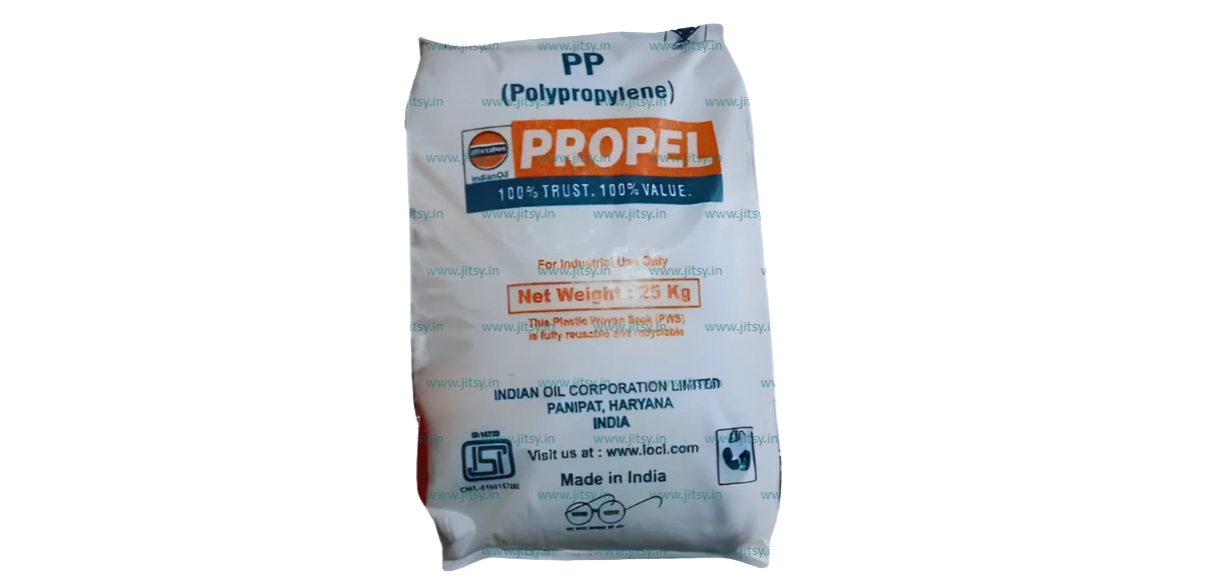
IOCL PP Propel 1200YG

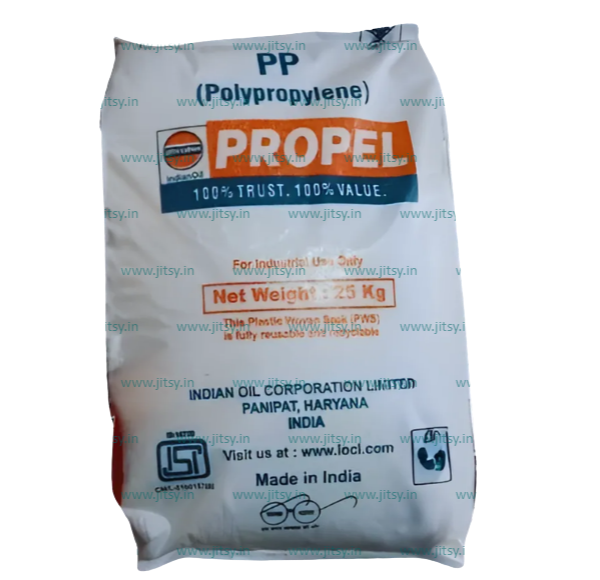
IOCL PP Propel 1200YG is a prime, virgin polypropylene homopolymer resin from Indian Oil Corporation Ltd’s advanced PROPEL polymer line. Produced using the industry-standard Spheripol II technology, this natural-colored thermoplastic material is characterized by its precise molecular weight distribution and excellent chemical purity. The underlying homopolymer matrix provides high crystallinity, which serves as the essential baseline for developing high-tenacity industrial fiber structures.

Textile engineers and fiber extruders select this specific grade because it contains a custom-engineered, optimum process stabilizer package. This chemical additive package prevents thermal degradation and molecular scissoring when the polymer is subjected to severe shear stress inside the die. Consequently, processing plants can maintain unbroken melt integrity during high-speed drawing, resulting in excellent processability and fewer broken filaments on the spinning line.

Technical Specifications of 1200YG

Resin and Rheological Properties

  • Melt Flow Index (MFI): 20.0 g/10 min (Tested via ASTM D1238 at 230°C with a 2.16 kg load). A high melt flow rate of 20 ensures a highly fluid melt that moves rapidly through fine spinneret orifices. This low melt viscosity reduces motor load on the extruder while preventing erratic pressure spikes during high-output production runs.
  • Density: Unverified for this specific grade in current documentation; standard homopolymer grades typically mirror 0.90 g/cm³ when evaluated under standard ASTM D1505 methods.

Mechanical and Impact Properties

  • Tensile Strength at Yield: 34 MPa (Tested via ASTM D638 at 50 mm/min). This performance indicator highlights the material’s strong structural resistance to stretching. It enables extruded strands to withstand aggressive mechanical pull without premature thinning or snapping during downstream drawing phases.
  • Flexural Modulus: 1600 MPa (Tested via ASTM D790 at 1.3 mm/min). This stiffness rating gives finished synthetic fibers excellent structural body and recovery characteristics. It helps nonwoven fabrics maintain their shape and resist collapsing under mechanical load.
  • Elongation at Yield: 11% (Tested via ASTM D638 at 50 mm/min). This optimized ductility gives the cooling filaments just enough flexible stretch to absorb rapid tension changes on the winding reels, preventing micro-tears.
  • Notched Izod Impact Strength: 25 J/m (Tested via ASTM D256 at 23°C). This toughness metric ensures that the solidified filaments can survive high-impact downstream processes, such as staple fiber crimping, cutting, and baling.

Thermal Properties

  • Heat Deflection Temperature (HDT): 95°C (Tested via ASTM D648 at 0.46 N/mm²). This thermal property confirms that the resulting fiber networks remain physically stable and resist heat distortion when exposed to hot industrial environments or secondary thermal bonding processes.
  • Vicat Softening Point: 155°C (Tested via ASTM D1525 under a 10 N load). This broad thermal boundary provides an expansive processing and texturizing window, allowing for efficient hot-air or calender bonding without compromising the core fiber filaments.

Applications and Use Cases

Multifilament Yarn Extrusion

This resin is primarily selected for high-speed multifilament yarn spinning lines. The combination of an MFI of 20 and a specialized heat stabilizer allows the polymer to be drawn into ultra-fine individual strands at very high spinning speeds. The resulting commercial yarns provide the high tensile strength and uniform cross-section required for technical textiles, industrial sewing threads, and heavy-duty strapping.

Nonwoven Fabric Production

Nonwoven manufacturers utilize this homopolymer grade to feed high-output spunbond and meltblown production lines. The clean, uniform flow of the polymer melt ensures consistent distribution across the die beam, creating highly uniform web networks. These nonwoven fabrics are widely converted into components for medical disposables, protective face masks, agricultural cover sheets, and filtration media.

Staple Fiber Manufacturing

Industrial converters specify this material to produce high-volume synthetic staple fibers. The stable melt extrusion behavior allows for the continuous production of large fiber bundles that are subsequently crimped, chopped, and blended. These finished polypropylene fibers are heavily utilized as reinforcement elements in concrete, automotive interior components, and durable geotextiles.

Processing and Handling Guidelines

Stated Processing Temperature Windows

The manufacturer-recommended processing temperature window for this fiber-grade material is established between 170°C and 220°C. Operating within this thermal zone ensures complete melting and uniform viscosity, while fully preserving the integrated process stabilizer package to guarantee clean extrusion.

Storage and Handling

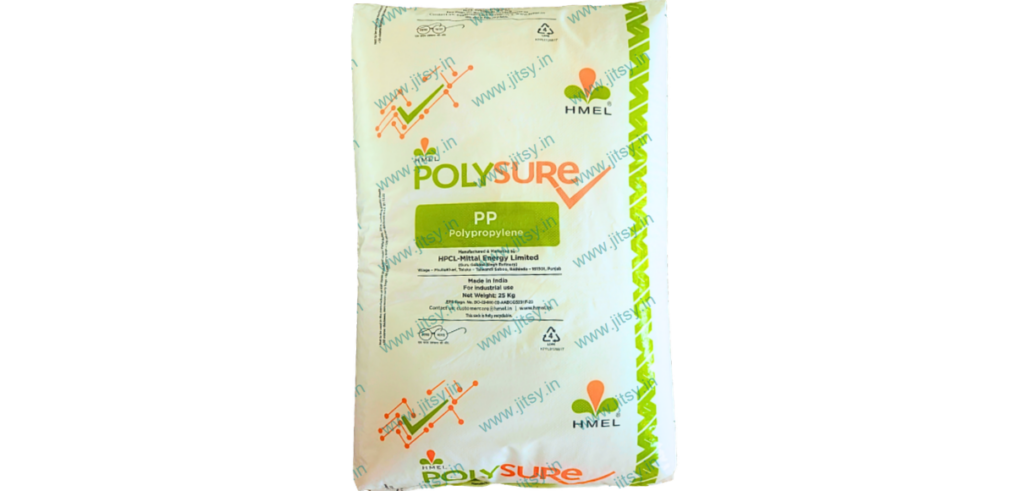
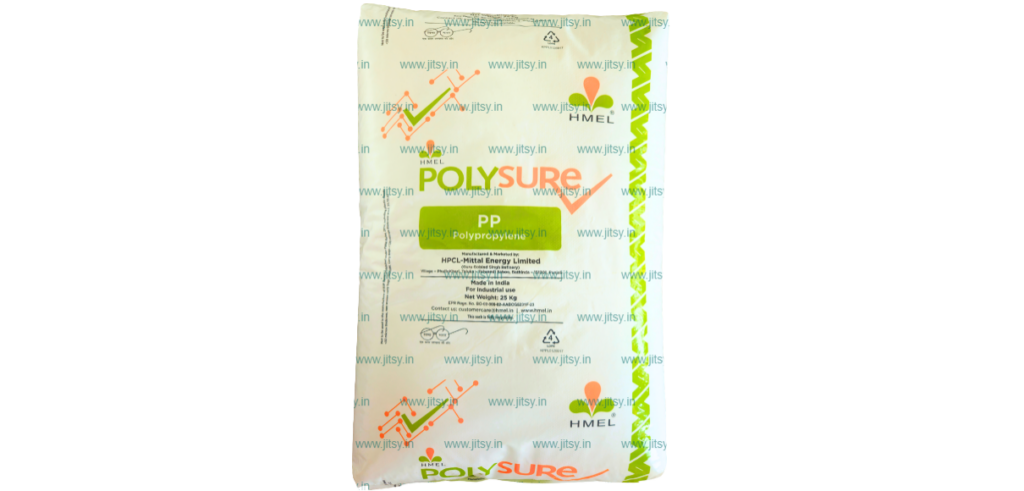
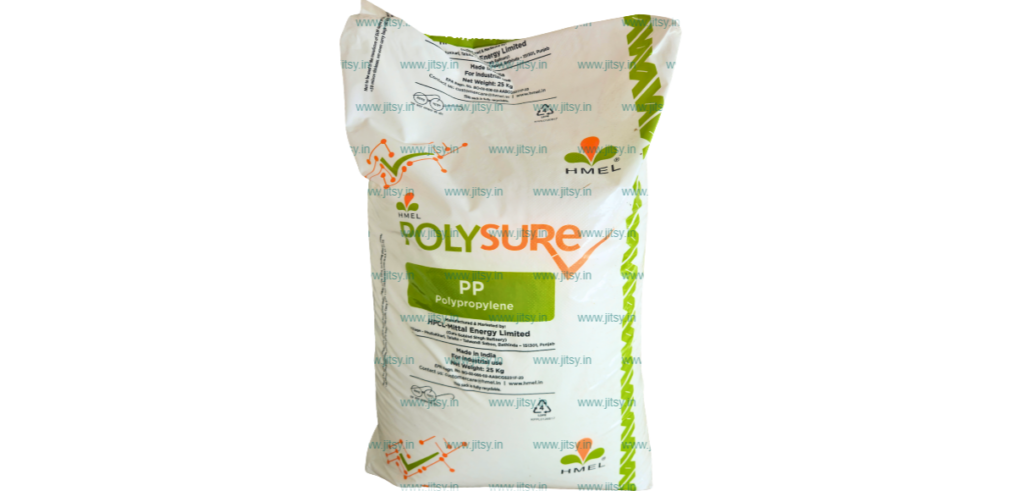
The product is distributed exclusively in standard 25.0 kg raffia bags. To prevent material degradation, store these bags inside a dry, dust-free warehouse where ambient temperatures are maintained below 50°C. Pallets must be protected from direct sunlight and moisture, and the material should be processed within 6 months of delivery to ensure optimal spinning performance.

Compliance, Safety, and Regulatory Information

The chemical formulation of this grade matches the safety criteria outlined in Indian Standards IS 10910 and IS 10909. It also aligns with the global standards regulated by US FDA CFR Title 21 177.1520. This documentation certifies that fibers and nonwovens manufactured from this grade are fully safe for direct food packaging wrappers and hygienic consumer products.

Comparable Grades in India

  • IOCL 1200MG: A dedicated injection moulding grade. Although it shares a comparable flow profile, it is formulated for rapid mold-cavity release rather than long-strand melt tenacity, making it unsuitable for continuous fiber spinning.
  • IOCL 1110MG / 1110MAS: Standard injection moulding and clarified grades. These materials feature different additive designs tailored for rigid plastic parts and lack the specialized process stabilizers required to prevent strand breakage at high spinning speeds.
  • IOCL 1030RG: A specialized homopolymer raffia grade. It is engineered with a lower MFI of 3.0 to maximize tape strength, which means it cannot flow freely enough to pass through fine multifilament spinnerets.
  • Alternative Regional Suppliers: Other domestic petrochemical manufacturers offer alternative 20 MFI polypropylene fiber resins. While these grades serve as functional equivalents, plant engineers must verify pressure stability and draw-down ratios before switching raw materials.

Common Search Variants

Industrial purchasing teams frequently search for this material under names such as PP H 1200YG, PP fiber 1200YG, 1200YG PP, and 1200 YG PP. Common typographical misspellings recorded in supply chain databases include 1200yg, 1200-yg, p1200yg, and pp 1200y g.

CAS Number

HSN Code

Need Technical guidance?

Access free official copy of Technical Data Sheet published by Manufacturer

Why buy IOCL PP Propel 1200YG from JITSY?

  • Direct import & verified sourcing
  • Authorised channel–led supply
  • Pan-India B2B delivery
  • Transparent pricing & documentation
  • Mobile app–enabled procurement
  • Full compliance (RoHS, BIS/ISI, EPR, GST)
  • Batch traceability

FAQs

Frequently Asked Questions

What is the specific role of the process stabilizer in the 1200YG grade?
The integrated stabilizer package protects the molten polymer from thermal oxidation as it passes through the small channels of a spinneret. This keeps the material’s viscosity uniform and prevents it from breaking during high-speed spinning.
No, this grade is specifically designed for making fibers and filaments. Using it in injection moulding machines can cause flash along tool parting lines, brittle parts, and poor mold release because it lacks the necessary moulding additives.
An MFI of 20 provides a fluid melt that flows smoothly through the multi-hole dies used in spunbond and meltblown lines. This fluid flow ensures uniform fiber thickness and prevents holes from clogging during continuous production.
Yes, this resin complies with Indian Standards IS 10910 and IS 10909, as well as US FDA CFR Title 21 177.1520. This makes it fully safe for producing hygienic nonwoven layers used in medical face masks and gowns.
Direct UV sunlight breaks the molecular chains of polypropylene homopolymers. Storing the material in the sun causes the granules to become brittle, which can lead to frequent filament breakage and a loss of fiber strength during extrusion.
The 1200YG grade has a high MFI of 20 and a fiber-optimized stabilizer package for spinning fine yarns. In contrast, 1030RG has a much lower MFI of 3.0, which is tailored for stretching thick, heavy-duty industrial raffia tapes.
This raw polymer is packaged and delivered in heavy-duty, industrial-grade moisture-resistant bags. Each individual bag contains a certified net material weight of exactly 25.0 kg.

What Customers Say

0 reviews
0
0
0
0
0

There are no reviews yet.

Be the first to review “IOCL PP Propel 1200YG”

Related Articles