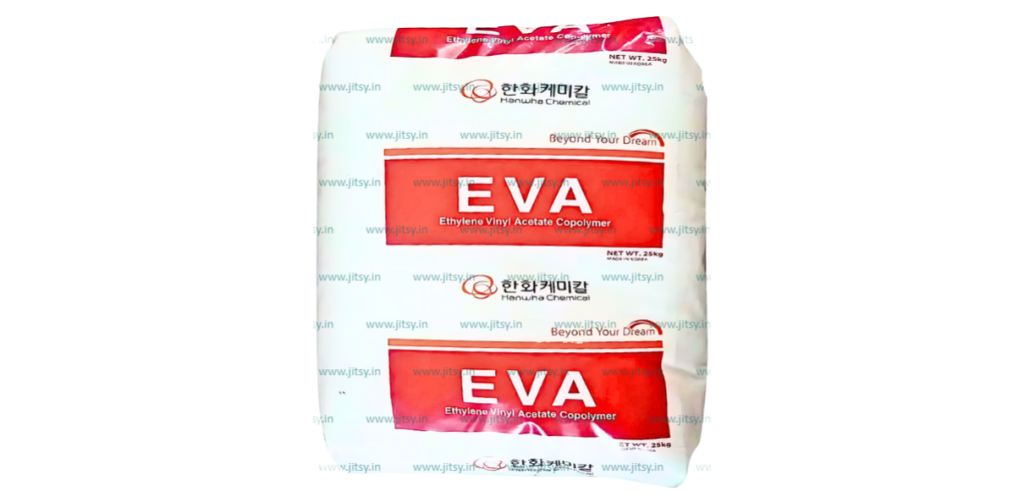
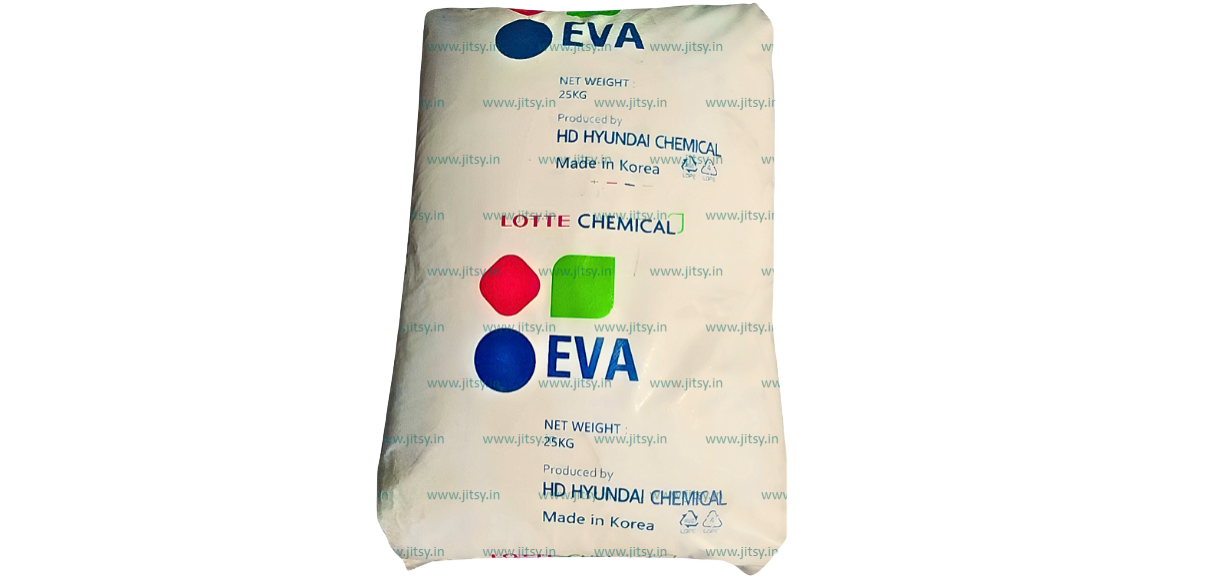
Lotte EVA LVS520
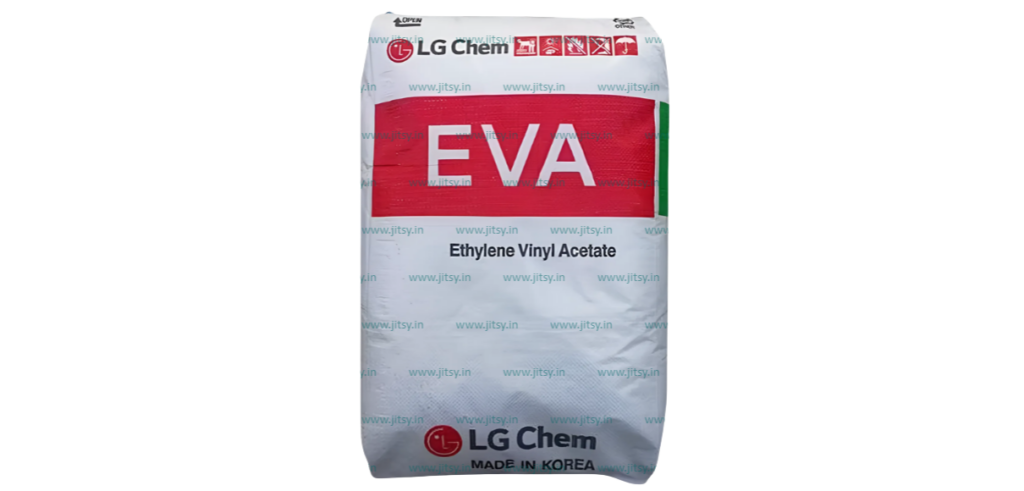
Lotte Chemical EVA LVS520 is a next-generation, high-VA ethylene-vinyl acetate (EVA) copolymer engineered for foam applications, injection molding, and comfort-centric footwear. Developed by Lotte Chemical (South Korea) using proprietary tubular process technology, LVS520 stands out for its superior softness, fine-cell foamability, and robust mechanical properties-making it the top choice for Indian footwear manufacturers, foam converters, and cushion product makers.
With a melt flow rate (MFI) of 3.0 g/10 min, vinyl acetate content of 22 wt%, density 0.943 g/cm³, tensile strength at break 200 kg/cm² (~19.6 MPa), elongation at break 750%, Shore hardness 78A, Vicat softening 53 °C, and melt temperature 79 °C, LVS520 delivers unmatched foam softness, flexibility, and energy-efficient processing. Its high VA content and moderate MFI enable precise compounding, uniform cell structure, and soft, durable foam products-ideal for comfort footwear, sports pads, and custom molded foam parts.
Functional Features & Technical Authority
- High VA Content (22% VA): Delivers exceptional softness, elasticity, and comfort-outperforming standard 18–19% foam EVAs for premium feel and flexibility.
- Optimized MFI (3.0): Supports controlled foam mixing, uniform additive dispersal, and easy flow in injection and sheet molding equipment, reducing defects and boosting productivity.
- Fine-Cell Foamability: Proprietary process ensures fine, uniform cell structure for lightweight, soft, and resilient foam products.
- Low-Temperature Processing: Melt temperature of 79 °C and Vicat 53 °C allow for energy-efficient, thermally gentle processing-preserving material integrity and additive performance.
- Soft Yet Durable: Shore A 78 and 750% elongation provide a cushioned feel with robust mechanical support, resisting cracking and fatigue over repeated use.
- Excellent Mechanical Strength: Maintains tensile strength (200 kg/cm²) and flexibility even after crosslinking and foaming, ensuring long-term durability in footwear and cushioning.
- Versatile Processing: Readily processable in kneading, milling, injection, and sheet molding setups-compatible with standard equipment and a wide range of foam formulations.
- Consistent Quality: Lotte Chemical’s global pedigree ensures batch-to-batch reliability, traceability, and regulatory compliance.
Applications
Foam Shoe Soles & Footwear Components:
LVS520 is the benchmark for soft, comfortable EVA foam shoe soles, insoles, and footbeds-delivering superior cushioning, flexibility, and impact absorption for casual, comfort, and recreational footwear. Its high VA content ensures a plush, premium feel while maintaining structural support.
Injection Molding & Sheet Molding:
Ideal for injection-molded EVA parts (grips, handles, decorative elements) and sheet-molded foam products (custom foam sheets, thermoformed pads, blocks). LVS520’s MFI 3.0 allows for smooth flow and easy coloring, supporting complex shapes and detailed parts.
Cushion Products & Protective Padding:
Perfect for sports equipment padding, industrial cushioning, protective packaging, mats, and playground surfaces. Fine-cell foam structure and high elongation enable effective impact absorption and comfort.
General EVA Foam & Industrial Compounds:
Adaptable for custom foam formulations, general foam sheets, blocks, and as a modifier resin to boost softness and flexibility in blends for technical and consumer applications.
Key Application Highlights:
- EVA foam shoe soles, insoles, footbeds, sandals, slippers
- Injection-molded EVA parts and foam sheets
- Cushion pads, sports/protective padding, comfort layers
- Custom foam blocks, industrial compounds, modifier resin
CAS Number
HSN Code
Need Technical guidance?
Why buy Lotte EVA LVS520 from JITSY?
- Direct import & verified sourcing
- Authorised channel–led supply
- Pan-India B2B delivery
- Transparent pricing & documentation
- Mobile app–enabled procurement
- Full compliance (RoHS, BIS/ISI, EPR, GST)
- Batch traceability
FAQs
Frequently Asked Questions
What is Lotte Chemical EVA LVS520 and what makes it different from other foam EVAs?
What are the main applications of Lotte EVA LVS520?
How does LVS520 compare to Lotte LVS430 or other foam grades?
What processing conditions are recommended for LVS520 foam production?
Is LVS520 suitable for food contact or skin-contact applications?
How does 22% VA enhance foam performance vs lower-VA EVAs?
Why is transparent sourcing important for LVS520 in Indian footwear and foam industries?
What Customers Say
Other Relevant Products Available in India
Related Articles
JITSY Microspheres Guide: Expandable vs Pre-Expanded — Which Format Suits Your Process?
Expandable microspheres are small hollow beads that have a thin shell made of plastic and contain a liquid core. The liquid vaporises, the bead expands and the shell expands

COA Is Not Enough: How JITSY Goes Beyond Certification in Polymer Sourcing
Expandable microspheres are small hollow beads that have a thin shell made of plastic and contain a liquid core. The liquid vaporises, the bead expands and the shell expands

JITSY EVA Grade Selector: What VA Content Actually Means for Your Product
Expandable microspheres are small hollow beads that have a thin shell made of plastic and contain a liquid core. The liquid vaporises, the bead expands and the shell expands

JITSY DCP Buyer’s Guide: How to Choose the Right Dicumyl Peroxide Grade
Expandable microspheres are small hollow beads that have a thin shell made of plastic and contain a liquid core. The liquid vaporises, the bead expands and the shell expands

Circular Economy & Recycling in the Plastic Raw Material Value Chain
Expandable microspheres are small hollow beads that have a thin shell made of plastic and contain a liquid core. The liquid vaporises, the bead expands and the shell expands

How EVA Foam Material Is Used in Footwear Manufacturing
Expandable microspheres are small hollow beads that have a thin shell made of plastic and contain a liquid core. The liquid vaporises, the bead expands and the shell expands
Complete Guide to EVA Materials: Grades, Applications & Selection Tips
Expandable microspheres are small hollow beads that have a thin shell made of plastic and contain a liquid core. The liquid vaporises, the bead expands and the shell expands

How EVA Improves Adhesion in Packaging and Assembly?
Expandable microspheres are small hollow beads that have a thin shell made of plastic and contain a liquid core. The liquid vaporises, the bead expands and the shell expands
What Are Expandable Microspheres and How Are They Used in Textile Printing and PVC Footwear?
Expandable microspheres are small hollow beads that have a thin shell made of plastic and contain a liquid core. The liquid vaporises, the bead expands and the shell expands
How Small & Mid-Sized Manufacturers Can Compete Using Digital Procurement
Small and mid-sized manufacturers have never given up on competing. In the modern market, it is no longer sufficient to compete with the quality of the work and hard labour.

Why India Is Becoming a China+1 Option for Raw Material Sourcing
Businesses can no longer rely on a single nation. They currently diversify risk and seek partners who are stable. Meanwhile, the increased cost of labour in China.
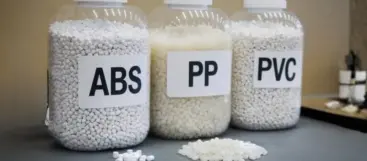
Choosing the Correct Polymer for Your Manufacturing Needs: ABS vs PP vs PVC
Confusion is common when manufacturers are considering ABS vs PP vs PVC. Different polymers are suitable for different applications, with specific pros and cons.

Top Procurement Mistakes Indian Manufacturers Make While Scaling
I have seen promising Indian manufacturers grow and then struggle during scaling. Often, success itself exposes operational cracks that were previously hidden.

Raw Materials Used in Toy Manufacturing: Safety, Compliance & Cost Factors
The materials used in toy manufacturing can impact the safety of children and the reputation of the company. There are multiple documented cases where improper material selection has led to recalls, litigation, and severe financial damage to toy manufacturers.

Choosing the Right Polymer Grades for Injection Molding
Purchasing the wrong polymer grade for injection molding can directly result in product failure, high rejection rates, or field performance issues. Different applications require vastly different material characteristics.

How Digital Procurement Platforms Reduce Raw Material Fraud
Raw material fraud is a frequent issue in conventional procurement. It usually happens due to the lack of supplier verification, the absence of records, and low levels of transparency. In manual systems, it is hard and time-consuming to keep track of materials.