Blog
Crude Oil vs Polymer Prices: How to Time Your Procurement in a Volatile Market

Shubham Gupta
Why Crude Oil and Polymer Prices Are Not the Same Thing
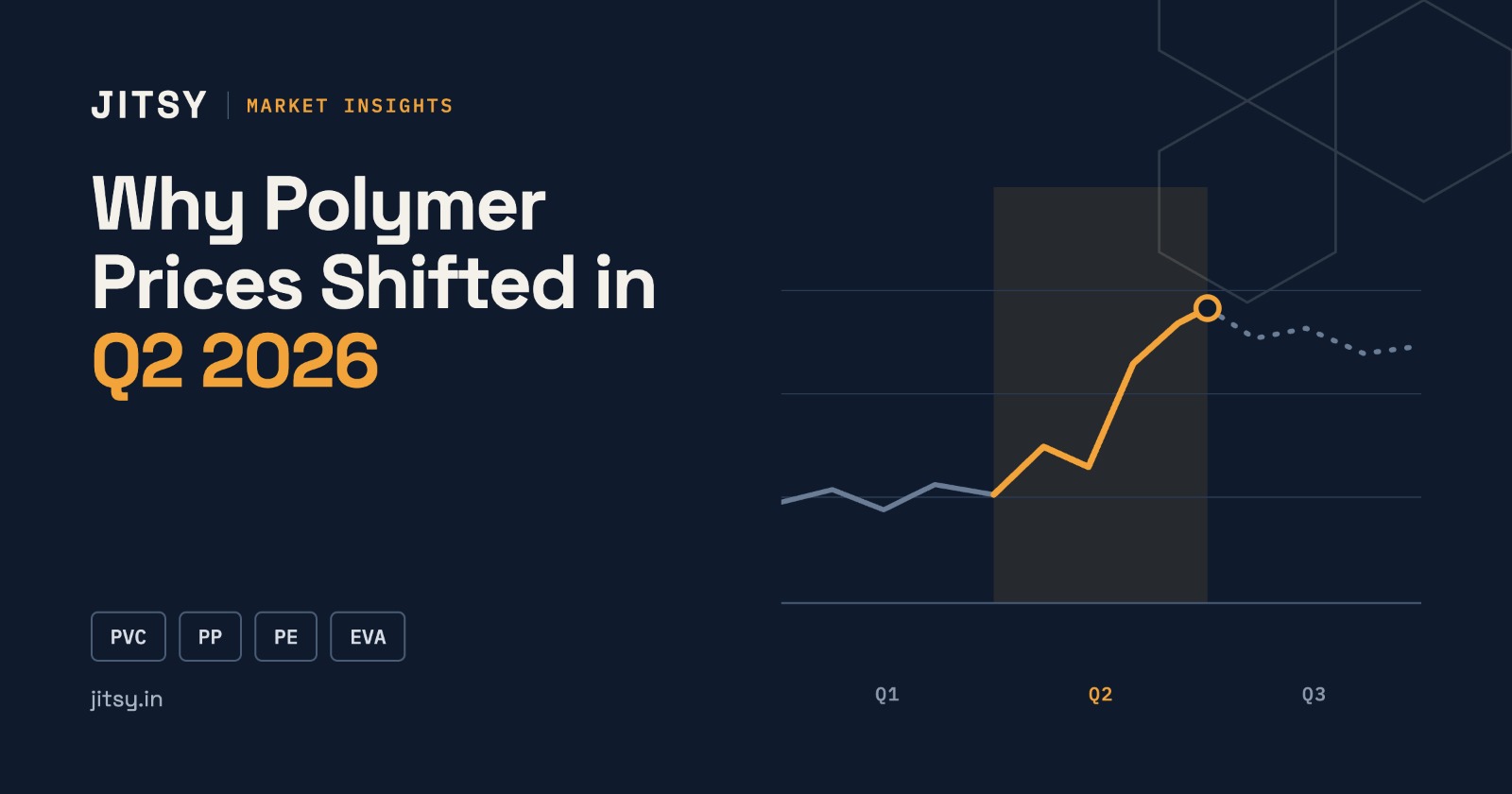
While crude oil affects the cost of the raw materials used to produce polymers, the two markets are not perfectly correlated. In addition to crude oil, polymer prices are influenced by factors including the availability of feedstocks at producing plants, imports, and local demand as well as by such issues as freight and producer pricing. Thus, a 5% increase in crude oil does not automatically lead to a 5% increase in the price of PP or PE a few days later. The entire market must be taken into account by the buyer.
How Crude Oil Becomes Polymer: The Price Chain
The connection follows a multi-stage value chain:
Crude oil → Naphtha → Ethylene or propylene → PE or PP resin → Distributor → Buyer
At every stage, production capacity, operating margins, transportation and inventory influence the final price. Polyethylene is linked primarily to ethylene, while polypropylene depends on propylene. This makes crude oil an important upstream indicator—not a direct polymer price list.
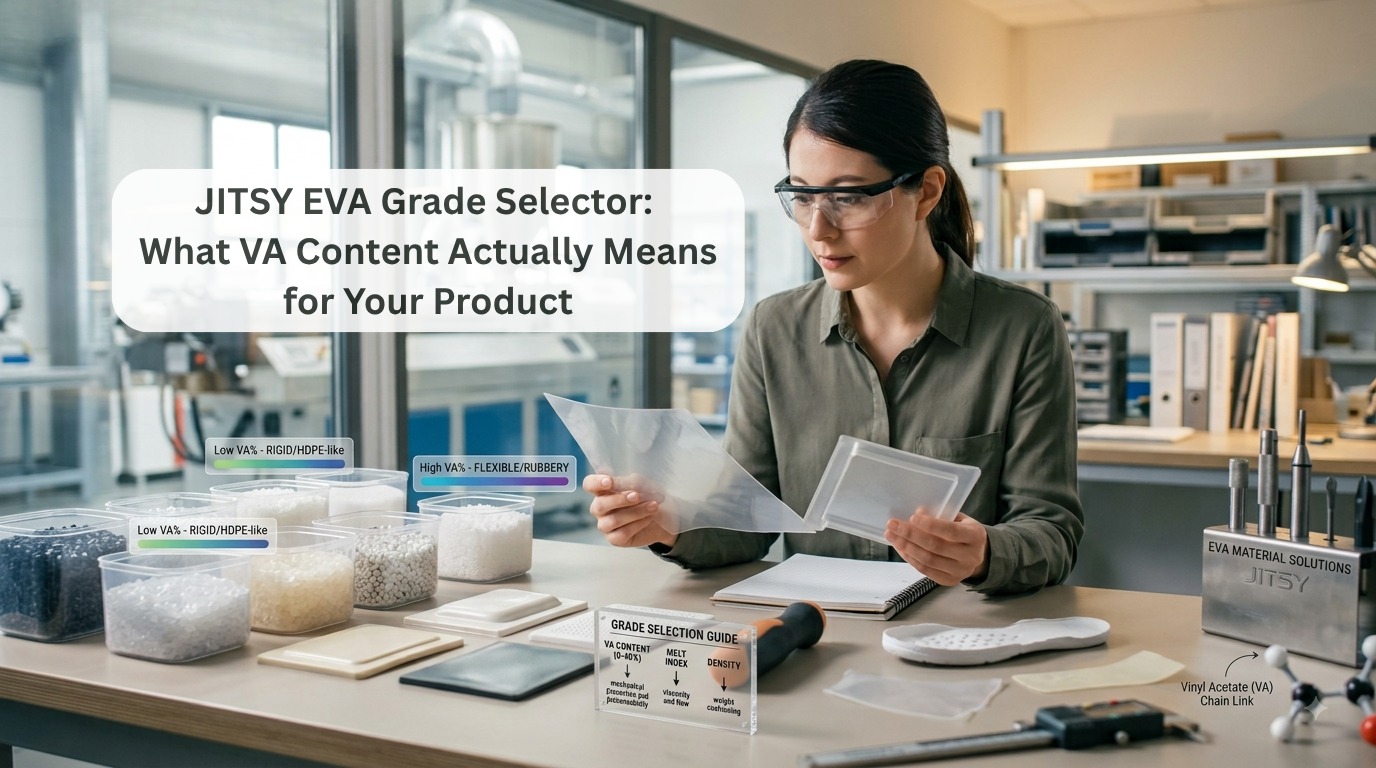
The same chain extends to ethylene vinyl acetate: crude oil → naphtha → ethylene → EVA resin, delivered to converters as eva granules or eva plastic granules and processed into eva foam raw material for cushioning, packaging and footwear soles. A PE buyer already tracks the right upstream signal for EVA — the copolymer adds a vinyl-acetate cost layer, but ethylene is still the driver.
EVA, DCP and Microspheres: Footwear-Grade Inputs on the Same Crude-Linked Clock
Buyers of eva foam material, dicumyl peroxide and polymer microspheres — the three inputs behind most EVA-based footwear soles — see the same crude-linked volatility described above, with a few sector-specific wrinkles worth tracking separately.
EVA. An eva raw material supplier prices off ethylene, so it should be shortlisted the same way you’d shortlist a PE supplier — on contract-versus-spot terms, not just quoted price. When comparing eva manufacturers or an eva granules manufacturer, ask how their ethylene vinyl acetate granules pricing is indexed; producers on long-term ethylene contracts often move slower than converters buying ethylene on the spot market.
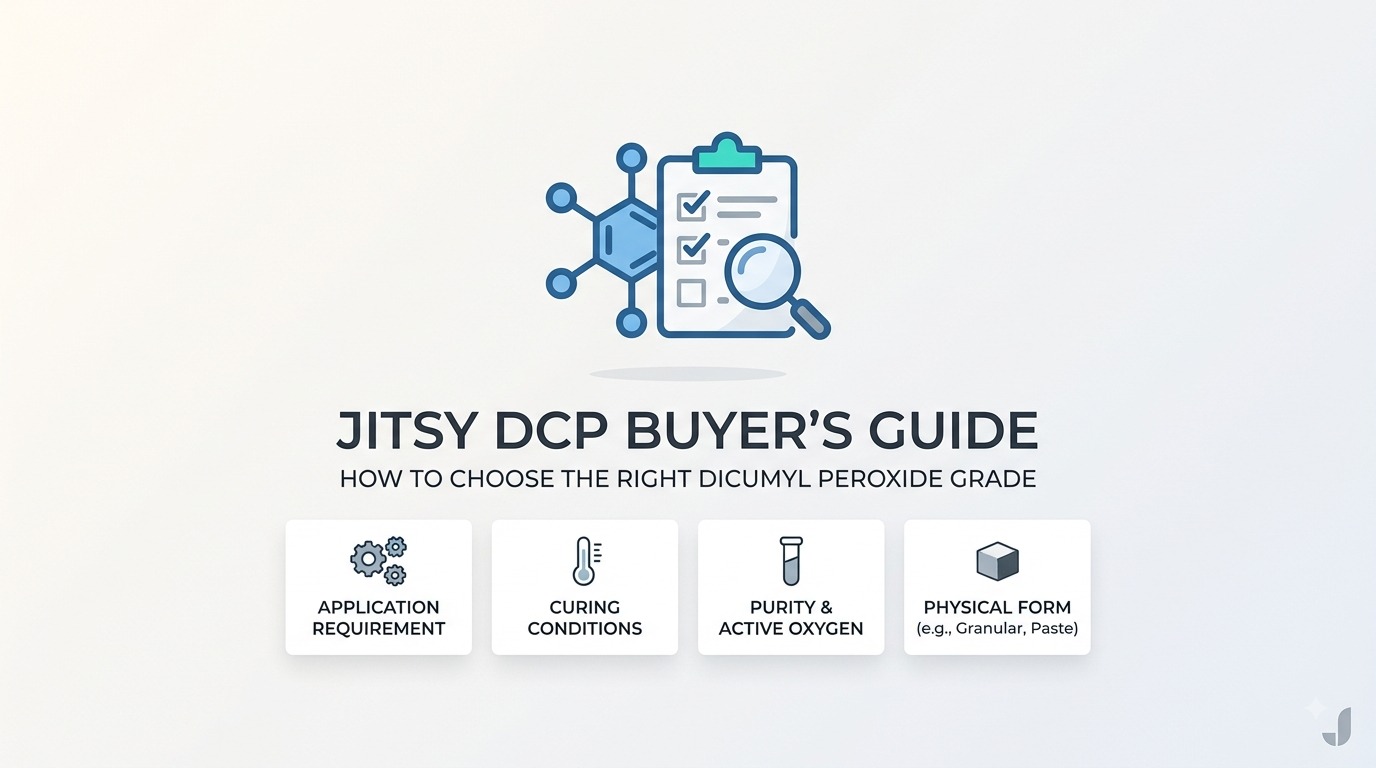
DCP. Dicumyl peroxide is the crosslinking agent that cures EVA foam for soles, so DCP demand tracks EVA output closely. Dicumyl peroxide footwear suppliers and any DCP / dicumyl peroxide importer typically price off a mix of import parity and domestic capacity, so a single plant outage can move DCP suppliers’ quotes faster than crude alone would suggest.
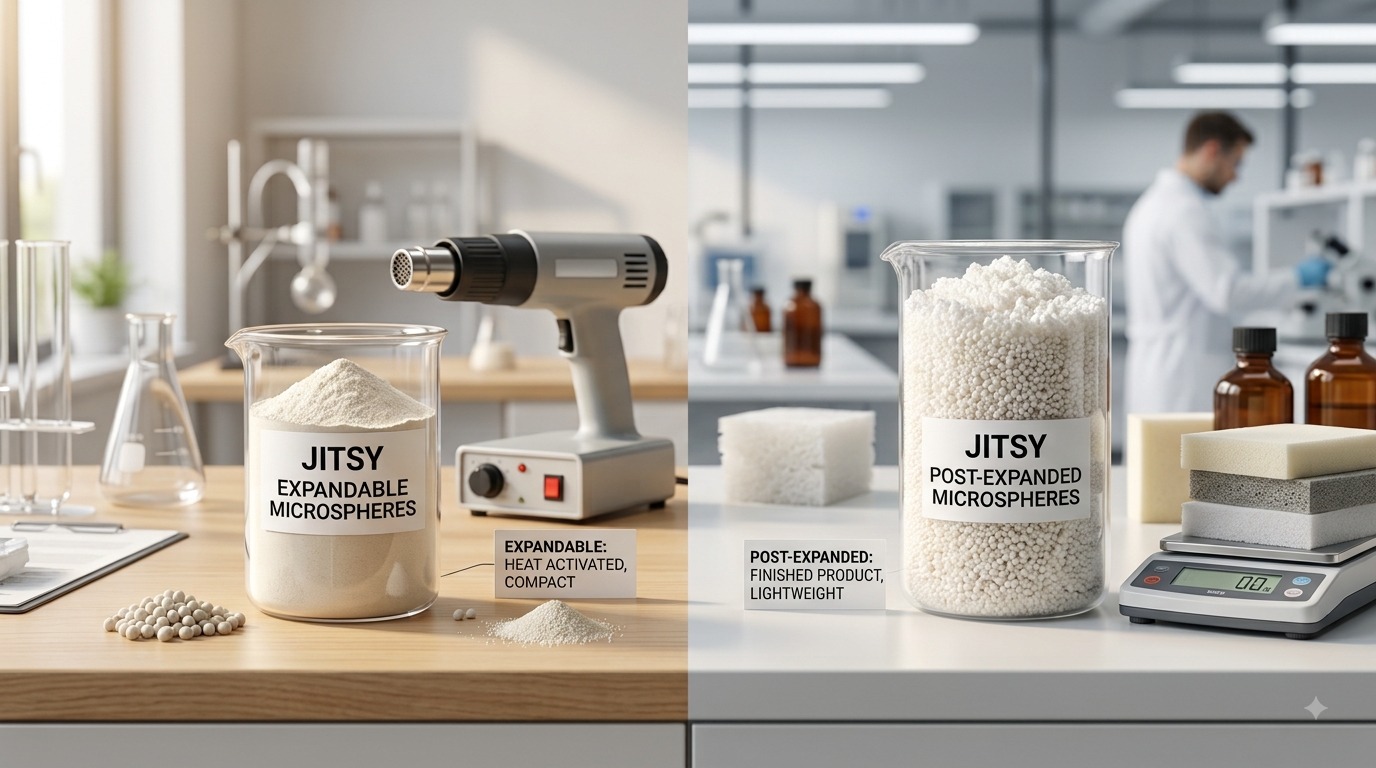
Microspheres. Polymer microspheres — expandable microspheres and hollow polymer microspheres used to cut foam density — are a smaller, more specialised market than EVA or DCP, so plastic microspheres can swing sharply on a single producer’s supply issue. Vet microspheres distributors on delivery reliability as much as on price.
POE. Polyolefin elastomer (POE) is increasingly blended with EVA in midsoles for better rebound and durability. Polyolefin thermoplastic elastomer pricing tracks propylene/ethylene copolymer economics on its own timeline, so buy POE polymer against that signal, not against EVA’s.
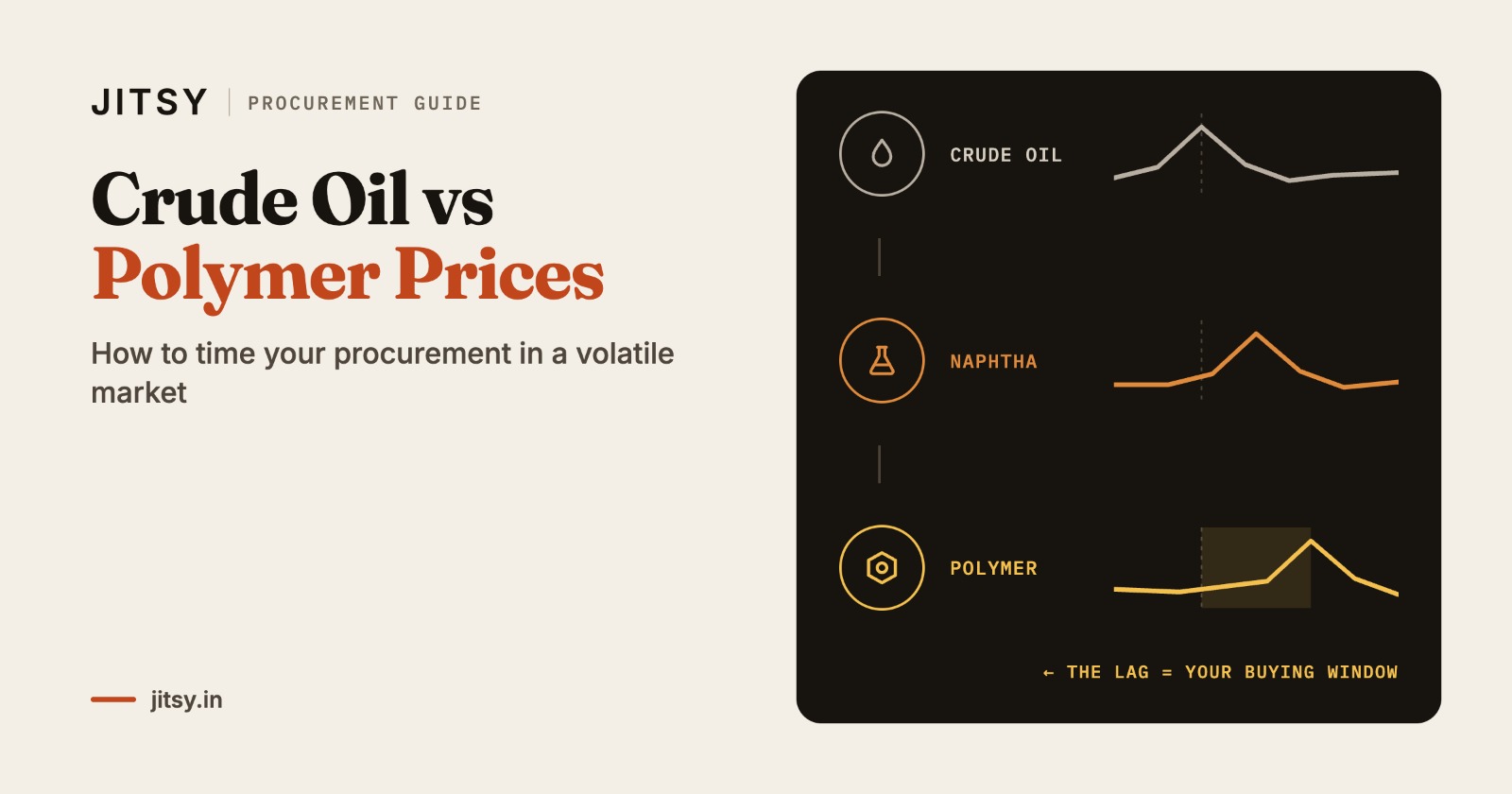
The Lag Factor: When Does a Crude Move Hit Your PO?
A crude price movement can take several days or weeks to influence polymer quotations in India. The timing depends on whether feedstock prices follow, how much inventory producers and distributors hold, and when manufacturers revise official prices.
The effect may arrive faster when crude rises sharply alongside supply disruption. It may take longer when inventories are comfortable or demand is weak. This crude-oil-to-polymer price lag in India is variable; there is no dependable fixed interval.
Reading the Signals: What to Watch Before You Place a PO
Before approving a purchase order, monitor more than the crude oil headline:
Brent crude and naphtha: Show the broad direction of upstream costs.
Ethylene and propylene: Provide a closer signal for PE and PP.
Producer circulars: Reveal confirmed domestic price revisions.
Import parity: Compare overseas offers after freight, duty and currency conversion.
Plant shutdowns: Whether planned or not, they will impact supply in the short term.
Distributor inventory: Low distributor stock levels can prompt spot prices higher than producers are willing to sell at.
Demand: Packaging, automotive, agriculture and infrastructure activity affect consumption.
INR–USD movement: A weaker rupee makes imported material more expensive.
Direction matters, but the strength and combination of these signals matter more.
Procurement Timing Strategy: When to Buy, When to Wait
Consider buying or increasing coverage when:
- Crude, naphtha and monomer prices are rising together.
- Producers indicate an upcoming price revision.
- Imports are becoming expensive or less available.
- Your critical grade has limited local inventory.
- Current stock cannot cover confirmed production.
Consider waiting or buying in smaller lots when:
- Crude is falling and feedstocks are beginning to follow.
- Domestic inventory is high.
- Demand is weak and suppliers are competing for orders.
- Imports are arriving at lower landed costs.
- Producers are offering discounts or protection schemes.
Do not place the entire requirement based on one forecast. Divide demand into immediate, near-term and flexible quantities. Cover production-critical material first, then stagger the remaining volume. This reduces the risk of buying everything at the peak—or waiting too long and facing a shortage.
Why Crude Alone Is Not Enough to Predict Polymer Prices
Polymer pricing can rise while crude falls if a plant shuts down, imports become expensive or a specific grade becomes scarce. Prices may also remain unchanged after crude rises if producers have sufficient inventory and downstream demand is soft.
For a reliable polymer price forecast in India, combine crude direction with monomer prices, domestic supply, import offers, currency, freight and buyer demand. Crude shows cost pressure; market conditions determine whether that pressure reaches your PO.
FAQ – Crude Oil and Polymer Procurement Timing
1. How quickly does a crude increase affect polymers?
Usually within days or weeks, but no fixed lag applies.
2. Will polymers fall when crude falls?
Not necessarily; feedstocks, supply and demand must also weaken.
3. Which polymers are most sensitive?
PP and PE track propylene and ethylene most closely. EVA, used for footwear and packaging foam, moves on the same ethylene signal — see the section above for how that affects sourcing.
4. What else should buyers track?
Feedstocks, imports, inventories, currency, freight and producer revisions.
5. Is DCP the same as dicumyl peroxide?
Yes. DCP is short for dicumyl peroxide, the crosslinking agent used to cure EVA foam. Buyers searching di cumyl peroxide, dicumil peroxide or dcp dicumyl peroxide are describing the same footwear-grade input — treat the spelling variants as one material when comparing supplier quotes.
6. Why do shoe soles use microspheres?
Hollow polymer microspheres and thermally expandable microspheres lower EVA foam density without giving up cushioning, which is why microspheres for lightweight shoe sole compounds stay in steady demand from footwear brands regardless of where crude is trading.
7. Is POE (polyolefin elastomer) replacing EVA in midsoles?
Not replacing — usually blending. POE is combined with EVA for extra rebound and durability, but poe polymer pricing follows propylene/ethylene copolymer economics on its own schedule, separate from EVA’s.
8. How does JITSY help?
JITSY helps buyers compare current offers, availability and procurement options.
Final Thoughts
Successful procurement is not about predicting one perfect price. Track connected market signals, stagger your purchases and use JITSY to make faster, better-informed polymer buying decisions.
This applies just as much to footwear-grade EVA, DCP and microspheres as it does to PP and PE — JITSY helps buyers compare offers and availability across all of these grades too.
Recent Articles