What Happened to Polymer Prices in Q2 2026?
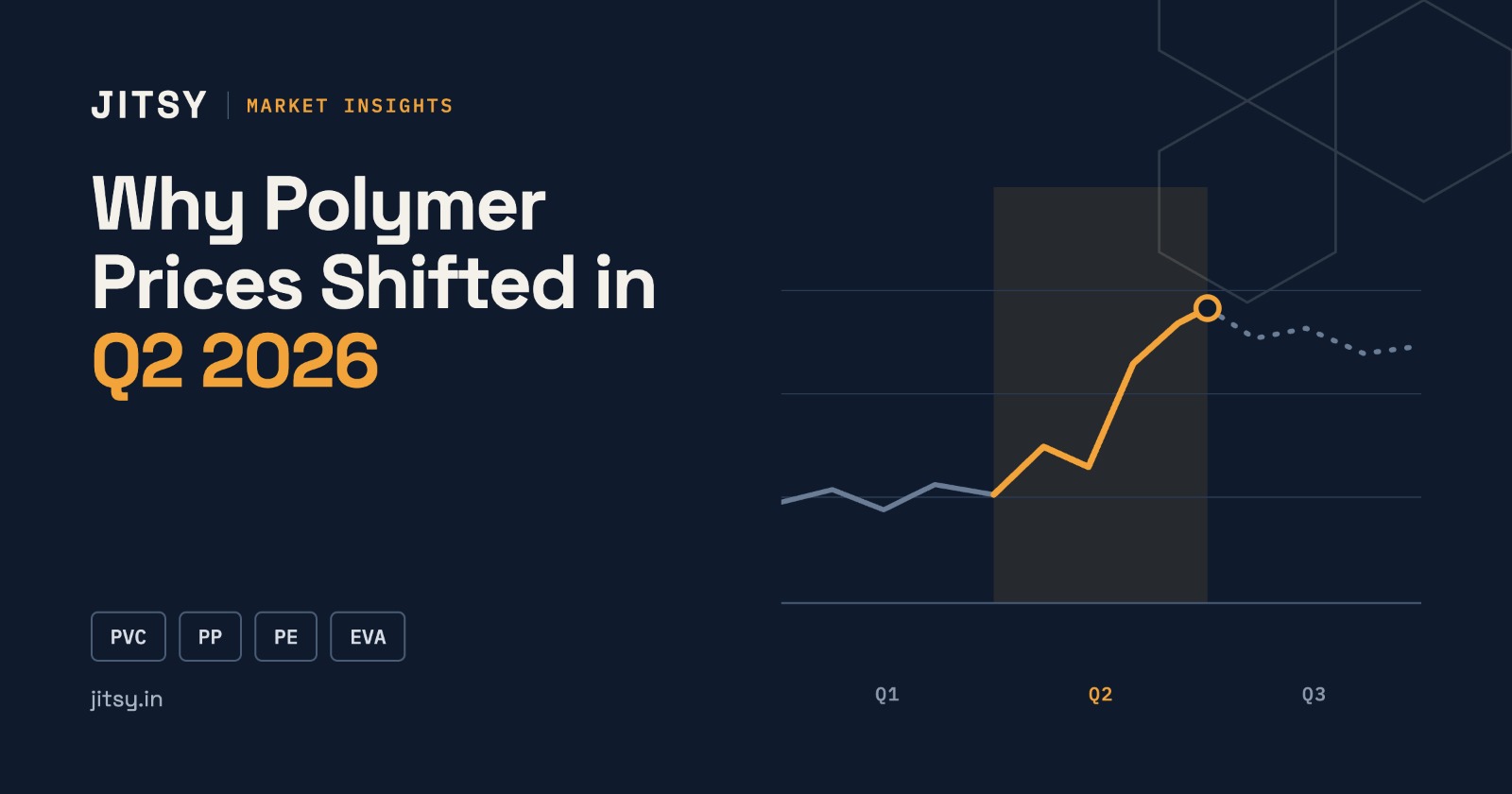
India’s polymer market went through numerous price revisions in April to June 2026 as against a constant increase. While PP and PE rates underwent change from time to time, rates of various specialty products kept changing as producers took into account changes in raw material prices, imports and demand. Prices of EVA raw material, various grades of POE and other import dependent products fluctuated between periods of short supply and shorter validities on quotes.
The Three Triggers Behind the Q2 2026 Price Movement
1. Upstream cost volatility
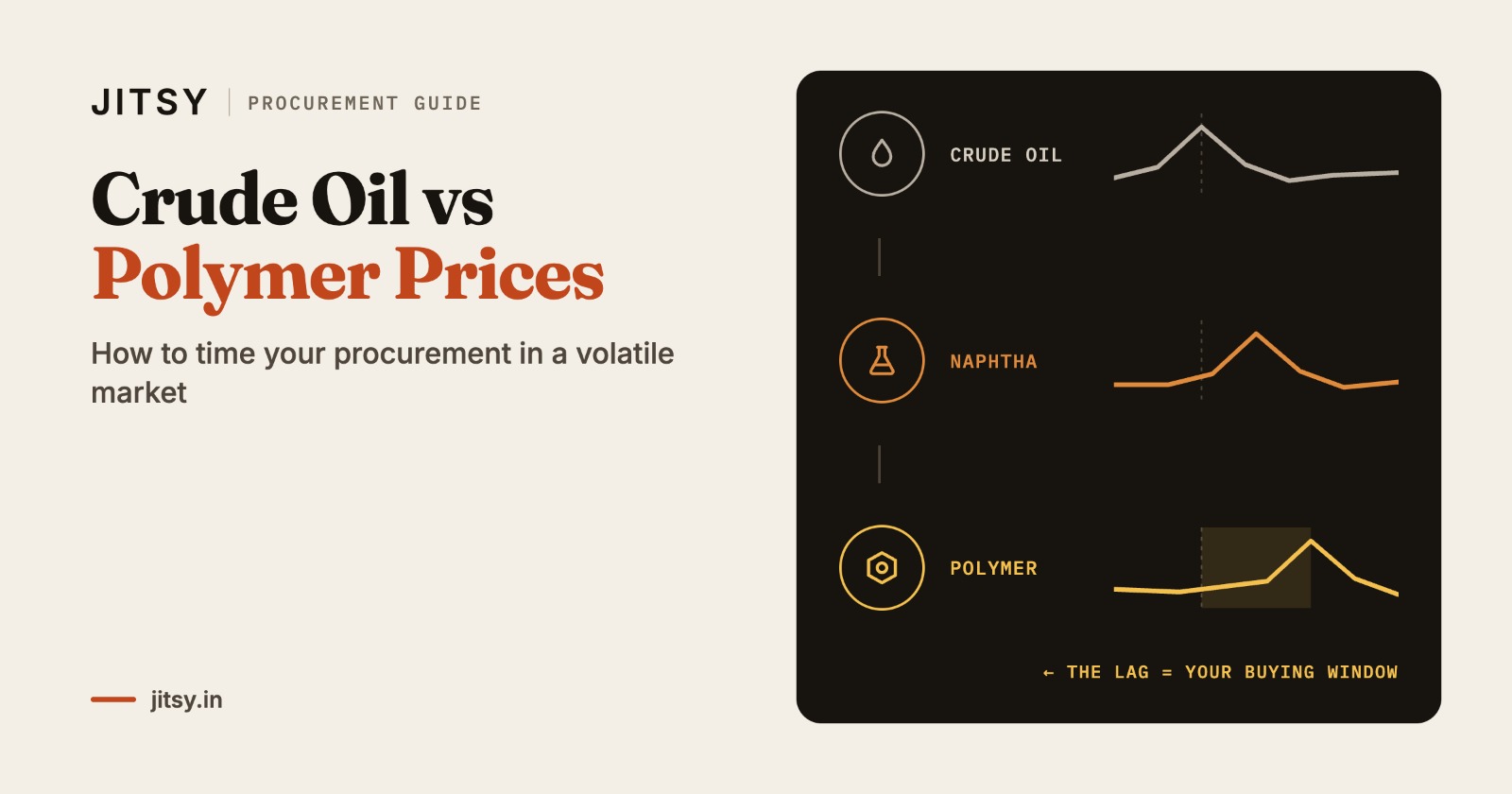
Buyers of PP, PE, EVA granules and polyolefin elastomer also had to contend with fluctuations in crude oil, naphtha, ethylene and propylene influencing production costs and the cost of alternative materials.
2. Changing import economics
Those components which the company brings in from outside, (such as the EVA raw material supplier, the microsphere distributor and the POE importer) have variable pricing options which can fluctuate due to the many factors affecting the landed cost of imported polymers, such as overseas supplier offers, freight, currency movements and uncertainty in respect of the supply of raw materials from the Middle East.
3. Domestic producer revisions
The major Indian polymer manufacturers reviewed their polymer prices, and the discounts and price-protection scheme for Polymer were changed from time to time during the quarter. As a result, there was a sudden change in the spot-market quotations and the replacement costs for the distributors.
Which Polymers Were Affected the Most?
The impact varied by grade and application. PP copolymers, selected PE grades and import-dependent specialty polymers experienced notable volatility.
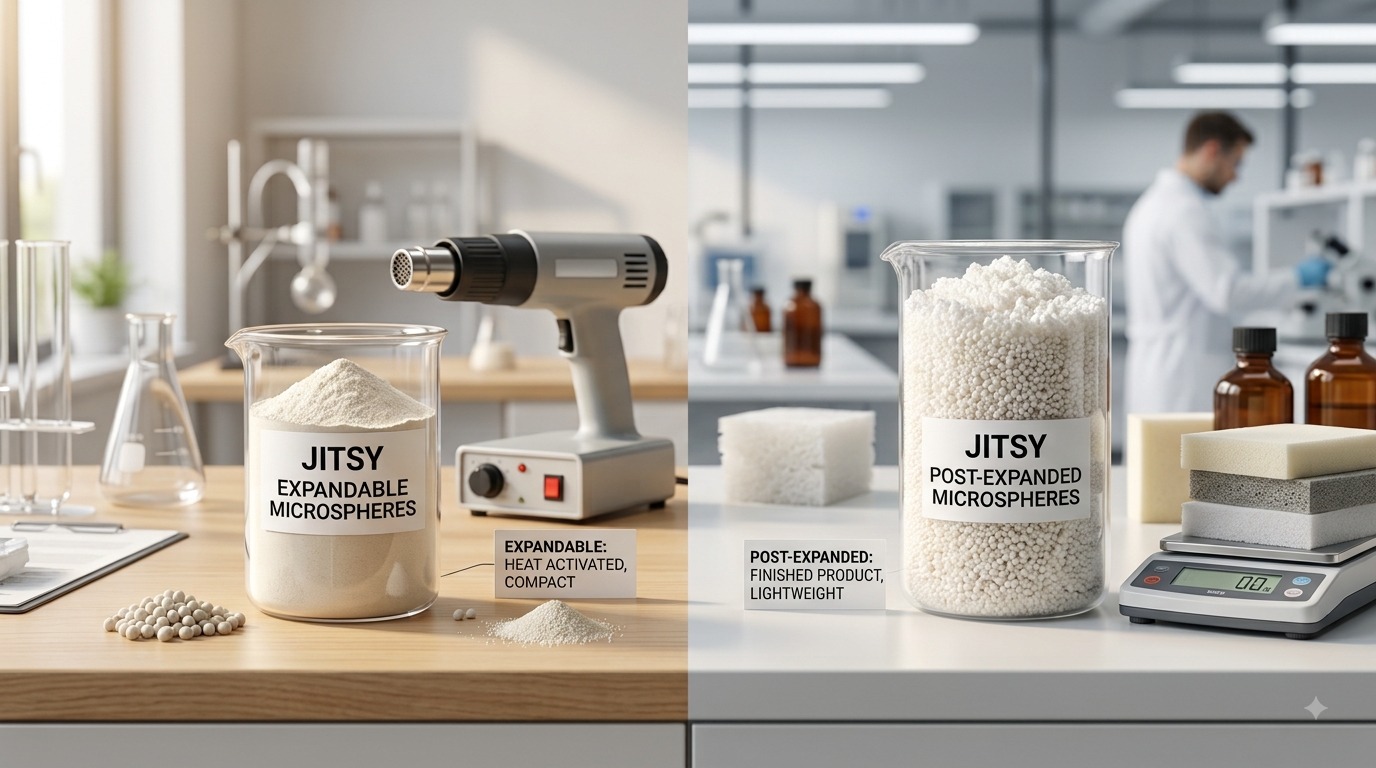
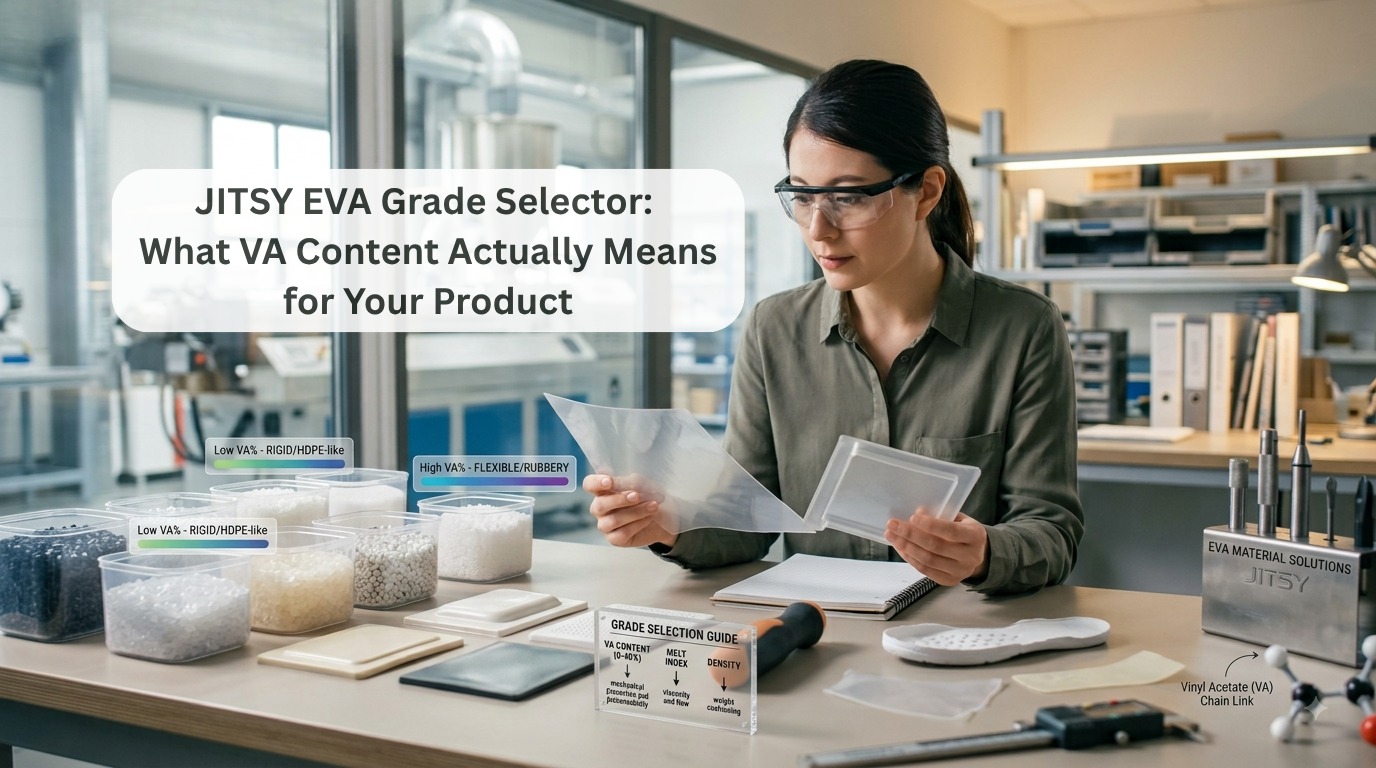
EVA plastic granules and ethylene vinyl acetate grades used in footwear, foam and solar applications were influenced by feedstock availability and Asian import offers. POE polymer, expandable microspheres and thermally expandable microspheres also remained sensitive to international supply conditions. EVA markets were not uniform globally, with Asian oversupply appearing alongside higher logistics and feedstock pressure.
How This Directly Affects Your Next Purchase Order
The final cost of a PO is determined by more than a producer’s basic price. Suppliers must also consider replacement inventory, freight, currency, credit terms, order size and regional availability.
Buyers may therefore experience:
- Shorter quotation-validity periods
- Frequent revisions before PO approval
- Reduced negotiation on scarce grades
- Limited availability of preferred manufacturers
- Higher delivered costs from distant warehouses
- Longer lead times for imported materials
This matters particularly when buying EVA foam raw material, hollow polymer microspheres, DCP crosslinking agents or specialty POE grades against fixed production schedules.
What Procurement Teams Should Do Now
There’s nothing worse than panic buying or waiting too long to place an order. Try to split your requirements into immediate, confirmed and forecast demand.
- Secure materials needed to protect uninterrupted production.
- Compare complete landed costs not only base quotations.
- Obtain quotes from multiple verified suppliers.
- Confirm the exact grade, manufacturer and dispatch location.
- Check batch availability and expected delivery dates.
- Ask whether the quotation includes freight, taxes and credit costs.
- Negotiate staggered deliveries for larger orders.
- Track crude oil, feedstocks, imports and producer circulars.
- Reconfirm the current price before releasing every PO.
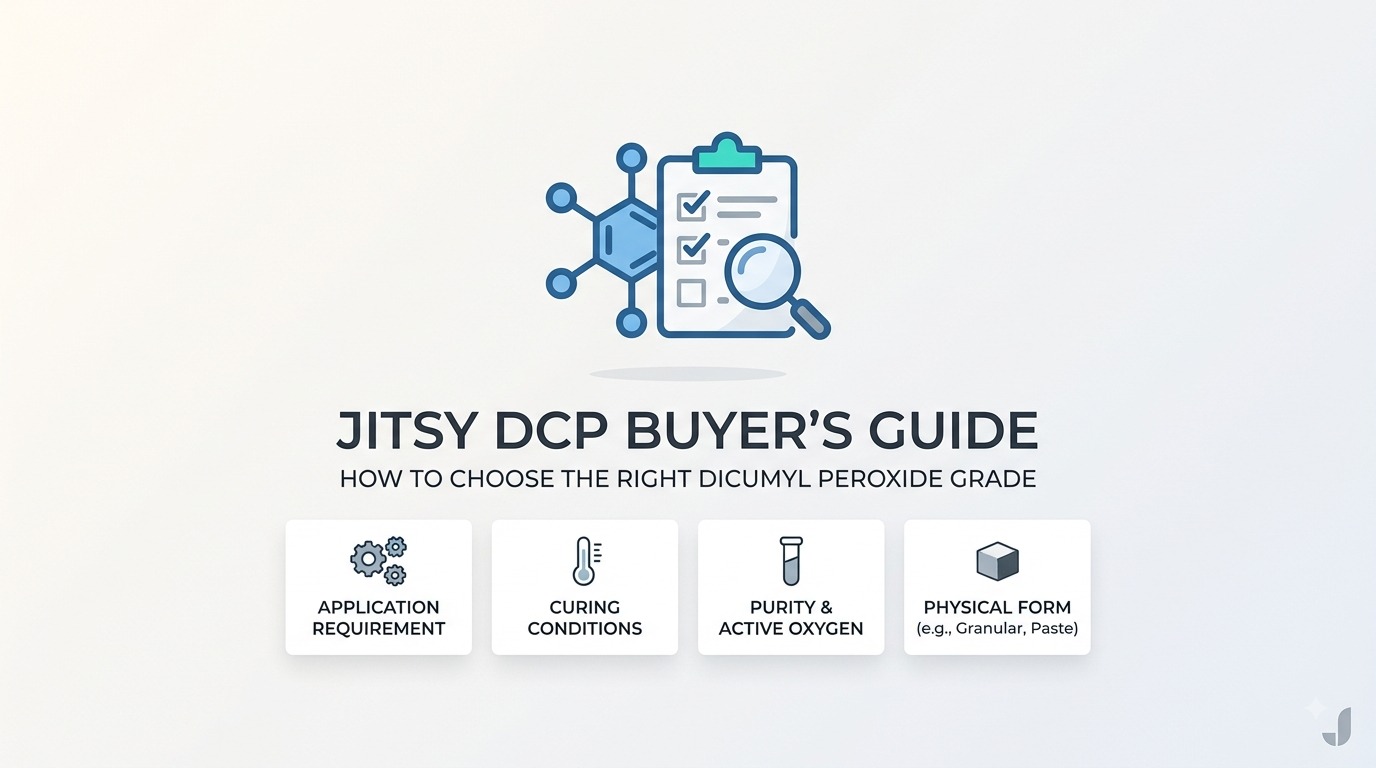
For critical raw materials like EVA granules, dicumyl peroxide, POE and expandable microspheres even a minimal price difference is not worth the risk of switching to an unknown supplier.
Will Prices Stabilise? Near-Term Outlook
Market conditions are expected to ease as feedstock prices decrease, imports normalize, inventories rebuild and downstream demand weakens. However, supply constraints, currency devaluations, high freight costs and product shortages can maintain high prices for a considerable period.
While preparing a procurement plan one should try to cover near-term production needs and keep part of the forecast quantity under consideration for the procurement within the available budget.
FAQ - Polymer Prices in Q2 2026
1. Which polymers experienced the most movement?
PP, selected PE grades, EVA, POE and other import-dependent specialty polymers saw meaningful volatility
2. Why did multiple producers revise prices?
Similar fluctuation can occur with feedstock costs, import parity, inventory position and market demand.
3. Should I place a bulk PO immediately?
Cover critical demand first and stagger flexible quantities.
4. How long can volatility continue?
Until feedstock, supply and demand conditions become more stable.
5. Where can I track polymer prices?
Follow producer circulars, Polymerupdate, Plastemart and verified supplier quotations.
Final Thoughts
You see why in Q2 2026 polymer procurement cannot be about one announcement date. Compare all the landed cost offers. Buy in stages. Secure the few critical grades early. JITSY transparent and reliable polymer sourcing for you.