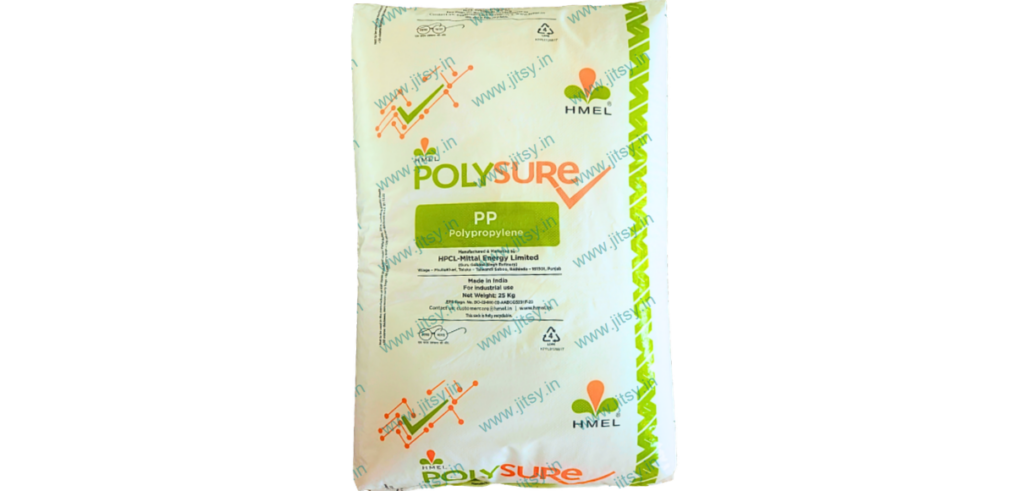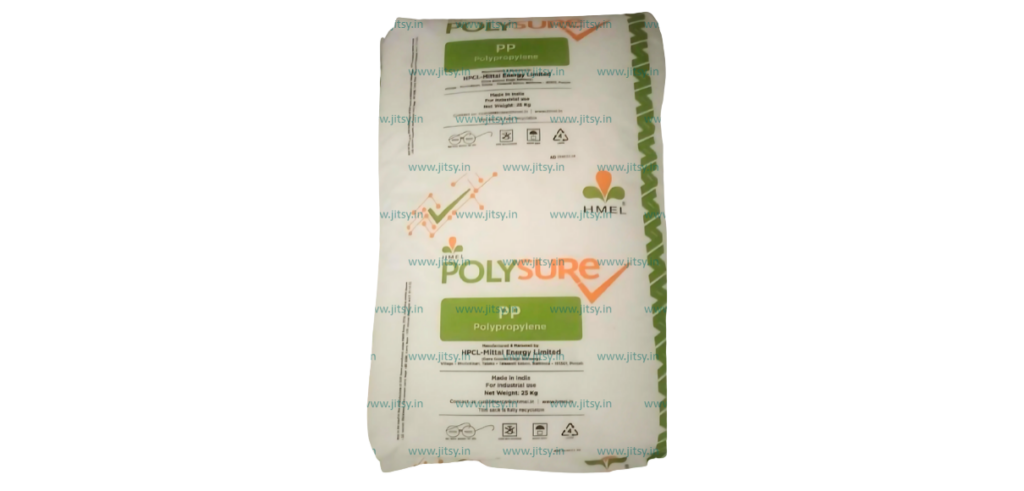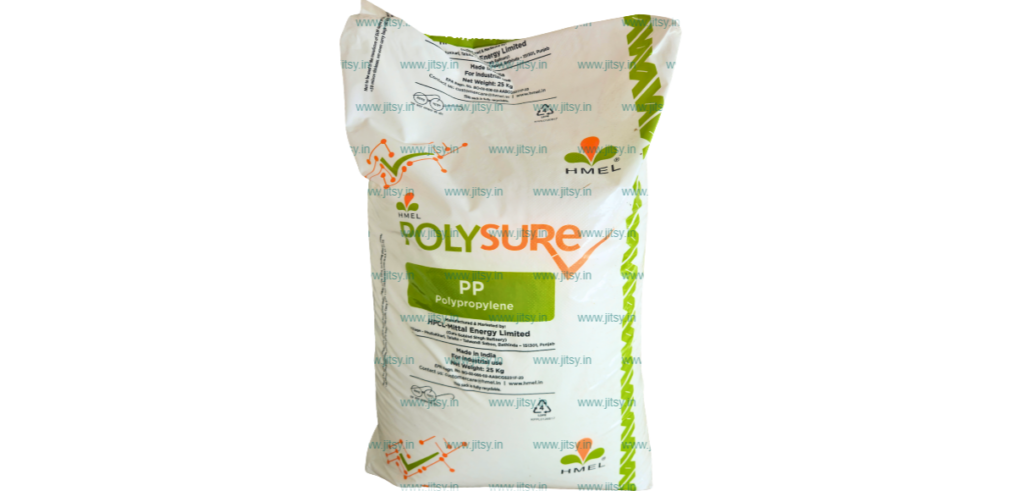
IOCL PP Propel P1030RG
IOCL PP Propel P1030RG is a prime, virgin polypropylene homopolymer resin supplied by Indian Oil Corporation Ltd. It is a natural-coloured thermoplastic polymer manufactured utilizing the advanced Spheripol II technology platform. This production process delivers a highly uniform molecular structure, minimizing structural defects and ensuring exceptionally consistent physical properties across processing batches.
Raffia extrusion plants and packaging engineers select this specific grade to achieve high-speed production stability and heavy-duty structural integrity. Its formulation is engineered to provide a balanced combination of high tensile tenacity and practical structural elongation. This ensures that the extruded plastic tapes can be stretched tightly during the drawdown phase without splitting, snapping, or introducing costly line interruptions on industrial circular looms.
Technical Specifications of P1030RG
Resin and Rheological Properties
- Melt Flow Index (MFI): 3.3 g/10 min (Tested via ASTM D1238 at 230°C with a 2.16 kg load). A controlled MFI of 3.3 indicates an optimal melt viscosity for film or tape extrusion. This structural thickness gives the molten polymer curtain enough structural stability to withstand high mechanical drawing forces before cooling.
- Density: 0.90 g/cm³ (Tested via ASTM D1505 at 23°C). The light volumetric baseline allows plastics plants to reduce individual bag weights while achieving high commercial volumetric part yields per metric ton of raw material.
Mechanical and Structural Strength
- Tensile Strength at Yield: 35 MPa (Tested via ASTM D638 at 50 mm/min). This rating confirms high structural resistance against continuous pulling loads, allowing woven fabrics to carry heavy weights without structural tearing.
- Flexural Modulus: 1550 MPa (Tested via ASTM D790 at 1.3 mm/min). This moderate-to-high stiffness rating ensures that individual woven tapes retain structural crispness and resist structural sagging under load, which optimizes flat tape alignment on industrial winders.
- Elongation at Yield: 12% (Tested via ASTM D638 at 50 mm/min). This balanced stretch allowance provides excellent drop impact protection, allowing finished industrial packaging to deform slightly under shock loads rather than rupturing.
- Notched Izod Impact Strength: 50 J/m (Tested via ASTM D256 at 23°C). This level of toughness ensures superior resistance to mechanical abuse during typical handling, transit, and automated loading operations.
Thermal Characteristics
- Heat Deflection Temperature (HDT): 95°C (Tested via ASTM D648 at 0.46 N/mm²). This broad thermal performance threshold ensures that industrial storage sacks preserve their mechanical shape and structural integrity when exposed to elevated storage environments.
- Vicat Softening Point: 156°C (Tested via ASTM D1525 under a 10 N load). This structural melting boundary protects the integrity of individual woven tapes during high-heat downstream processes like automatic hot-knife stitching or thermal sealing.
Applications and Use Cases
Woven Sacks and Stretched Tapes
This grade is highly optimized for the extrusion of high-strength stretched tapes used to weave commercial packaging bags. Its excellent low water carry-over feature is critical here, preventing water droplets from traveling out of the cooling bath and into the orienting oven. This eliminates steam pockets and uneven tape thinning, allowing plants to produce highly uniform strands for defect-free weaving.
Cement and Fertilizer Packaging
The heavy industrial sector utilizes this raw material to manufacture durable bags for transporting cement, minerals, chemical fertilizers, and heavy building polymers. The 35 MPa tensile yield ensures that the woven fabrics withstand harsh mechanical handling, stacking, and rough transport over long distribution networks. The balance of high tenacity and structural elasticity keeps container failures to an absolute minimum.
Food Grains and Industrial FIBC Packaging
This polymer is widely applied in producing bulk food grain bags and Flexible Intermediate Bulk Containers (FIBC) or jumbo bags. The clean, unadulterated homopolymer base keeps food storage safe, pure, and taint-free. The balanced mechanical toughness allows heavy jumbo sacks to support loads up to one metric ton safely, preventing unexpected failures during crane liftoff and automated depot stacking.
Processing and Handling Guidelines
Stated Processing Temperature Windows
The recommended processing temperature window for this raffia grade is established between 170°C and 230°C. Extrusion line technicians can easily adjust these temperature zones across the extruder barrel to maintain steady melt pressures, minimize thermal degradation, and optimize the drawing performance of the flat tape die.
Packaging and Storage
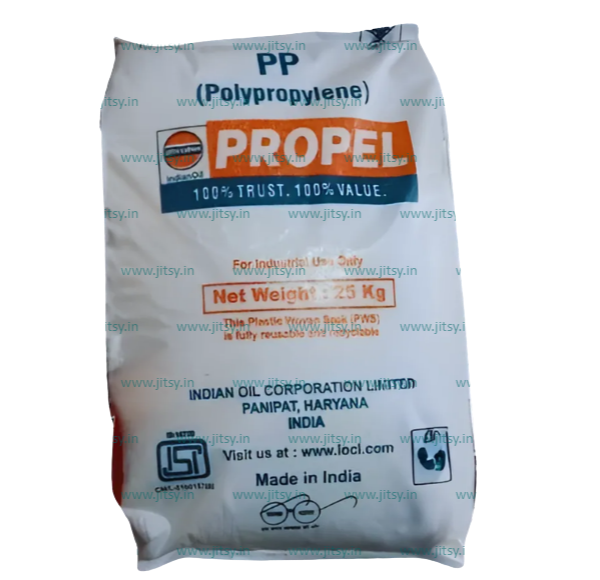
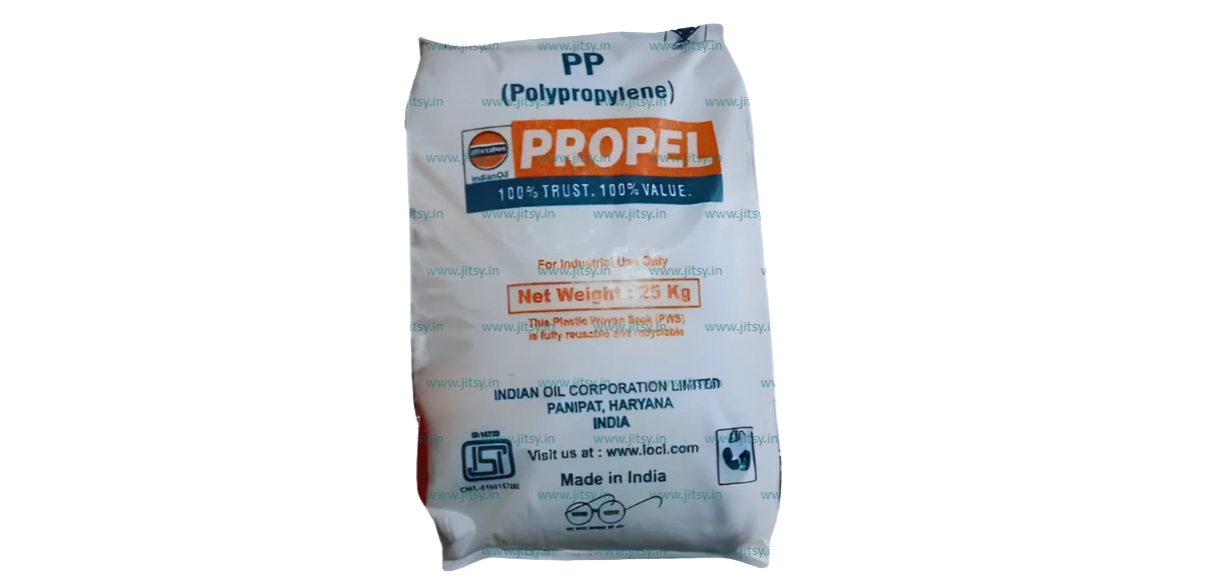
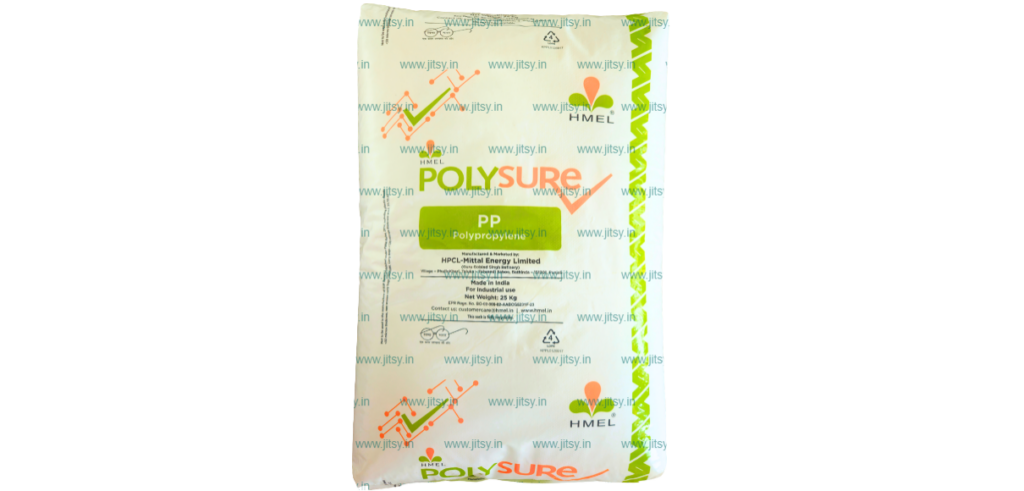
The virgin resin is supplied in heavy-duty raffia bags with a fixed net content of 25.0 kg. To preserve the base material characteristics, store the polymer pallets indoors in a clean, dust-free warehouse away from heat and direct UV sunlight. Ambient storage temperatures must remain below 50°C, and the granules should be processed within 6 months of delivery.
Compliance, Safety, and Regulatory Information
The material formulation satisfies the food-grade plastic criteria outlined in Indian Standards IS 10910 and IS 10909. Additionally, it complies with international food-contact safety frameworks specified under US FDA CFR Title 21 177.1520. This guarantees that woven fabrics produced from this resin are safe for the direct packaging and long-term storage of agricultural commodities, lentils, flour, and sugar.
Comparable Grades in India
- IOCL 1030FG: A specialized film-grade homopolymer. While it shares a similar low melt flow structure, it is formulated with distinct slip and anti-blocking additives optimized for film blowing rather than the mechanical drawing demands of the raffia tape process.
- IOCL 1110MG / 1110MAS: Specialized high-flow injection moulding resins with an MFI of 11.0. These grades lack the low-viscosity melt strength needed for tape extrusion and cannot be used for manufacturing woven fabrics.
- IOCL 1060MG / 1200MG: These are rigid injection moulding polymers designed to fill complex cavities quickly. They are completely non-equivalent to raffia grades and cannot be substituted into stretched tape extrusion lines.
- Alternative Domestic Suppliers: Other major Indian petrochemical firms offer 3.3 MFI homopolymer raffia grades. While these alternatives provide functionally comparable results for woven sacks, exact structural drawing parameters should be re-validated on the loom line before making a complete swap.
Common Search Variants
Industrial buyers looking for this product often search using variations like PP H P1030RG, PP raffia 1030RG, 1030RG PP, and 1030 RG PP. Common typographical errors found in sourcing inquiries include 1030rg, 1030-rg, p1030rg, and pp 1030r g.
Specifications
Need Technical guidance?
Why buy IOCL PP Propel P1030RG from JITSY?
- Direct import & verified sourcing
- Authorised channel–led supply
- Pan-India B2B delivery
- Transparent pricing & documentation
- Mobile app–enabled procurement
- Full compliance (RoHS, BIS/ISI, EPR, GST)
- Batch traceability
FAQs
Frequently Asked Questions
What are the main product advantages of choosing IOCL PP Propel P1030RG?
Is this polypropylene raffia grade safe for packaging bulk food grains?
Can I use the P1030RG raffia grade for standard plastic injection moulding?
How does low water carry-over help the tape extrusion process?
What is the maximum recommended storage temperature for these resin bags?
What industries rely most heavily on this specific homopolymer grade?
In what packaging configurations can industrial processors purchase this resin?
What Customers Say
You must be logged in to post a review.
Other Relevant Products Available in India
Related Articles
Circular Economy & Recycling in the Plastic Raw Material Value Chain
Expandable microspheres are small hollow beads that have a thin shell made of plastic and contain a liquid core. The liquid vaporises, the bead expands and the shell expands

How EVA Foam Material Is Used in Footwear Manufacturing
Expandable microspheres are small hollow beads that have a thin shell made of plastic and contain a liquid core. The liquid vaporises, the bead expands and the shell expands

Complete Guide to EVA Materials: Grades, Applications & Selection Tips
Expandable microspheres are small hollow beads that have a thin shell made of plastic and contain a liquid core. The liquid vaporises, the bead expands and the shell expands

How EVA Improves Adhesion in Packaging and Assembly?
Expandable microspheres are small hollow beads that have a thin shell made of plastic and contain a liquid core. The liquid vaporises, the bead expands and the shell expands
What Are Expandable Microspheres and How Are They Used in Textile Printing and PVC Footwear?
Expandable microspheres are small hollow beads that have a thin shell made of plastic and contain a liquid core. The liquid vaporises, the bead expands and the shell expands

How Small & Mid-Sized Manufacturers Can Compete Using Digital Procurement
Small and mid-sized manufacturers have never given up on competing. In the modern market, it is no longer sufficient to compete with the quality of the work and hard labour.

Why India Is Becoming a China+1 Option for Raw Material Sourcing
Businesses can no longer rely on a single nation. They currently diversify risk and seek partners who are stable. Meanwhile, the increased cost of labour in China.
Choosing the Correct Polymer for Your Manufacturing Needs: ABS vs PP vs PVC
Confusion is common when manufacturers are considering ABS vs PP vs PVC. Different polymers are suitable for different applications, with specific pros and cons.
Top Procurement Mistakes Indian Manufacturers Make While Scaling
I have seen promising Indian manufacturers grow and then struggle during scaling. Often, success itself exposes operational cracks that were previously hidden.

Raw Materials Used in Toy Manufacturing: Safety, Compliance & Cost Factors
The materials used in toy manufacturing can impact the safety of children and the reputation of the company. There are multiple documented cases where improper material selection has led to recalls, litigation, and severe financial damage to toy manufacturers.

Choosing the Right Polymer Grades for Injection Molding
Purchasing the wrong polymer grade for injection molding can directly result in product failure, high rejection rates, or field performance issues. Different applications require vastly different material characteristics.

How Digital Procurement Platforms Reduce Raw Material Fraud
Raw material fraud is a frequent issue in conventional procurement. It usually happens due to the lack of supplier verification, the absence of records, and low levels of transparency. In manual systems, it is hard and time-consuming to keep track of materials.
How Crude Oil Prices Impact Plastic Raw Material Costs in India
Crude oil plays a powerful role in the worldwide plastic industry & India is no exception. Most of the plastic raw materials, like PE, PP, and PVC, are extracted from petrochemicals sourced from crude oil.
The Great Procurement Divide: Why Your Best Engineers Make Your Worst Buyers
Walk into any manufacturing facility across India—from PVC pipe makers in Gujarat to automotive component manufacturers in Chennai—and you’ll hear this logic echoed in boardrooms and production floors alike.
Copy-Paste vs. Innovation
Is playing it safe actually the riskiest strategy? The uncomfortable truth about innovation avoidance in Indian manufacturing
The Credit Cycle Shift: Why 30-Day Payments Are Winning Hearts (and Wallets)
If you’ve ever done business in India, you know this vibe. Long credit terms weren’t just about money—they were about trust, connection, and that warm cup of chai shared over a handshake deal. You’d walk into your supplier’s office, chat about life, and walk out with goods worth lakhs, no questions asked.

Reviews
Clear filtersThere are no reviews yet.