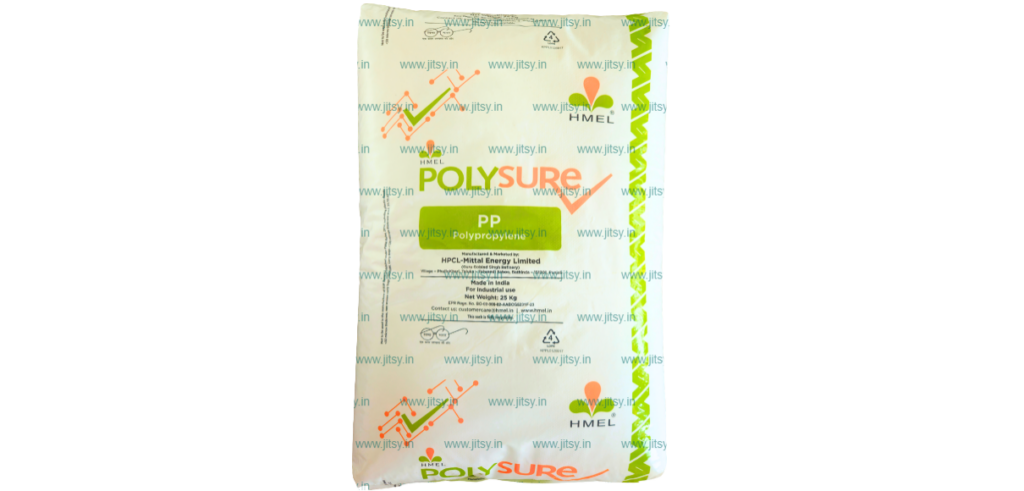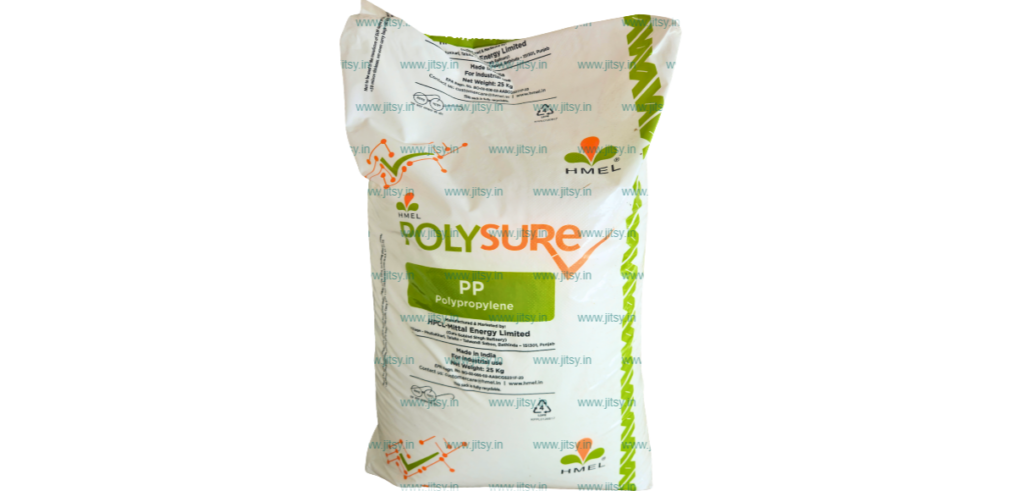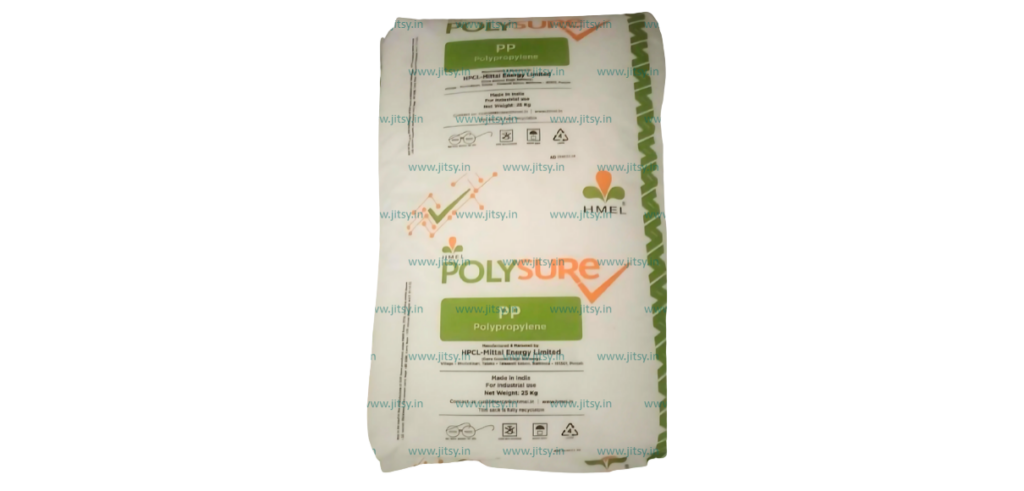
IOCL PP Propel 1350EG

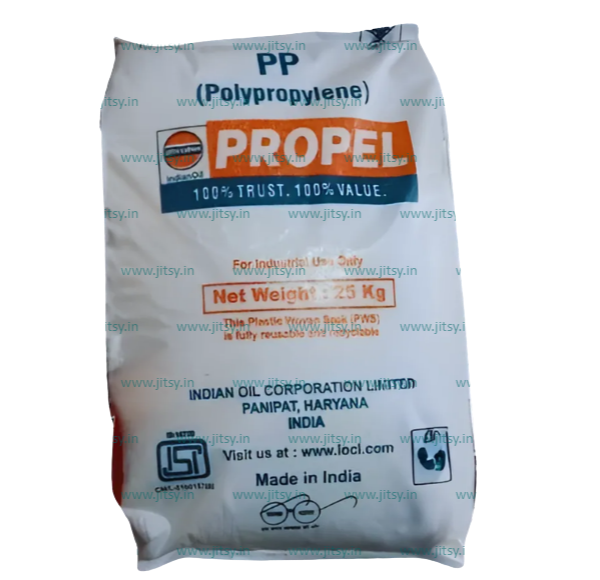
IOCL PP Propel 1350EG is a natural-colored polypropylene homopolymer extrusion coating grade developed by Indian Oil Corporation Limited under the PROPEL brand for lamination, extrusion coating, and coating on PP raffia fabrics and related substrates. Produced using Spheripol II technology, this grade is designed for processors who need excellent flow characteristics, low neck-in, good processability, superior surface finish, and strong adhesion performance on commercial coating lines. For buyers searching for IOCL PP Propel 1350EG, P1350EG extrusion coating grade, polypropylene homopolymer for lamination, or PP coating grade for raffia fabric and paper in India, this is a highly relevant and application-specific resin.

IndianOil is one of India’s leading petrochemical producers, and its PROPEL polypropylene portfolio covers film, raffia, injection moulding, fiber, and extrusion coating applications. Within that portfolio, 1350EG is positioned specifically for extrusion coating and lamination rather than for fiber spinning, BOPP film, or woven sack tape extrusion. That distinction matters because coating applications require a different balance of melt flow, adhesion behavior, neck-in control, and surface finish than other polypropylene processing routes. Propel 1350EG is assigned to those exact needs.

Technical Insights and Material Performance

IOCL PP Propel 1350EG has a melt flow index of 35 g/10 min at 230°C/2.16 kg, which places it in a high-flow category suitable for extrusion coating and lamination processes. This flow profile is especially important in coating applications because it supports smooth melt spread, better coating uniformity, and efficient operation on high-speed coating lines. For processors, this high MFI is one of the key reasons the grade is selected for coating rather than for applications such as raffia tape extrusion or standard film production.

Typical mechanical and thermal values include tensile strength at yield of 35 MPa, elongation at yield of 9 percent, flexural modulus of 1500 MPa, notched Izod impact strength of 22 J/m at 23°C, heat deflection temperature of 95°C, and Vicat softening point of 150°C. These values indicate a balanced stiffness and thermal profile that supports the grade’s coating-focused application role. In commercial selection, however, the most important value of 1350EG lies in its coating behavior rather than standalone molded-part properties.

The grade is specifically described as offering excellent flow characteristics, low neck-in, good processability, superior surface finish, and excellent adhesion to substrates. These are highly valuable traits in extrusion coating. Low neck-in helps maintain better width control and reduces edge waste. Good adhesion improves laminate integrity and coating bond quality. Superior surface finish supports printability, appearance, and final packaging performance. Strong processability helps converters maintain line efficiency and reduce instability during production.

For coating and lamination processors, these benefits directly affect output quality, material utilization, and downstream converting performance. That is why 1350EG is commercially attractive for woven sack lamination, paper coating, and industrial packaging structures where coating precision and bond performance matter.

Processing Relevance and Coating-Line Fit

Propel 1350EG is designed for extrusion coating and lamination lines where stable melt flow, substrate bonding, and controlled neck-in are essential. In practical terms, this makes it suitable for coating onto PP raffia fabrics, paper, HDPE, and other compatible substrates used in packaging and industrial laminate structures.

For processors, the value of 1350EG lies in how its flow and adhesion profile translate into real production benefits. A coating-grade polypropylene must not only run smoothly through the extruder, but also deliver uniform coating, maintain width control, and support strong laminate performance. That is exactly where 1350EG is positioned.

Compliance and Packaging Confidence

Propel 1350EG is associated with IS 10910, IS 10909, and FDA CFR 21 177.1520 references in technical and market documentation. This strengthens its relevance for coated packaging applications where food-contact aligned material selection and regulatory confidence matter.

For buyers in food packaging, pharmaceutical packaging, drinking water-related packaging, and industrial laminate applications, this compliance positioning adds another layer of trust. It supports the grade’s use not only as a technically capable coating resin, but also as a commercially acceptable material for more sensitive packaging environments.

Applications and Industry Use Cases

Extrusion Coating on PP Raffia Fabrics

IOCL PP Propel 1350EG is highly suitable for extrusion coating on PP raffia fabrics used in laminated woven sacks and industrial packaging. In these applications, processors need a coating-grade polypropylene that can spread uniformly, bond well to the substrate, and maintain low neck-in for efficient width utilization. The grade’s flow and adhesion profile make it a strong fit for this segment.

Woven Sack Lamination

One of the most important application areas for 1350EG is woven sack lamination for cement, chemicals, fertilizers, food grains, and polymer packaging. These applications require coated woven structures with strong laminate bonding, good surface finish, and reliable production efficiency. The grade is positioned to support exactly these needs in commercial sack-lamination lines.

Paper Coating and Lamination

1350EG is also relevant for paper coating and paper-based lamination structures where moisture resistance, surface quality, and coating consistency are important. In these applications, the grade’s high flow and adhesion behavior help support uniform coating and dependable laminate performance for packaging and industrial end uses.

Flexible Packaging and Industrial Laminates

The grade can be used in flexible packaging and industrial laminate applications where converters need a PP homopolymer coating resin with strong processability and good substrate compatibility. This includes multilayer packaging structures and coated materials used in industrial handling and transport applications.

Food and Pharma Packaging Structures

Because of its compliance positioning, 1350EG is commercially attractive for coated packaging structures used in food, pharmaceutical, and related regulated applications. In these segments, processors often need a material that combines coating performance with documentation confidence, and this grade supports both requirements.

Performance Advantages of IOCL PP Propel 1350EG

The biggest advantage of 1350EG is its high-flow coating behavior, which supports smooth extrusion coating and lamination performance on commercial lines. Many PP homopolymer grades may be available in the market, but not all are optimized for low neck-in, substrate adhesion, and surface finish in coating applications. 1350EG is selected because it addresses those exact needs.

Its low neck-in is a major commercial benefit. In coating operations, better width control can reduce waste and improve material efficiency. This is especially valuable on high-speed lines where even small improvements in edge control can affect overall economics.

The grade’s strong adhesion and superior surface finish add further value. Good bonding helps improve laminate integrity, while clean surface quality supports appearance and downstream printing or conversion. Combined with solid processability, these features make 1350EG a practical and technically relevant choice for extrusion coating and lamination processors.

Comparable Alternatives and Grade Selection Analysis

Within the IOCL PROPEL portfolio, 1350EG is best understood as a dedicated extrusion coating and lamination grade rather than a film, raffia, or fiber-grade polypropylene. Even though it shares a high-flow profile with grades such as 1350YG, the application family is completely different. 1350YG is designed for fiber spinning and fine-denier yarn production, while 1350EG is designed for coating and substrate lamination. This distinction is critical because buyers sometimes compare grades by MFI alone, but the intended process route determines the correct selection.

Compared with raffia grades such as 1030RG or P1045RG, 1350EG is not intended for stretched tapes or woven fabric production. Instead, it is used after the raffia fabric stage, where coating and lamination performance become the priority. That makes it especially relevant for processors producing coated woven sacks and laminated industrial packaging.

Against comparable extrusion coating grades from Reliance, HMEL, and other Indian suppliers, IOCL PP Propel 1350EG competes on domestic availability, high-flow coating suitability, low neck-in behavior, adhesion performance, and application relevance for raffia and paper lamination. For Indian converters looking for a PP homopolymer coating grade for packaging and industrial laminate structures, 1350EG is a strong and technically differentiated option.

CAS Number

HSN Code

Need Technical guidance?

Access free official copy of Technical Data Sheet published by Manufacturer

Why buy IOCL PP Propel 1350EG from JITSY?

  • Direct import & verified sourcing
  • Authorised channel–led supply
  • Pan-India B2B delivery
  • Transparent pricing & documentation
  • Mobile app–enabled procurement
  • Full compliance (RoHS, BIS/ISI, EPR, GST)
  • Batch traceability

FAQs

Frequently Asked Questions

What is IOCL PP Propel 1350EG mainly used for?
1350EG is mainly used for extrusion coating on PP raffia fabrics, woven sack lamination, paper coating, and related packaging laminate applications. It is designed for processors who need a polypropylene homopolymer grade suited to coating and bonding rather than film or fiber production.
It has a high-flow profile and is positioned for low neck-in, good adhesion, and smooth coating performance. In practical terms, this makes it suitable for coating lines where width control, substrate bonding, and surface finish are important.
Yes, this is one of its core applications. It is especially relevant for coating PP raffia fabrics used in laminated woven sacks for cement, food grains, chemicals, and industrial packaging.
1350EG is an extrusion coating grade for lamination and substrate coating, while 1350YG is a fiber grade for fine-denier multifilament and BCF yarn. Even though both are high-flow PP homopolymers, they are designed for completely different conversion processes.
Yes, it is commercially relevant for food-contact aligned coated packaging structures because it is associated with compliance references such as IS 10910, IS 10909, and FDA 177.1520 in market documentation.
Low neck-in means the molten coating layer maintains better width during extrusion coating. For processors, this helps improve coating coverage, reduce edge waste, and support more efficient use of material on the line.
Buyers should review the substrate type, coating line setup, adhesion requirements, width-control expectations, and final packaging application. If the process involves extrusion coating or lamination on raffia, paper, or similar substrates, 1350EG is generally a strong fit.

What Customers Say

0 reviews
0
0
0
0
0

There are no reviews yet.

Be the first to review “IOCL PP Propel 1350EG”

Related Articles