


Other Relevant Products Available in India


Raw Materials Used in Toy Manufacturing: Safety, Compliance & Cost Factors
The materials used in toy manufacturing can impact the safety of children and the reputation of the company. There are multiple documented cases where improper material selection has led to recalls, litigation, and severe financial damage to toy manufacturers.


Choosing the Right Polymer Grades for Injection Molding
Purchasing the wrong polymer grade for injection molding can directly result in product failure, high rejection rates, or field performance issues. Different applications require vastly different material characteristics.


How Digital Procurement Platforms Reduce Raw Material Fraud
Raw material fraud is a frequent issue in conventional procurement. It usually happens due to the lack of supplier verification, the absence of records, and low levels of transparency. In manual systems, it is hard and time-consuming to keep track of materials.
How Crude Oil Prices Impact Plastic Raw Material Costs in India
Crude oil plays a powerful role in the worldwide plastic industry & India is no exception. Most of the plastic raw materials, like PE, PP, and PVC, are extracted from petrochemicals sourced from crude oil.

The Great Procurement Divide: Why Your Best Engineers Make Your Worst Buyers
Walk into any manufacturing facility across India—from PVC pipe makers in Gujarat to automotive component manufacturers in Chennai—and you’ll hear this logic echoed in boardrooms and production floors alike.
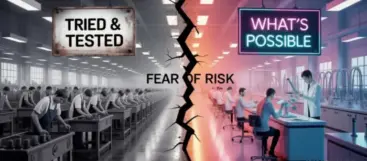
Copy-Paste vs. Innovation
Is playing it safe actually the riskiest strategy? The uncomfortable truth about innovation avoidance in Indian manufacturing
The Credit Cycle Shift: Why 30-Day Payments Are Winning Hearts (and Wallets)
If you’ve ever done business in India, you know this vibe. Long credit terms weren’t just about money—they were about trust, connection, and that warm cup of chai shared over a handshake deal. You’d walk into your supplier’s office, chat about life, and walk out with goods worth lakhs, no questions asked.

The Great Inventory Debate
When COVID hit, I think all of us felt something shift in how we think about supply chains. It wasn’t just disruption. It was exposure. What we thought was working… suddenly wasn’t. Containers stuck. Prices all over the place. Buyers unsure. And for many manufacturers—raw material just wasn’t there when it was needed.

The 0.1% That Destroys the 99.9%: Why Documentation in B2B Trade Isn’t Optional Anymore
this is how businesses have functioned. Fast, informal, and based on mutual trust. And in 99.9% of the cases, it works. Goods are delivered, payments are made, and relationships grow stronger.
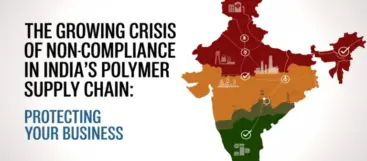
The Growing Crisis of Non-Compliance in India’s Polymer Supply Chain: Protecting Your Business
The Growing Crisis of Non-Compliance in India’s Polymer Supply Chain: Protecting Your Business
Complete Documentation Isn’t Optional – It’s Critical
Their prices are surprisingly competitive – sometimes 3-5% below market rates. Your production costs look great on paper. But six months later, you receive a notice from the GST department that sends a chill down your spine: your input tax credits are being reversed, with interest and penalties.

5 Ways to Optimise Your Polymer Supply Chain
With raw material costs fluctuating, logistics challenges mounting, and quality expectations rising, manufacturers need concrete strategies to optimise their polymer procurement process.

The Identity Crisis in Indian Manufacturing: Are We Building Products or Programming Them?
When a textile manufacturer in Surat recently won a major international contract, they didn’t credit their superior fabric quality. Their winning edge? “We’re not a textile company,” the CEO declared. “We’re a technology company that happens to make textiles.”
The Great Manufacturing Paradox: Why ‘Made in India’ Could Mean ‘Made By No One’
The Hidden Cost of Perfect Efficiency
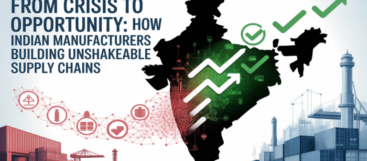
From Crisis to Opportunity: How Indian Manufacturers Are Building Unshakeable Supply Chains
It’s not about massive machinery or sprawling factory floors – it’s about something far more fundamental: the way manufacturers are reimagining their supply chains.
Decoding Polymer Raw Material Pricing: Understanding the Complex World of Polymer Economics in 2025
Welcome to the intricate, often bewildering world of polymer raw material pricing – a landscape so complex that even seasoned professionals find it challenging to navigate.
Reviews
Clear filtersThere are no reviews yet.