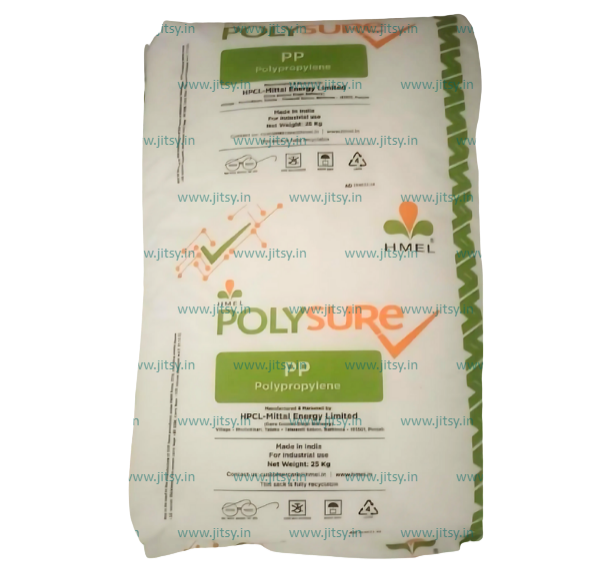
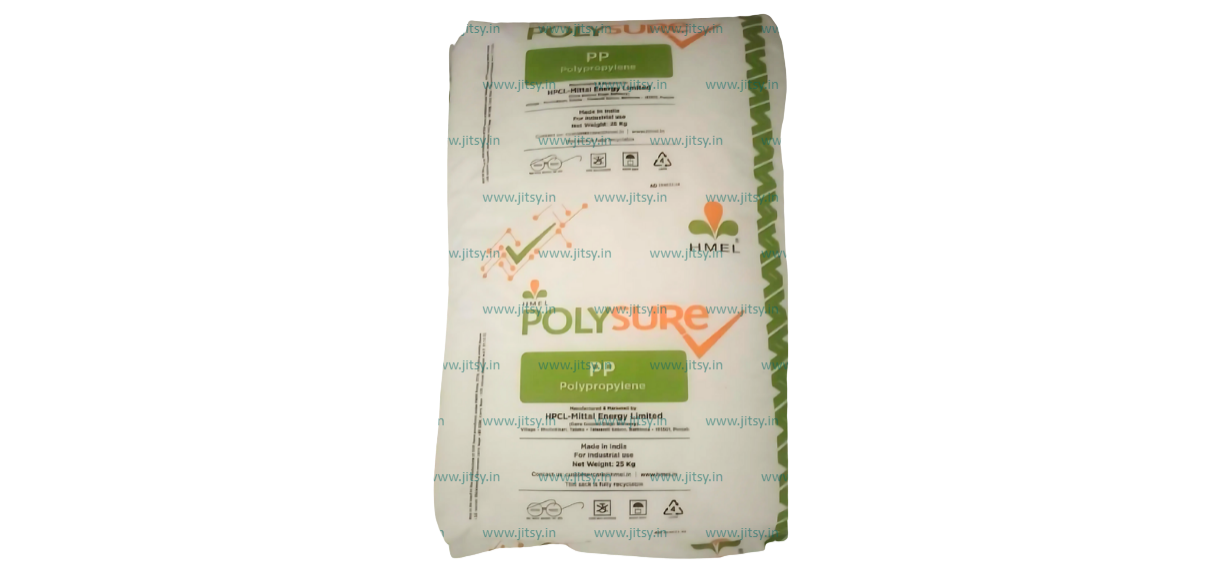
HMEL Polysure TF06RE is a polypropylene terpolymer engineered as the heat-seal skin layer in biaxially oriented polypropylene (BOPP) films for flexible packaging. Manufactured using HMEL’s advanced Spheripol-II technology, TF06RE combines low seal initiation temperature, superior optical properties, and stable processability on modern high-speed BOPP lines. This specification-driven resin is trusted by converters and packaging brands across India and Asia for snack food, bakery, confectionery, and industrial packaging applications where heat-sealability, clarity, and compliance are non-negotiable.
Technical Insights & Industry Authority
Polysure TF06RE’s semi-crystalline terpolymer structure delivers a critical balance between low seal initiation temperature (~110°C) and high melting point, enabling efficient sealing on vertical form-fill-seal (FFS) and flow-wrap machines without compromising film clarity or hot-tack strength. The integrated antiblock additive package improves film handling and winding while maintaining excellent processability across the full extrusion temperature window (230–280°C).
The terpolymer design—distinct from generic random copolymers—provides superior comonomer distribution, resulting in consistent melt flow (MFI 6.0 g/10 min) and uniform seal performance across production runs. Advanced catalyst technology ensures minimal impurities and stable thermal behavior, supporting high line speeds (300+ m/min on modern tenter-frame BOPP lines) without gauge variation or seal defects.
Applications & Industry Use Cases
Heat-Seal Skin Layer in Transparent BOPP Films
TF06RE is engineered specifically for the heat-seal layer of transparent BOPP film structures used in flexible packaging. Its low seal initiation temperature allows converters to seal at lower jaw temperatures or shorter dwell times, reducing energy consumption and enabling faster line speeds. The terpolymer’s excellent hot-tack strength ensures strong seals even at the edge of the sealing window, critical for high-speed FFS and flow-wrap applications where seal consistency directly impacts production yield and pack integrity.
Flexible Packaging for Snacks, Bakery & Confectionery
Snack food packaging—including chips, namkeen, biscuits, and chocolate bars—relies on heat-sealable BOPP films for shelf appeal and product protection. TF06RE delivers the gloss and clarity that premium snack brands demand, while its low SIT enables efficient sealing on vertical-FFS lines running at 100+ packs/minute. The resin’s food-contact compliance and stable seal performance across temperature fluctuations make it ideal for both ambient and chilled snack applications.
Form-Fill-Seal (FFS) and Shrinkable Co-Extruded BOPP Structures
Modern vertical-FFS machines require seal-layer resins that balance low sealing temperature with wide hot-tack window and minimal sticking. TF06RE meets these demands, enabling converters to optimize cycle times and reduce scrap. For shrinkable co-extruded BOPP films—used in high-shrink wraps, tamper-evident overwraps, and specialty packs—TF06RE’s thermal stability supports the annealing and shrinking processes while maintaining seal integrity and optical clarity.
Industrial, Pharmaceutical & Personal Care Overwraps
Beyond FMCG, TF06RE is specified for pharmaceutical blister overwraps, tissue and wipe packs, diaper and sanitary product overwraps, and industrial packaging where gloss, clarity, and reliable heat-sealing are essential. Its compliance with food and pharma standards, combined with excellent processability, makes it a go-to grade for converters serving regulated industries.
Performance Advantages in BOPP Structures
Low Seal Initiation Temperature & Wide Sealing Window
TF06RE’s SIT of approximately 110°C is significantly lower than generic PP random copolymers (typically 130–150°C), enabling converters to reduce jaw temperature and dwell time. This translates to energy savings, faster line speeds, and a wider sealing window—critical for maintaining seal strength even when line conditions vary. The combination of low SIT with high hot-tack strength ensures reliable seals across the full operating range without edge sticking or weak seals.
Optical Quality: Clarity, Gloss & Transparency
The terpolymer’s molecular design and HMEL’s Spheripol-II process technology deliver exceptional optical properties. TF06RE provides high gloss (>90 ASTM D2457) and outstanding clarity, enabling premium visual presentation for consumer-facing packages. This optical advantage is particularly valuable for transparent BOPP films where product visibility and shelf impact drive purchasing decisions.
Line Productivity & High-Speed Processing
TF06RE’s balanced melt flow and thermal stability support consistent extrusion on modern tenter-frame BOPP lines operating at 300+ m/min. The resin’s uniform processability minimizes gauge variation, die pressure fluctuations, and line stoppages, directly improving production efficiency and reducing waste. Converters report stable film formation, consistent seal performance, and reliable winding across extended production runs.
Compliance, Safety & Regulatory Details
Food-Contact & Drinking-Water Compliance
TF06RE is manufactured to meet IS 10910 specifications for polypropylene in direct food contact, including foodstuff, pharmaceutical, and drinking-water applications. Its additive package complies with the positive list outlined in IS 16738:2018 (Plastics – Additives for use in food-contact materials) and aligns with FDA CFR 21 §177.1520 (Olefin polymers). This multi-standard compliance enables global market access for converters serving food, pharma, and beverage brands.
Storage, Handling & Safety
Store TF06RE in a cool, dry environment (15–25°C, <65% relative humidity) in original sealed bags to prevent moisture absorption and oxidation. Avoid prolonged exposure to direct sunlight or heat sources. Standard industrial hygiene practices apply; consult the Safety Data Sheet (SDS) for detailed handling and emergency procedures. No special disposal requirements; TF06RE is recyclable as post-consumer and post-industrial polypropylene waste.
Processing Guidelines for BOPP Film Lines
Recommended Extrusion Temperature Profile
Maintain barrel temperatures in the range of 230–280°C, with typical settings around 250–270°C for skin-layer extrusion. Gradual temperature rise from hopper to die prevents thermal degradation and ensures stable melt viscosity. Monitor die temperature closely; excessive heat can reduce seal strength and increase extractables, while insufficient heat may cause gauge variation and poor film formation.
Quench, Orientation & Annealing Considerations
Cool the extruded film to approximately 10–15°C below the extrusion temperature using chilled water or air quench systems. Proper quenching locks in film crystallinity and improves optical properties. During biaxial orientation (machine direction and transverse direction stretching), maintain controlled temperature and stretch ratios to achieve balanced mechanical properties and seal performance. Post-orientation annealing at 100–120°C stabilizes dimensions and enhances heat resistance.
Tips for Optimizing Seal Strength & Hot-Tack
To maximize seal performance, ensure consistent jaw temperature (typically 120–140°C for TF06RE) and dwell time (50–150 ms, depending on line speed and film thickness). Maintain even pressure across the sealing jaw to prevent edge sticking or weak seals. Regular jaw cleaning and maintenance prevent contamination-related seal defects. Monitor seal strength using standard hot-tack and seal-strength tests (ASTM F88, ASTM D6775) to validate process stability.
Why Choose TF06RE Over Other BOPP Seal-Layer Resins
TF06RE vs Generic PP Random Copolymers
Random copolymers (PP-R) used in BOPP seal layers typically offer lower cost but require higher sealing temperatures (130–150°C) and narrower hot-tack windows. TF06RE’s terpolymer structure delivers lower SIT (~110°C), wider sealing window, and superior hot-tack strength—enabling faster line speeds, energy savings, and fewer seal defects. For converters running high-speed FFS or flow-wrap lines, TF06RE’s performance advantage justifies the grade premium.
TF06RE vs Coated Heat-Seal BOPP Films
Some converters use coated BOPP films with applied heat-seal layers (e.g., wax or polymer coatings) to achieve low-temperature sealing. While coatings can lower SIT, they add cost, complexity, and environmental concerns. TF06RE achieves comparable or superior seal performance through inherent resin chemistry, eliminating coating steps and enabling full recyclability. Additionally, TF06RE’s integrated antiblock package improves film handling without additional surface treatments.
TF06RE vs Global Terpolymer Grades (INEOS, Borealis, COSMOPLENE)
Competing terpolymer grades (e.g., INEOS Eltex P KV309, Borealis TD310BF, COSMOPLENE FS5612) offer similar technical profiles but differ in supply footprint, lead times, and regional support. TF06RE is manufactured by HMEL, a major Indian PP producer with significant capacity and established distribution across Asia. For converters in India and neighboring regions, TF06RE provides comparable performance with shorter lead times, lower logistics costs, and dedicated technical support from HMEL’s application team.
Ordering, Packaging & Logistics
Supply Footprint & Lead Time Highlights
TF06RE is stocked at distribution centers across North India (Delhi, Haryana, UP), West India (Gujarat, Maharashtra), and select locations in South and East India. Standard lead time is 3–5 working days from order confirmation for ex-stock deliveries. Bulk orders and custom specifications may require 7–10 working days. Pan-India dispatch is supported by 50+ logistics partners with 24-hour delivery guarantees to major industrial hubs.
Technical Support & Trials for BOPP Film Makers
Dedicated technical support is available to assist converters with grade selection, process optimization, and on-site line trials. HMEL’s application engineers can provide guidance on extrusion parameters, seal-strength testing, and troubleshooting. Sample quantities (10–50 kg) are available for trial runs on existing BOPP lines, enabling converters to validate performance before bulk orders.





















Reviews
Clear filtersThere are no reviews yet.