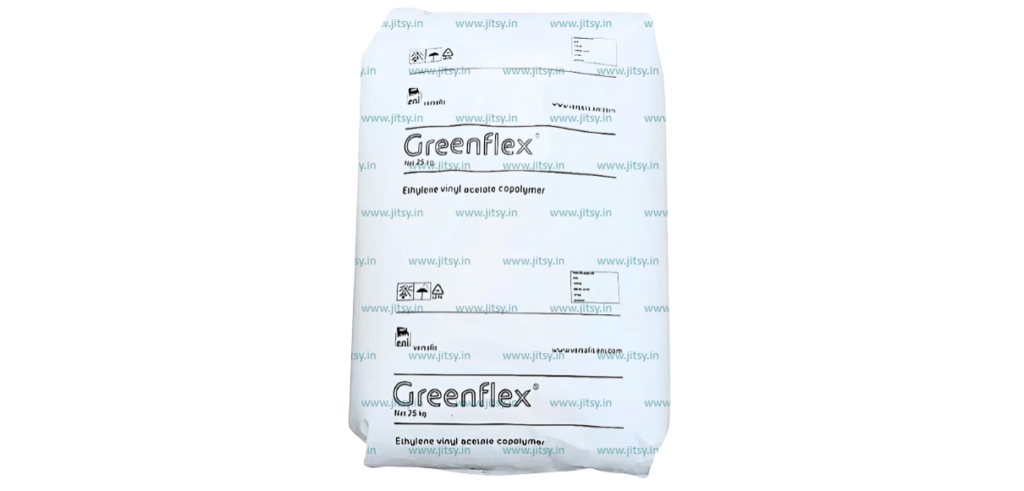
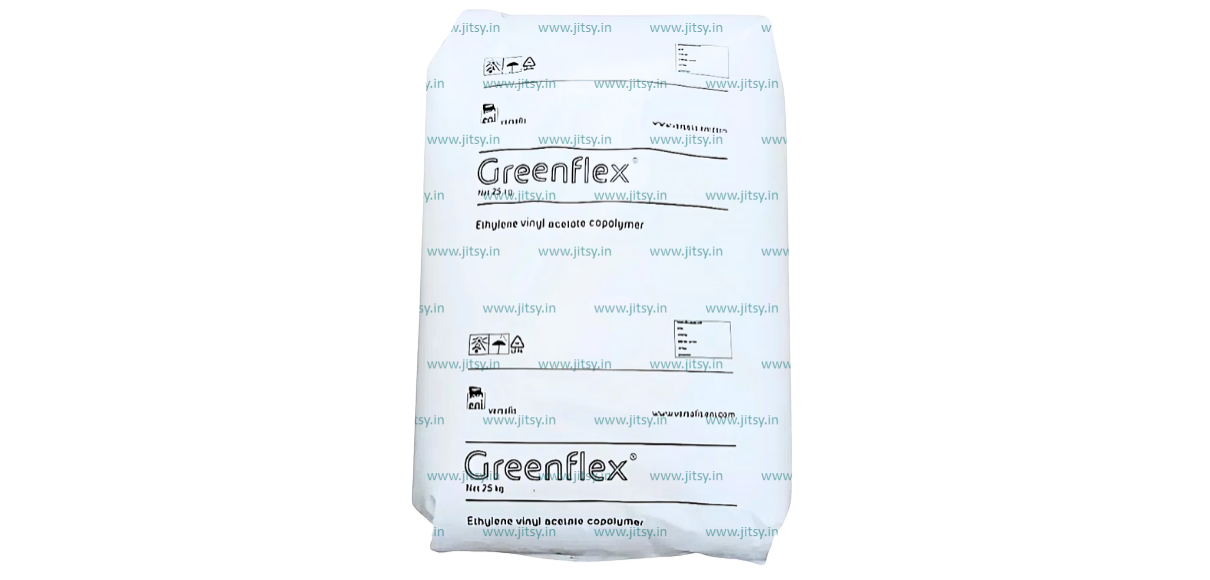
Greenflex EVA ML50
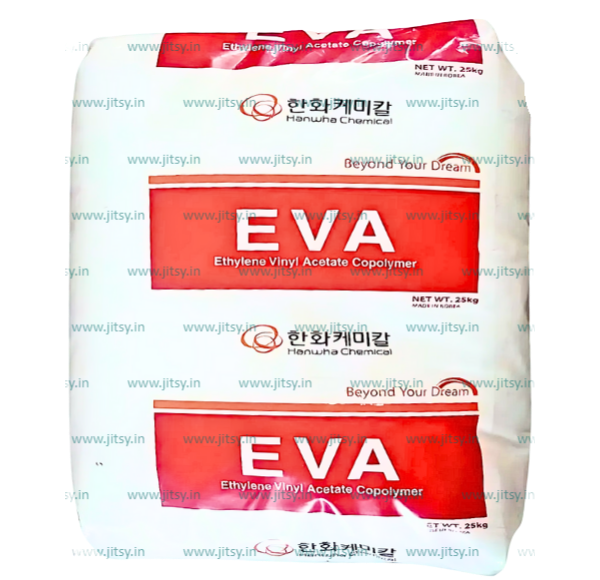
Greenflex® ML50, produced by Versalis S.p.A. (ENI subsidiary, Italy), is a premium ethylene-vinyl acetate (EVA) copolymer designed for high-performance crosslinked foam applications. With 19% vinyl acetate, melt flow rate 2.5 g/10 min, density 0.941 g/cm³, Shore 89A/36D, and brittleness < -80°C, ML50 stands out for its exceptional elasticity, ultra-low temperature toughness, and reliable processability.
Greenflex ML50 is engineered for injection moulding, compounding, and extrusion, excelling in foamed and crosslinked sheet production for footwear, toys, shock absorbers, and gaskets. Its superior softness, flexibility, and resilience make it the material of choice for Indian footwear manufacturers, toy makers, elastomeric product designers, and industrial cushioning converters seeking consistent, EU-compliant, branded EVA with traceable Italian pedigree.
Functional Features & Technical Authority
- High Vinyl Acetate Content (19% VA): Delivers outstanding softness, flexibility, and elasticity-superior to standard 18% VA EVAs for comfort and rebound.
- Optimized for Foam Compounding: MFR 2.5 g/10 min enables uniform dispersal of crosslinkers, blowing agents, fillers, and pigments, supporting stable, high-quality foam cell structure.
- Ultra-Low-Temperature Toughness: Brittleness < –80°C ensures foamed products remain flexible and resilient in winter, freezer storage, and harsh climates-outperforming standard EVA grades.
- Soft Yet Mechanically Robust: Shore D 36 (soft feel) and flexural modulus 40 MPa strike the ideal balance between comfort and structural integrity for soles, pads, and elastomeric components.
- Superior Elasticity & Shock Absorption: High elasticity and low compression set make ML50 perfect for cushioning, impact absorption, and vibration damping in demanding footwear and industrial applications.
- Easy Processing: Readily processable on standard injection moulding, compounding, and extrusion equipment-no special modifications needed.
- Premium Italian Quality: Produced by Versalis (ENI), ISO-certified, with traceable manufacturing and consistent global supply.
- Food Contact & Toy Safety Compliance: EU and FDA-compliant for food contact; non-toxic, suitable for toys and child-contact products (certificates available upon request).
Applications
Foamed & Crosslinked Shoe Soles:
Greenflex ML50 is the gold standard for athletic and casual shoe midsoles, insoles, and comfort soles-delivering unmatched softness, elasticity, and cold-weather resilience. Its 19% VA content and soft Shore D 36 rating ensure every step is cushioned, flexible, and durable, even in extreme climates.
Toys, Dolls & Soft Play Products:
ML50’s high elasticity and non-toxicity make it ideal for soft foam toy bodies, dolls, puzzle mats, and playroom products. Products remain squeezable and safe in winter or cold storage, meeting strict child-safety and toy compliance standards.
Shock Absorbers & Vibration Damping:
Engineered for vibration dampening pads, shock-absorbing layers, elastomeric gaskets, and industrial seals, ML50 combines tensile yield (4.5 MPa) and flexural modulus (40 MPa) for reliable energy absorption and long-term durability.
General EVA Foam & Industrial Compounding:
Used in foam sheets, blocks, custom elastomeric compounds, and as a modifier resin to boost flexibility and impact resistance in blends for technical and industrial products.
Key Application Highlights:
- Athletic/casual shoe midsoles, insoles, comfort soles
- Toys, dolls, puzzle mats, soft playroom products
- Shock absorbers, vibration pads, elastomeric gaskets/seals
- Industrial foam sheets, blocks, custom compounds
Greenflex EVA ML50
Greenflex® ML50, produced by Versalis S.p.A. (ENI subsidiary, Italy), is a premium ethylene-vinyl acetate (EVA) copolymer designed for high-performance crosslinked foam applications. With 19% vinyl acetate, melt flow rate 2.5 g/10 min, density 0.941 g/cm³, Shore 89A/36D, and brittleness < -80°C, ML50 stands out for its exceptional elasticity, ultra-low temperature toughness, and reliable processability.
Greenflex ML50 is engineered for injection moulding, compounding, and extrusion, excelling in foamed and crosslinked sheet production for footwear, toys, shock absorbers, and gaskets. Its superior softness, flexibility, and resilience make it the material of choice for Indian footwear manufacturers, toy makers, elastomeric product designers, and industrial cushioning converters seeking consistent, EU-compliant, branded EVA with traceable Italian pedigree.
Functional Features & Technical Authority
- High Vinyl Acetate Content (19% VA): Delivers outstanding softness, flexibility, and elasticity-superior to standard 18% VA EVAs for comfort and rebound.
- Optimized for Foam Compounding: MFR 2.5 g/10 min enables uniform dispersal of crosslinkers, blowing agents, fillers, and pigments, supporting stable, high-quality foam cell structure.
- Ultra-Low-Temperature Toughness: Brittleness < –80°C ensures foamed products remain flexible and resilient in winter, freezer storage, and harsh climates-outperforming standard EVA grades.
- Soft Yet Mechanically Robust: Shore D 36 (soft feel) and flexural modulus 40 MPa strike the ideal balance between comfort and structural integrity for soles, pads, and elastomeric components.
- Superior Elasticity & Shock Absorption: High elasticity and low compression set make ML50 perfect for cushioning, impact absorption, and vibration damping in demanding footwear and industrial applications.
- Easy Processing: Readily processable on standard injection moulding, compounding, and extrusion equipment-no special modifications needed.
- Premium Italian Quality: Produced by Versalis (ENI), ISO-certified, with traceable manufacturing and consistent global supply.
- Food Contact & Toy Safety Compliance: EU and FDA-compliant for food contact; non-toxic, suitable for toys and child-contact products (certificates available upon request).
Applications
Foamed & Crosslinked Shoe Soles:
Greenflex ML50 is the gold standard for athletic and casual shoe midsoles, insoles, and comfort soles-delivering unmatched softness, elasticity, and cold-weather resilience. Its 19% VA content and soft Shore D 36 rating ensure every step is cushioned, flexible, and durable, even in extreme climates.
Toys, Dolls & Soft Play Products:
ML50’s high elasticity and non-toxicity make it ideal for soft foam toy bodies, dolls, puzzle mats, and playroom products. Products remain squeezable and safe in winter or cold storage, meeting strict child-safety and toy compliance standards.
Shock Absorbers & Vibration Damping:
Engineered for vibration dampening pads, shock-absorbing layers, elastomeric gaskets, and industrial seals, ML50 combines tensile yield (4.5 MPa) and flexural modulus (40 MPa) for reliable energy absorption and long-term durability.
General EVA Foam & Industrial Compounding:
Used in foam sheets, blocks, custom elastomeric compounds, and as a modifier resin to boost flexibility and impact resistance in blends for technical and industrial products.
Key Application Highlights:
- Athletic/casual shoe midsoles, insoles, comfort soles
- Toys, dolls, puzzle mats, soft playroom products
- Shock absorbers, vibration pads, elastomeric gaskets/seals
- Industrial foam sheets, blocks, custom compounds
Need Technical guidance?
Why buy Greenflex EVA ML50 from JITSY?
- Direct import & verified sourcing
- Authorised channel–led supply
- Pan-India B2B delivery
- Transparent pricing & documentation
- Mobile app–enabled procurement
- Full compliance (RoHS, BIS/ISI, EPR, GST)
- Batch traceability
FAQs
Frequently Asked Questions
What is Greenflex ML50 and who manufactures it?
What are the main applications of Greenflex ML50?
How does Greenflex ML50 compare to Hanwha E180F and other foam EVAs?
What processing equipment is suitable for Greenflex ML50?
What is the significance of ML50's brittleness < –80°C?
Is Greenflex ML50 suitable for food contact or child-safe applications?
Why is transparent sourcing important for Greenflex ML50 in India?
Other Relevant Products Available in India
Dow-Mitsui EVA Evaflex 460
Polymer Structure & Key Properties
- Polymer Type: Ethylene‑vinyl acetate copolymer (EVA)
- Vinyl Acetate (VA): 18% by weight
- Melt Index: 2.5 g/10 min (190 °C/2.16 kg)
- Density: 0.941 g/cm³
- Melting Point: ~88 °C
- Vicat Softening Point: ~64 °C
- Hardness: ~90 Shore A / 39 Shore D
- Brittleness Temperature: ≤ -100 °C
- Stabilizer: BHT antioxidant
Functional Performance
- Toughness: High tensile and impact strength
- Flexibility: Maintains softness at subzero temperatures
- Sealability: Low seal initiation temperature, strong hot-tack for films
- Adhesion: Works as a tie-layer in coextruded films
- Compounding: Enables hot-melt adhesives, wax blends, cable compounds
Applications & Hierarchy
Industrial & Packaging Films
- Blown/cast films for flexible packaging
- Coextruded barrier films (tie-layer in PE/PA/EVOH)
- Heat-sealable inner layers, shrink/stretch films
- Major clusters: Gujarat, Maharashtra, West Bengal, Tamil Nadu, Delhi NCR
Molding & Profiles
- Injection molded parts, grips, soft components
- Extruded profiles, strips, footwear blends
- Major clusters: Tamil Nadu, Maharashtra, Haryana
Adhesives, Sealants & Wax Blends
- Hot-melt adhesives (packaging, bookbinding)
- Heat-sealable coatings for paper, foil, films
- Wax blends for improved toughness, flexibility
- Clusters: Gujarat, Maharashtra, UP, West Bengal
Compounding & Modification
- Wire & cable compounds (impact/flex modification)
- EVA/PE blends for plastics
- Automotive, toys, athletic goods
Dupont EVA Elvax 460
Polymer Structure & Key Properties
- Polymer Type: Ethylene‑vinyl acetate copolymer (EVA)
- Vinyl Acetate (VA): 18% by weight
- Melt Index: 2.5 g/10 min (190 °C/2.16 kg)
- Density: 0.941 g/cm³
- Melting Point: ~88 °C
- Vicat Softening Point: ~64 °C
- Hardness: ~90 Shore A / 39 Shore D
- Brittleness Temperature: ≤ -100 °C
- Stabilizer: BHT antioxidant
Functional Performance
- Toughness: High tensile and impact strength
- Flexibility: Maintains softness at subzero temperatures
- Sealability: Low seal initiation temperature, strong hot-tack for films
- Adhesion: Works as a tie-layer in coextruded films
- Compounding: Enables hot-melt adhesives, wax blends, cable compounds
Applications & Hierarchy
Industrial & Packaging Films
- Blown/cast films for flexible packaging
- Coextruded barrier films (tie-layer in PE/PA/EVOH)
- Heat-sealable inner layers, shrink/stretch films
- Major clusters: Gujarat, Maharashtra, West Bengal, Tamil Nadu, Delhi NCR
Molding & Profiles
- Injection molded parts, grips, soft components
- Extruded profiles, strips, footwear blends
- Major clusters: Tamil Nadu, Maharashtra, Haryana
Adhesives, Sealants & Wax Blends
- Hot-melt adhesives (packaging, bookbinding)
- Heat-sealable coatings for paper, foil, films
- Wax blends for improved toughness, flexibility
- Clusters: Gujarat, Maharashtra, UP, West Bengal
Compounding & Modification
- Wire & cable compounds (impact/flex modification)
- EVA/PE blends for plastics
- Automotive, toys, athletic goods
Hanwha TotalEnergies EVA E181F
Functional Features & Specs - Why E181F Leads in Foam Footwear
- 18%-VA-Foam: 18 wt% vinyl acetate - industry standard for athletic and performance foam footwear.
- 2.5-MFR-Foaming: Melt flow rate 2.5 g/10 min (190°C/2.16 kg, ASTM D1238) - perfect for crosslinked foam processing, balancing flow and body.
- Athletic-Focused: Engineered and documented for midsoles/insoles of sports and performance footwear.
- High-Elongation: 750% elongation at break - delivers resilient, cushioned, long-lasting foam.
- Kneader-Friendly: Tailored for use in conventional kneading and rolling equipment for mixing crosslinker and foaming agents.
- Mechanical Authority: Tensile strength ≈ 23.5 MPa, density 0.940 g/cm³ - robust, high-rebound, and lightweight.
- Process Consistency: Detailed Hanwha documentation and global recognition ensure batch-to-batch reliability for converters and shoe brands.
- Global Certification: Supported by Hanwha TotalEnergies leaflets, MSDS, and global distributor data, making E181F a reference foam EVA for technical buyers.
Applications - Where E181F Excels
Crosslinked Foam Midsoles & Insoles
- Regions: Delhi-NCR, Gujarat, Tamil Nadu, Maharashtra
- Uses: Athletic shoe midsoles, insoles, footbeds, high-performance foam layers
- Why: 18% VA, 2.5 MFR, 750% elongation - ideal for rebound, cushioning, and durability in sports and performance footwear
General Footwear Foam
- Uses: Cushion pads, sandals, casual footwear, comfort layers, footbeds
- Why: Soft, lightweight, shock-absorbing foam - engineered for footwear comfort and performance
EVA Foam Sheets & Blocks
- Uses: Sports equipment, protective padding, ergonomic mats, industrial cushioning
- Why: High elongation and tensile strength, excellent for soft, resilient foam sheets and blocks
Other Crosslinked Foam Applications
- Uses: Sports mats, yoga mats, helmet padding, vibration-damping components
- Why: Proven crosslinking, mechanical stability, and foamability for diverse cushioning needs
Hanwha TotalEnergies EVA E180L
Functional Features & Technical Authority
- Low Fisheye Content: Proprietary resin design and process minimize gel spots and optical defects, ensuring a consistently smooth, clear film surface.
- Exceptional Optical Clarity: Ultra-low haze (2%) and high gloss (75%) deliver brilliant transparency and shelf appeal for premium packaging and protective films.
- High Mechanical Balance: 260 kg/cm² tensile strength and up to 750% TD elongation combine strength with flexibility—resisting tearing and deformation.
- Excellent Processability: 2 MFI enables stable, controlled extrusion for thin films (10–50 µm) and multilayer structures, minimizing downtime and scrap.
- Dimensional Stability: Low shrinkage & creep, high TD elongation, and robust MD/TD balance enable reliable lamination, thermoforming, and downstream converting.
- Lamination & Tie-Layer Compatibility: 18% VA ensures strong adhesion to a wide range of polymers (BOPP, LDPE, nylon), making E180L ideal for complex film structures.
- Eco-Friendly Sheet Performance: Virgin EVA base and processability make E180L compatible with sustainable, compostable, and recyclable film blends.
- Thermal Consistency: Stable extrusion window (180–220°C), Vicat softening at 56°C, and melting point 86°C support high-throughput, low-defect film operations.
Applications
Hanwha E180L is engineered for transparent film and sheet applications where optical quality, process stability, and mechanical balance are critical.Transparent Cast Films:
Perfect for flexible packaging (fresh produce, bakery, deli), high-gloss laminates, and protective films for electronics and appliances. E180L’s low haze and high gloss make it the benchmark for premium, consumer-facing transparent films.Multi-Layer Lamination & Tie-Layers:
Used as a heat-seal or tie-layer in BOPP/LDPE/nylon laminates, E180L’s polarity and clarity enable seamless bonding without optical compromise. Ideal for flexible packaging, pouches, and technical laminates demanding both strength and clarity.Eco-Friendly & Sustainable Sheets:
Supports compostable and recyclable film blends, as well as general-purpose EVA sheets for consumer products. E180L’s processability ensures efficient sheet extrusion for downstream thermoforming or cutting.Industrial & Specialty Films:
Applied in agricultural films (greenhouse, mulch), industrial protective films, and consumer goods packaging—where a balance of transparency, flexibility, and toughness is required.Key Application Highlights:
- Ultra-clear cast films (haze 2%) for high-clarity packaging and lamination
- Multi-layer flexible pouches, tie-layers, and heat-seal films
- Eco-friendly sheets and compostable blends
- Industrial/agricultural films and protective sheeting
Hanwha TotalEnergies EVA E181L
Key Functions, Features & Specs - Technical Authority
- 18%-VA-Adhesive: 18% VA content ensures strong adhesion to BOPP, kraft paper, foil, and film substrates.
- 25-MFI-HighSpeed: Melt index 25 g/10 min enables rapid, thin-layer extrusion at high line speeds.
- Optical-Clear: Proprietary tubular process yields excellent optical clarity and low gel level for transparent coatings.
- Coating-Focused: Explicitly designed for T-die extrusion coating—distinct from foam or general film EVAs.
- Balanced-Drawability: Stable film geometry, well-balanced drawability, and neck-in for reliable production.
Detailed Applications - Where E181L Excels
Extrusion Coating for Flexible Packaging (Core)
- BOPP film coating: For snacks, bakery, and dried goods packaging—moisture barrier, breathable, and printable.
- Kraft paper lamination: For food wraps, burger wrappers, pizza boxes—moisture and grease resistance.
- Aluminium foil lamination: For flexible, printable food packaging and technical laminates.
- Multi-layer films: EVA as a heat-seal or adhesion layer in co-extruded food packaging.
Why E181L:
High MFI allows thin, uniform coatings at high speed; 18% VA ensures strong substrate adhesion; low gel level and high clarity guarantee premium film quality.General Flexible Packaging Films
- Stand-up pouches, gusset pouches, and laminates for non-food (cosmetics, detergents, industrial goods).
- Technical films, agricultural films with EVA heat-seal layer.
Specialty & Technical Films
- Tarpaulins, industrial tarps, protective films for glass, plastic, and metal.
- Custom laminates where clarity, adhesion, and thin-film performance are critical.
Miscellaneous Coating Applications
- Cable sheathing (select cases), film-to-substrate adhesive layers, industrial bonding.
Sumitomo EVA H2201
Functional Features & Technical Authority
- Autoclave-Process Consistency: Proprietary Sumitomo autoclave technology delivers uniform polymerization, resulting in consistent foam cell structure and performance batch after batch.
- Thermal-Stabilised: Built-in thermal stabiliser protects the resin during high-temperature foam processing, extends shelf life, and prevents yellowing or property loss in storage.
- Exceptional Elasticity: 800% elongation at break provides outstanding shock absorption, flexibility, and rebound—ideal for premium footwear and cushioning.
- Tough, Low-Temperature Resilience: Maintains flexibility, cushioning, and mechanical strength even in cold weather, winter use, or cold-storage environments.
- Excellent Processability: Flows readily during compounding, kneading, and crosslinking, supporting fine, uniform foam cell formation and easy integration of additives.
- Versatile Application Range: Suitable for shoe soles, cushioning, insulation, and custom foam products—adaptable to a wide variety of industrial and consumer needs.
- Japanese Quality & Traceability: Produced under strict Sumitomo oversight, ensuring global standards, traceability, and reliable, authorized Indian distribution.
Applications
Foam Shoe Soles & Footwear (Primary):
H2201 is the go-to EVA for foam shoe outsoles, midsoles, insoles, and comfort layers in athletic, casual, and comfort footwear. Its 800% elongation and Shore D 38 softness deliver excellent cushioning, rebound, and comfort, while its low-temperature resilience ensures performance in winter or cold storage.Cushioning Material & Protective Padding:
Ideal for industrial and sports equipment pads, impact-absorbing materials, and comfort layers in exercise mats, seating, and protective wear. H2201’s elasticity and toughness mean pads compress and recover effectively, resisting permanent deformation.Thermal Insulation Products:
Engineered for insulation sheets, boards, and heat/cold-resistant cushioning in buildings, industrial equipment, and logistics. Its low density, flexural modulus, and consistent foam structure provide reliable insulation and flexibility, even at low temperatures.General EVA Foam & Industrial Applications:
Adaptable for custom foam formulations, general foam sheets, blocks, and specialized cushioning compounds—enabling tailored solutions for unique mechanical or thermal requirements.Key Application Highlights:
- Crosslinked foam shoe soles, midsoles, insoles
- Cushioning pads, impact-absorbing products, comfort layers
- Insulation sheets, cold-storage boards, thermal barriers
- Custom foam compounds, industrial/consumer foam sheets
Lotte EVA LVS430
Processing Guidelines
- Foam Molding: 1–3% blowing agent (azodicarbonamide or CO₂); mold at 160–180°C; density 40–150 kg/m³
- Injection/Sheet Molding: Barrel 150–180°C; MFI 2.0 ensures smooth cavity fill, minimal defects
- Extrusion: Tubes, strips, profiles; process at 150–180°C; avoid >190°C
- Best Practices: Keep material dry, avoid excessive residence time, regular purging
Performance Advantages
- Foaming: Uniform expansion, fine cell structure, minimal voids—critical for comfort and durability
- Mechanical: High tensile strength (260 kgf/cm²), elongation (~750%), 92 Shore A hardness
- Temperature: Low melting point (86°C) reduces energy use, shortens cycle times
- Chemical/Environmental: Resistant to oxidation, UV, ozone, common chemicals; flexible to -40°C
Applications
Foam Shoes & Midsoles (60% Market Share)
- Compression/injection molded EVA soles, midsoles, slippers, sandals, orthopedic insoles
- Delivers lightweight, resilient, and comfortable foam with uniform cell structure
- Used by leading Indian footwear brands and contract converters
Foam Sheets & Cushioning (20% Market Share)
- Sports/yoga mats, protective packaging, equipment padding, insulation, anti-fatigue mats
- Enables precise density control, excellent resilience, and long-term durability
Injection & Sheet Molding (15% Market Share)
- Flexible connectors, grips, appliance covers, vibration dampers, soft enclosures, gaskets
- Supports complex, high-precision geometries and clean melt behavior
Hot-Melt Adhesives & Compounds (3% Market Share)
- Base resin for hot-melt adhesives, custom EVA blends, color/formulation masterbatches
- No slip/antiblock additives for maximum compounding flexibility
Wire & Cable Coating (2% Market Share)
- Cable jacketing, insulation layers, flexible control cables for industrial/cold-climate use
- Maintains flexibility down to -40°C and resists oxidation/UV/ozone
Related Articles
How Digital Procurement Platforms Reduce Raw Material Fraud
this is how businesses have functioned. Fast, informal, and based on mutual trust. And in 99.9% of the cases, it works. Goods are delivered, payments are made, and relationships grow stronger.
How Crude Oil Prices Impact Plastic Raw Material Costs in India
Walk into any manufacturing facility across India—from PVC pipe makers in Gujarat to automotive component manufacturers in Chennai—and you’ll hear this logic echoed in boardrooms and production floors alike.

The Great Procurement Divide: Why Your Best Engineers Make Your Worst Buyers
Walk into any manufacturing facility across India—from PVC pipe makers in Gujarat to automotive component manufacturers in Chennai—and you’ll hear this logic echoed in boardrooms and production floors alike.
Copy-Paste vs. Innovation
Is playing it safe actually the riskiest strategy? The uncomfortable truth about innovation avoidance in Indian manufacturing
The Credit Cycle Shift: Why 30-Day Payments Are Winning Hearts (and Wallets)
If you’ve ever done business in India, you know this vibe. Long credit terms weren’t just about money—they were about trust, connection, and that warm cup of chai shared over a handshake deal. You’d walk into your supplier’s office, chat about life, and walk out with goods worth lakhs, no questions asked.

The Great Inventory Debate
When COVID hit, I think all of us felt something shift in how we think about supply chains. It wasn’t just disruption. It was exposure. What we thought was working… suddenly wasn’t. Containers stuck. Prices all over the place. Buyers unsure. And for many manufacturers—raw material just wasn’t there when it was needed.

The 0.1% That Destroys the 99.9%: Why Documentation in B2B Trade Isn’t Optional Anymore
this is how businesses have functioned. Fast, informal, and based on mutual trust. And in 99.9% of the cases, it works. Goods are delivered, payments are made, and relationships grow stronger.
The Growing Crisis of Non-Compliance in India’s Polymer Supply Chain: Protecting Your Business

Complete Documentation Isn’t Optional – It’s Critical
Their prices are surprisingly competitive – sometimes 3-5% below market rates. Your production costs look great on paper. But six months later, you receive a notice from the GST department that sends a chill down your spine: your input tax credits are being reversed, with interest and penalties.

5 Ways to Optimise Your Polymer Supply Chain
With raw material costs fluctuating, logistics challenges mounting, and quality expectations rising, manufacturers need concrete strategies to optimise their polymer procurement process.
The Identity Crisis in Indian Manufacturing: Are We Building Products or Programming Them?
When a textile manufacturer in Surat recently won a major international contract, they didn’t credit their superior fabric quality. Their winning edge? “We’re not a textile company,” the CEO declared. “We’re a technology company that happens to make textiles.”
The Great Manufacturing Paradox: Why ‘Made in India’ Could Mean ‘Made By No One’
The Hidden Cost of Perfect Efficiency

From Crisis to Opportunity: How Indian Manufacturers Are Building Unshakeable Supply Chains
It’s not about massive machinery or sprawling factory floors – it’s about something far more fundamental: the way manufacturers are reimagining their supply chains.
Decoding Polymer Raw Material Pricing: Understanding the Complex World of Polymer Economics in 2025
Welcome to the intricate, often bewildering world of polymer raw material pricing – a landscape so complex that even seasoned professionals find it challenging to navigate.
Advanced Polymer Processing Technologies for 2025: A Guide for Indian Manufacturers
This comprehensive guide explores the latest advancements that Indian manufacturers should consider implementing to maintain competitive advantage and meet evolving market demands.
My Journey to Make Procurement Fair and Transparent
I decided to start JITSY to change the game. I wanted to make procurement transparent and fair for SMEs.