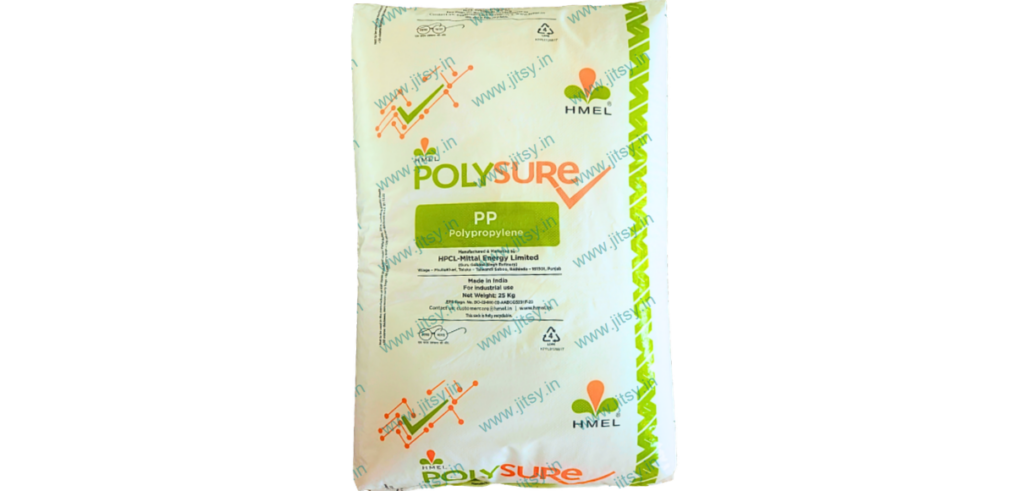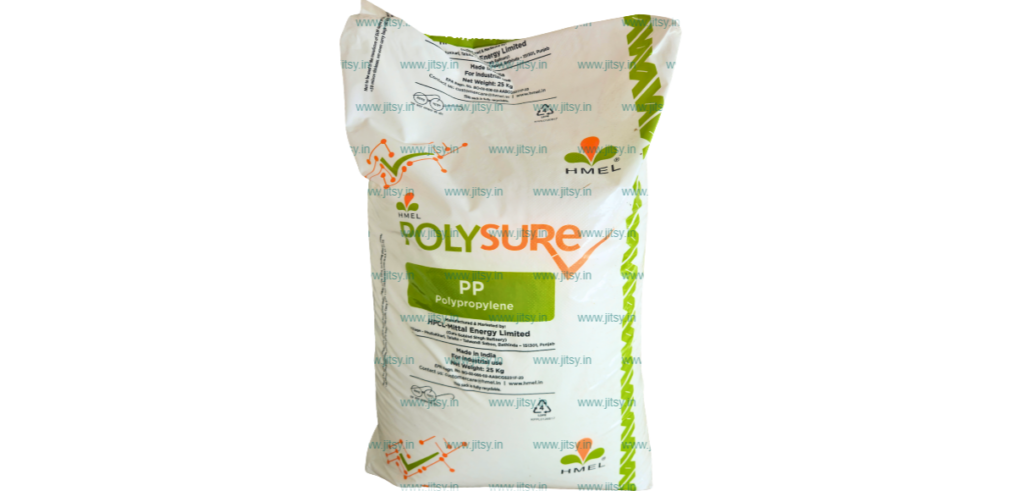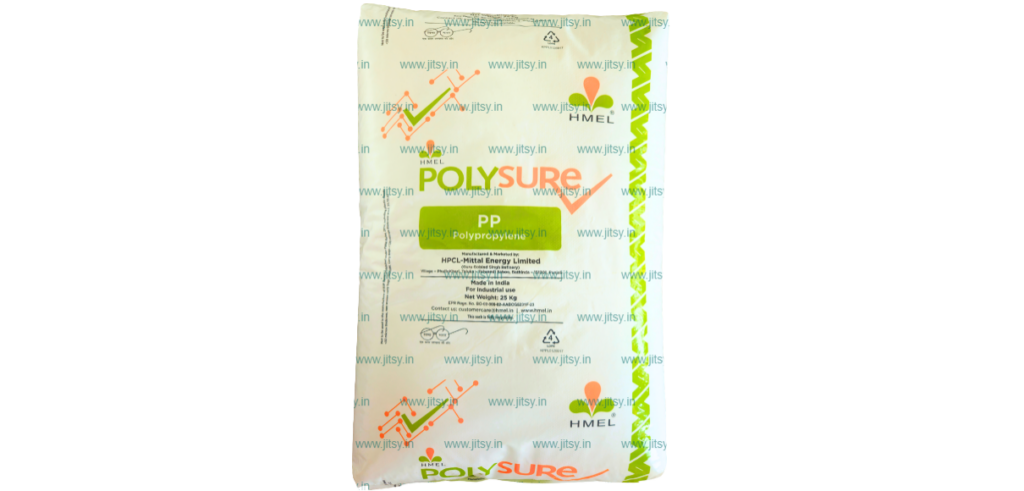
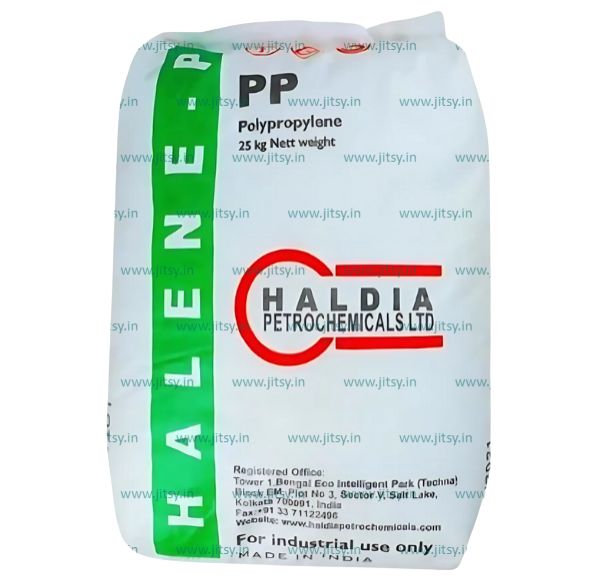
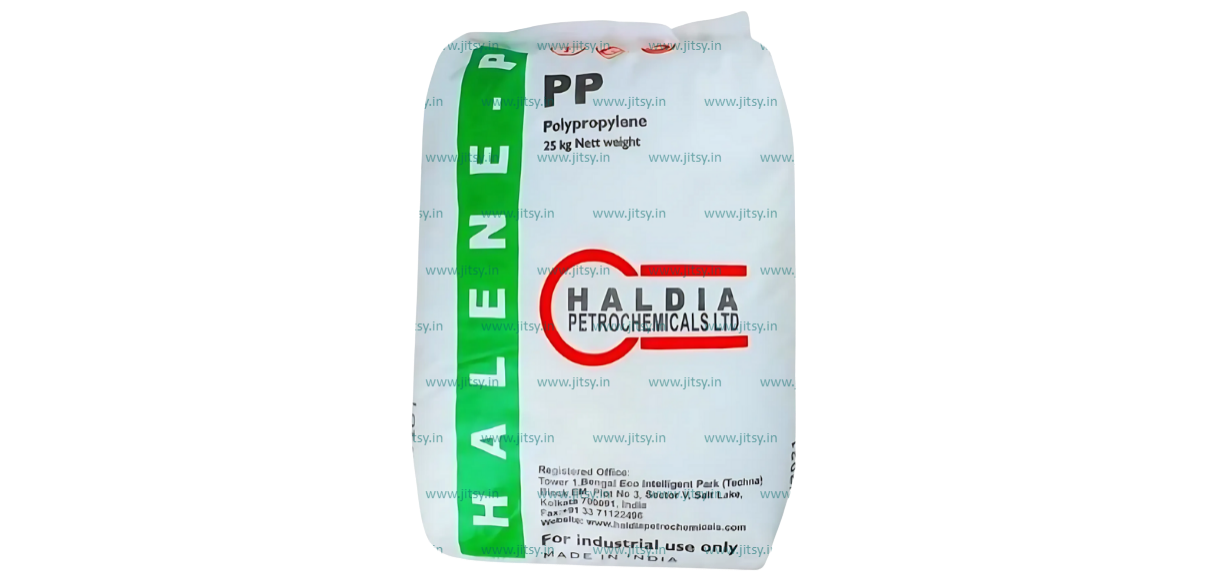
Haldia PP Halene-P R103

Haldia PP Halene-P R103 is a polypropylene homopolymer raffia grade developed by Haldia Petrochemicals Limited for stretched tape extrusion, woven sack production, flexible intermediate bulk containers, ropes, and industrial packaging applications. Manufactured using Spheripol Technology, this grade is designed to deliver exceptional processability, low water carry-over, excellent strength, reliable color stability, and consistent tape performance on raffia conversion lines. For buyers searching for Haldia PP Halene-P R103, R103 raffia grade, polypropylene homopolymer for woven sacks, or PP raffia raw material for FIBC in India, this grade is a highly relevant technical and commercial option.

Haldia Petrochemicals Limited is a recognized Indian polymer manufacturer with a broad polypropylene portfolio under the Halene-P brand. That portfolio includes film, raffia, and thermoforming grades, each assigned to a specific conversion route. Within this range, R103 is clearly positioned as a raffia-grade polypropylene homopolymer rather than a BOPP film resin or thermoforming material. That distinction is important because raffia processors need a different balance of melt flow, tape drawability, line stability, and finished-fabric strength than film or sheet converters. Halene-P R103 is designed specifically for those raffia and woven packaging requirements.

Deep Technical Insights

The technical profile of Halene-P R103 supports its use in raffia tape extrusion and woven packaging applications. The grade has a melt flow index of 3.0 g/10 min, which places it in the established range for polypropylene homopolymer raffia grades used in stretched tape production. This flow level supports stable extrusion and good tape formation while maintaining the melt strength needed for downstream stretching.

Its density of 0.90 g/cm³ is typical for polypropylene homopolymer and supports lightweight packaging structures without compromising processing efficiency. The grade also offers tensile strength at yield of 34 MPa and elongation at yield of 9 percent, indicating a balanced mechanical profile for tape and fabric applications where strength and controlled deformation are both important.

A flexural modulus of 1450 MPa supports stiffness and structural integrity in the finished tape and woven fabric, while notched Izod impact strength of 40 J/m contributes to toughness in handling and end-use conditions. The Vicat softening point of 153°C and heat deflection temperature of 93°C further reinforce its thermal stability profile, which is relevant in extrusion and downstream packaging performance.

One of the most important technical strengths of R103 is its exceptional processability. In raffia conversion, processors need a grade that runs smoothly at commercial line speeds and maintains consistent tape quality. The grade’s low water carry-over is especially valuable because it supports more uniform tape thickness and better process control. This can directly affect fabric consistency, weaving performance, and finished-package quality.

The grade is also described as offering excellent strength and color stability. For woven sacks, FIBC fabrics, ropes, and yarns, this matters because the finished product must combine durability with acceptable appearance and consistency. In practical terms, R103 is designed to help converters achieve stable processing and dependable packaging performance rather than simply meeting a generic polypropylene specification.

Processing and Raffia Line Performance

Haldia PP Halene-P R103 is designed for raffia and stretched tape extrusion lines where process consistency and tape quality are critical. Typical processing guidance includes barrel temperatures in the range of 220–280°C, die temperatures of 260–280°C, quench temperatures of 30–40°C, and stretching temperatures around 160°C in the oven stage. These conditions reflect its intended use in commercial raffia conversion rather than in injection moulding or film orientation lines.

For processors, the value of this grade lies in how it behaves across the entire tape-making sequence. A raffia-grade PP homopolymer must extrude smoothly, quench consistently, stretch efficiently, and maintain tape strength during weaving or downstream conversion. R103 is positioned to support exactly that workflow, which is why it is assigned to woven sacks, FIBC, ropes, and yarn applications.

Applications and Industry Use Cases

Woven Sacks

Halene-P R103 is highly suitable for woven sack production where tape strength, process consistency, and fabric quality are essential. It supports stretched tape extrusion for sacks used in cement, fertilizer, food grains, polymers, and other bulk-packed materials. In these applications, consistent tape thickness and reliable weaving performance are major selection criteria.

Flexible Intermediate Bulk Containers

The grade is also relevant for FIBC production, where polypropylene tapes are converted into heavy-duty woven fabrics for large-volume industrial packaging. In this segment, processors need a raffia-grade PP homopolymer that can support strong tapes, stable fabric formation, and dependable handling performance under demanding load conditions.

Ropes and Yarns

R103 can be used for ropes and yarns where strength, processability, and consistent extrusion behavior matter. These applications require a grade that can maintain stable tape or filament quality during conversion, making R103 a practical option for manufacturers serving industrial and agricultural end uses.

Food Grain and Agricultural Packaging

Because of its food-contact suitability and woven packaging relevance, Halene-P R103 is a strong candidate for food grain bags, agricultural packaging, and related bulk-use sacks. In these segments, converters often need a balance of mechanical strength, process efficiency, and compliance confidence.

Industrial Bulk Packaging

The grade is also well suited for industrial bulk packaging applications where woven polypropylene structures are used for storage, transport, and handling. For industrial packaging manufacturers, R103 offers a commercially relevant mix of processability, strength, and tape-line stability.

Comparable Alternatives

Within the Haldia Petrochemicals portfolio, R103 should be selected when the application is raffia tape extrusion and woven packaging. It should not be confused with F103, which is a BOPP film grade, or T103, which is designed for thermoforming. Even though all three are polypropylene homopolymer grades, their processing routes and end-use performance requirements are different. R103 is the correct choice when the target product is woven sack fabric, FIBC tape, rope, or yarn rather than film or sheet.

Compared with Indian alternatives such as IOCL Propel P1030RG and Reliance Repol H100FG, Halene-P R103 competes in the same broad raffia-grade category with a similar low-MFI processing profile suited for tape extrusion. Its differentiators include exceptional processability, low water carry-over, excellent strength, and color stability. These advantages make it especially attractive for converters focused on line consistency and woven fabric quality.

Compared with higher-flow grades such as HMEL Polysure Y12GR, R103 is better aligned with conventional raffia and stretched tape applications where a lower melt flow profile is preferred for tape formation and downstream stretching. The rationale behind assigning R103 to woven sacks, FIBC, ropes, and yarns is therefore technically clear: its flow behavior, processability, and mechanical balance are optimized for raffia conversion rather than for film orientation or injection moulding.

CAS Number

HSN Code

Need Technical guidance?

Access free official copy of Technical Data Sheet published by Manufacturer

Why buy Haldia PP Halene-P R103 from JITSY?

  • Direct import & verified sourcing
  • Authorised channel–led supply
  • Pan-India B2B delivery
  • Transparent pricing & documentation
  • Mobile app–enabled procurement
  • Full compliance (RoHS, BIS/ISI, EPR, GST)
  • Batch traceability

FAQs

Frequently Asked Questions

What is Haldia PP Halene-P R103 mainly used for?
R103 is mainly used for stretched tape raffia, woven sacks, FIBC, ropes, and yarns. It is designed for converters who need a polypropylene homopolymer grade that performs well on raffia lines and supports strong woven packaging products.
It offers good processability, low water carry-over, and strong mechanical performance, which are important for making uniform tapes and reliable woven fabrics. These qualities help improve both line efficiency and finished-sack quality.
Yes, it is one of the key application areas for this grade. FIBC manufacturers need strong and consistent raffia tapes, and R103 is positioned to support that type of heavy-duty woven packaging conversion.
R103 is a raffia-grade polypropylene for stretched tapes and woven packaging, while F103 is a film-grade resin for BOPP and lamination films. They are designed for different processing routes and should not be treated as interchangeable.
Low water carry-over helps improve tape thickness uniformity and process stability during raffia extrusion. For converters, this can lead to better tape consistency, smoother weaving, and more reliable finished packaging performance.
Yes, it is described as suitable for food-contact packaging and carries the BIS designation IS 10951-1-TB-A. This makes it relevant for woven packaging used in food grains and other contact-sensitive bulk products.
Raffia processors, woven sack manufacturers, FIBC producers, and rope or yarn converters should consider R103 when they need a low-flow PP homopolymer with strong processability and reliable tape performance.

What Customers Say

0 reviews
0
0
0
0
0

There are no reviews yet.

Be the first to review “Haldia PP Halene-P R103”

Related Articles