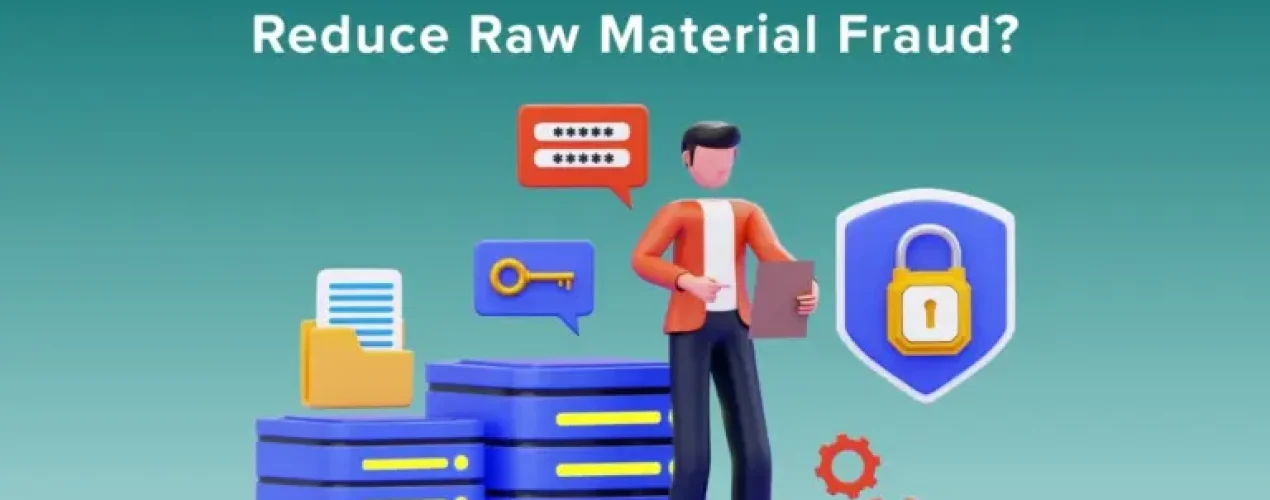
Raw material fraud is a frequent issue in conventional procurement. It usually happens due to the lack of supplier verification, the absence of records, and low levels of transparency. In manual systems, it is hard and time-consuming to keep track of materials. The digital procurement platforms assist in resolving these challenges by enhancing the visibility, control, and trust in the entire procurement process.
How Raw Material Fraud Happens?
Raw material fraud may happen at numerous points of purchase. Counterfeit suppliers can provide supplies at extremely cheap costs to win customers. Approved materials are sometimes not delivered, and instead, low-quality or mixed materials are delivered. There can be an absence or alteration of invoices, test reports, or quality certificates.
Price manipulation is another common form of raw materials fraud. Without standard pricing records and historical data, suppliers or intermediaries may inflate prices or quotations without detection. When procurement documentation is incomplete or scattered, such discrepancies remain unnoticed. This ultimately leads to financial losses, supply chain fraud, and operational inefficiencies in production.
Why Traditional Procurement Systems Fail?
Conventional procurement relies on telephone, WhatsApp messages, emails, and paper files to deal with sourcing. These procedures are time-consuming and difficult to track. The verification of suppliers is done without due diligence, or it is omitted altogether. The information flows across various teams and systems, and it is more difficult to track.
The middlemen add to the cost and lack procurement transparency. Records are not kept in a single location, which makes it hard to trace errors and fraud. This renders industrial procurement risky, particularly in the large operations of B2B procurement in India.
How Digital Procurement Platforms Reduce Fraud?
The digital procurement platform creates order and transparency. Materials suppliers are checked prior to supplying materials. All the procurement documentation is placed at a single point digitally. Quality compliance in procurement is ensured through required certificates and approvals. Prices are visible and can easily be compared. The tracking of the order depicts every single step. This helps to reduce the risk of fraud and enhances supply chain fraud prevention.
Key features include:
- Supplier verification
- Digital documentation
- Price transparency
- End-to-end order tracking
Benefits for Manufacturers
The benefits of enhanced procurement procedures to manufacturers are great. Authenticated suppliers reduce the risk of raw materials fraud. Audits and compliance checks are easier to do with clear and accurate records. Quality materials will be used to avoid delays in production and expensive rework.
Enhanced procurement transparency fosters trust amongst and with suppliers. In the long run, producers will cut costs that are not necessary, prevent conflicts, and have a smoother workflow. Such consistency encourages long-term growth and enables businesses to be more confident in planning.
Future of Fraud-Free Procurement
Digital procurement will be a necessity amongst manufacturers as the rules and compliance requirements ever-increase. Businesses will require traceability, proper records of suppliers, and proper records of all transactions.
Digital procurement solutions help facilitate secure sourcing, improved supplier control, and transparency of procurement. They simplify audits and reporting as well. Such sites will be significant in establishing safe, transparent, and reliable supply chains in B2B procurement markets such as B2B procurement India, which meet future standards.
Conclusion
Fraud of raw materials is increasing in manual and ambiguous procurement systems. This risk can be minimised by using digital procurement platforms that provide supplier verification and provide better transparency and appropriate documentation. Making a transition to digital procurement, manufacturers are able to safeguard the quality of materials, ensure compliance requirements, and create a stable and fraud-free supply chain that can ensure a stable business over a long period.
Platforms like Jitsy allow manufacturers to digitize procurement, verify suppliers, ensure compliance, and build transparent supply chains through a reliable B2B procurement ecosystem.