






Brand
 Borouge Pte LtdBorouge Pte Ltd 1
 Haldia Petrochemicals LtdHaldia Petrochemicals Ltd 4
 HMEL - HPCL-Mittal Energy LimitedHMEL - HPCL-Mittal Energy Limited 4
 IOCL - Indian Oil Corporation LimitedIOCL - Indian Oil Corporation Limited 1
 LyondellBasell Industries NVLyondellBasell Industries NV 1
 ONGC Petro Additions LtdONGC Petro Additions Ltd 6
 Reliance Industries LimitedReliance Industries Limited 5
 Sipchem - Saudi International PetrochemicalSipchem - Saudi International Petrochemical 1
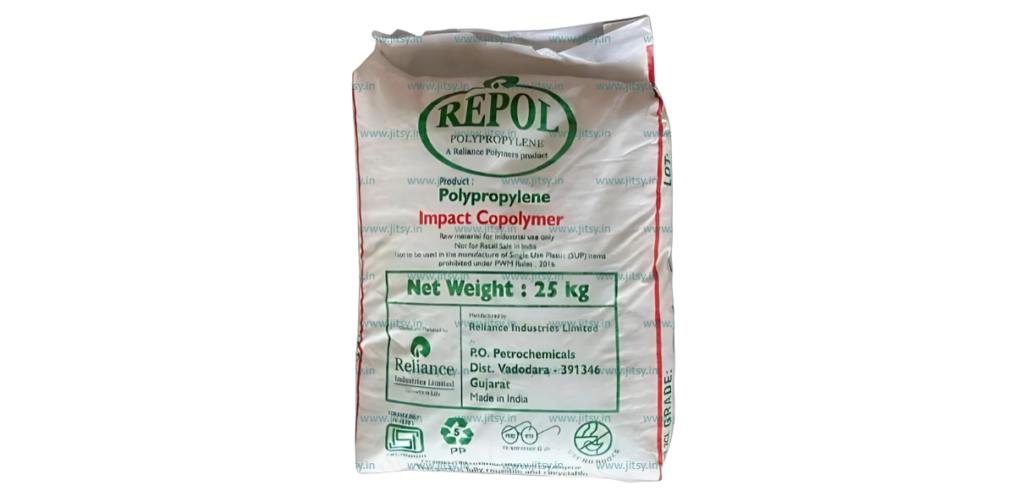
Reliance PPCP Repol C120MN
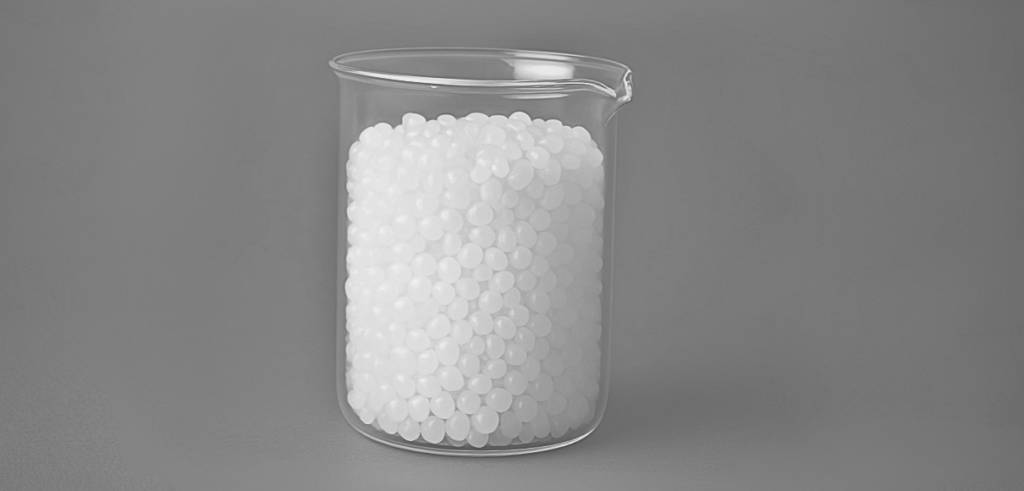
Reliance PPCP Repol C120MN is a polypropylene impact copolymer (PPCP) engineered by Reliance Industries for injection molding applications. This grade delivers high impact strength, excellent low-temperature performance, and balanced stiffness, making it ideal for demanding molded parts. Repol C120MN is trusted by injection molders, OEMs, compounders, and procurement teams in automotive, appliances, packaging, and industrial sectors seeking reliable B2B polymer supply.
Key Features & Benefits
- High impact strength for robust parts
- Excellent low-temperature performance
- Balanced stiffness and flexibility
- Smooth processability for injection molding
- Consistent quality and batch traceability
Technical Properties & Processing
Material Properties
- Mechanical: High impact resistance, balanced stiffness, dimensional stability
- Thermal: Maintains properties at low temperatures; suitable for automotive and appliance use
- Rheological: Medium MFI for efficient cycle times
- Compliance: Meets relevant standards for automotive, appliance, and packaging applications (verify per end-use)
Recommended Processing Conditions
- Barrel temp: 180–230°C (typical)
- Mold temp: 30–60°C (typical)
- Store in a dry, dust-free area below 50°C
- Refer to datasheet for machine/part-specific settings
Typical Applications
Repol C120MN is widely used in automotive components (bumpers, trims, battery cases), appliance parts (refrigerator bins, washing machine housings), crates, containers, furniture, and general-purpose injection molded goods. Its high impact strength and processability make it a preferred choice for manufacturers targeting durability, regulatory compliance, and efficient production.
Reliance PPCP Repol D120MA
Reliance Repol D120MA is a polypropylene impact copolymer (PPCP) grade developed for injection moulding applications where high impact strength and antistatic performance are critical. Engineered with a built-in antistatic agent, D120MA reduces static charge buildup, making it ideal for automotive interiors, luggage shells, industrial housings, and compounding bases where dust, lint, or static-related defects must be minimized. Its medium-high flow (MFI 12) enables reliable moulding of complex, medium/thick-wall parts without sacrificing toughness—delivering robust, durable products for demanding environments.
Technical specifications
Physical properties (MFI, density)
- Melt Flow Rate: 12 g/10 min (230°C/2.16 kg) – supports good flow for complex shapes while retaining impact strength
- Density:90 g/cm³ – standard for PP impact copolymers
Mechanical performance (impact, stiffness)
- Tensile Strength at Yield: 19 MPa – delivers strength for structural and load-bearing parts
- Elongation at Yield: 10% – supports flexibility under load
- Flexural Modulus: 900 MPa – medium stiffness for automotive and luggage applications
- Notched Izod Impact (23°C): 550 J/m – outstanding toughness for drop and impact resistance
- Shore D Hardness: 66 – reliable rigidity and surface durability
Thermal & regulatory compliance
- Heat Deflection Temperature: 90°C (455 kPa) – suitable for automotive interiors and consumer goods
- Compliance: IS 10910:1984, IS 16738:2018 (food/pharma/drinking water contact); FDA 21 CFR 177.1520; EU 10/2011; BfR VII; Swiss SR 817.023.21; MERCOSUR GMC 56/92
Applications & use cases
Automotive components
D120MA is engineered for automotive bumpers, interior trims, battery boxes, and underbody shields. Its high notched impact strength (550 J/m) ensures drop resistance and durability, while the antistatic agent minimizes dust attraction and static-related defects—critical for painted or electroplated parts and assembly environments.Luggage shells
For hard-shell suitcases, trolley frames, and travel goods, D120MA’s toughness delivers long-lasting, crack-resistant products that withstand rough handling. The antistatic property keeps luggage surfaces cleaner and reduces lint pickup during storage and transport.Compounding base resin
D120MA is an ideal matrix for talc- or glass-filled automotive compounds, TPE blends, and weatherable formulations. Its antistatic feature reduces dust during handling and processing, and its high impact strength survives compounding shear, supporting demanding technical applications.Processing guidelines
- Melt temperature: 200–260°C
- Mould temperature: 15–50°C
- Injection speed: High speeds leverage antistatic flow; ensure proper packing to avoid sink marks in ribs and bosses
- Antistatic benefit: Reduces mould release issues and static-related defects in cleanroom or dust-sensitive production
- Troubleshooting:
- Flow marks: Increase injection speed
- Warpage: Use balanced cooling
- Short shots: Optimise gate size and melt temperature
Performance advantages
- Antistatic edge: Built-in antistatic agent reduces static charge, dust pickup, and static-related defects—outperforming standard PPCP grades in automotive, luggage, and industrial settings.
- Superior impact: 550 J/m notched Izod impact provides drop and crack resistance in demanding applications.
- Balanced flow: MFI 12 delivers processability for medium/thick-wall parts, unlike ultra-high MFI grades that may lose toughness.
- Regulatory breadth: Complies with major global and Indian food, pharma, and consumer goods standards.
- Versatile compounding: Excellent base for filled and blended technical compounds.
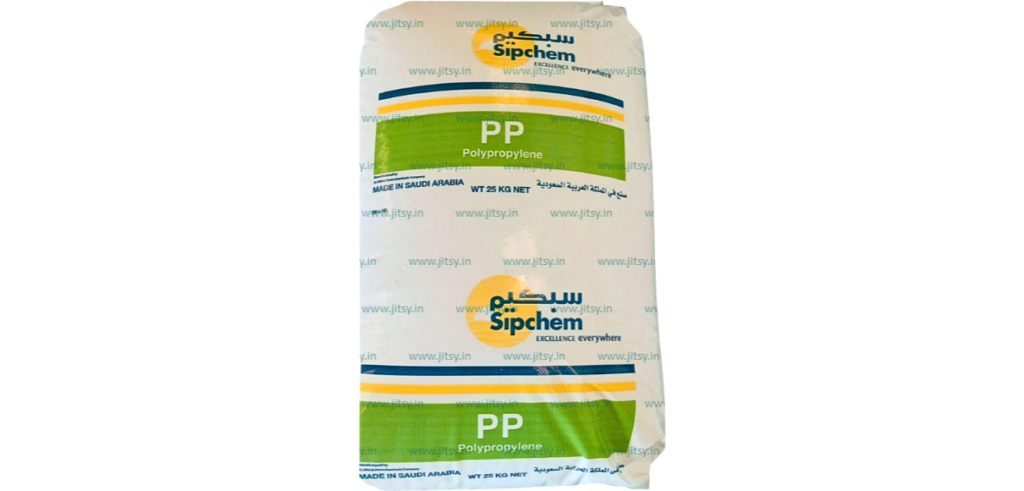
Sipchem PPCP Sahara C 700 HT
Sipchem Sahara C 700 HT is a nucleated heterophasic polypropylene impact copolymer (PPCP) engineered for advanced injection moulding. With an outstanding melt flow index of 70 g/10 min, this grade is purpose-built for thin-walled, high-output applications. Sahara C 700 HT’s nucleation technology ensures rapid crystallisation and dimensional stability, while antistatic additivation delivers dust-free handling and improved hygiene—crucial for food packaging and consumer products. Supplied as natural granules (density 0.9 g/cm³), it is fully compliant with EU 10/2011 and other major food-contact regulations, making it a trusted solution for converters and OEMs worldwide.
