


Thermoplastic Microspheres
Find the Right Material, Right When You Need It.
Source premium expandable thermoplastic microspheres at JITSY to achieve superior lightweighting and insulation in polymers. Our B2B range offers high-performance foaming agents for diverse industrial applications. Benefit from wholesale pricing and reliable bulk supply.
What Are Thermoplastic Microspheres?
Understanding the Technology
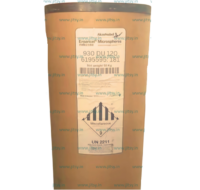
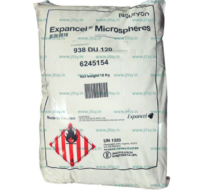
Polymer microspheres are microscopic spherical particles ranging from 10 to 300 micrometres in diameter. Picture tiny hollow balls made from thermoplastic materials that expand when you heat them. These create lightweight structures with brilliant insulation whilst keeping strength.
Unlike solid additives that add bulk, microspheres cut density dramatically. Found in coatings, adhesives, composites, and automotive parts. Hollow structure traps air inside, providing thermal insulation. Different polymer compositions deliver varying expansion ratios, temperature resistance, and chemical stability.
Types of Polymer Microspheres Available at JITSY
Product Range:
| Type | Characteristics | Common Uses |
|---|---|---|
| Unexpanded | Ready for processing | Manufacturing compounds |
| Pre-expanded | Already activated | Direct incorporation |
| Acrylic shell | Higher temp resistance | Coatings, plastics |
| Vinylidene chloride | Chemical resistance | Adhesives, sealants |
Expandable microspheres offer expansion temperatures 80°C-200°C, particle sizes of 10-150 microns. Each plastic microsphere grade suits a specific processing. Technical datasheets specify expansion ratios, density, and thermal stability for precise application matching.
Key Benefits of Using Expandable Microspheres
Why Manufacturers Choose Them:
- Weight drops by 20-40% without losing strength
- Thermal insulation improves dramatically through air entrapment
- Sound-dampening cuts noise transmission significantly
- Material costs reduce as you need less raw material per product
- Processing works with your existing equipment setup
- Surface finish quality actually improves
- Shrinkage during molding decreases noticeably
- Dimensional stability is enhanced across temperature ranges
Thermally expandable microspheres outperform traditional fillers brilliantly. Unlike dense fillers, which just add weight, these maintain properties whilst cutting costs. Processing temperatures match standard thermoplastic methods perfectly, no special equipment needed.
Where Are Thermally Expandable Microspheres Used?
Microspheres for Lightweight Shoe Sole & Footwear Applications
Microspheres for lightweight shoe sole production transform footwear manufacturing. Midsoles achieve superior cushioning whilst staying incredibly light. Athletic shoes, work boots, and casual footwear help gain weight reduction without compromising durability. Technology works alongside materials like DCP crosslinking agent and EVA. Similar to how dicumyl peroxide functions as a curing agent, microspheres enhance properties through physical structure. Some manufacturers combine them with di-cumyl peroxide systems for specialized applications.
Applications of Microspheres in Industry
Where They're Actually Used:
- Car manufacturing - Dashboards, boot liners, underbody coatings, trim
- Building sites - Lightweight concrete, joint filler, insulation boards
- Paint factories - Textured coatings, rust protection, road paint
- Adhesive production - Gap fillers, construction glues
- Packaging plants - Foam inserts, insulated shipping boxes
- Aerospace - Lightweight composites, structural foams
Hollow polymer microspheres swap out heavier fillers across loads of industries. Injection molding, spray coating, whatever your process, they work easily enough.
How to Choose the Right Hollow Polymer Microsphere Grade
Selection Guide:
- Processing Temperature - Match microsphere expansion temp to your manufacturing process. Too low, they expand prematurely. Too high, you're not getting full expansion.
- Particle Size - Tiny ones (10-30 microns) for coatings. Bigger (80-150 microns) for molding thick composites.
- Expansion Ratio - Higher ratios cut weight but might affect mechanical properties.
- Shell Compatibility - Ensure the shell material works with your resin system chemically.
JITSY's suppliers provide technical support matching grades precisely.
How the JITSY Procurement Process Works
Straightforward Ordering:
- Browse microspheres distributors' listings, filter by type/size/expansion temp
- Compare specs, certs, pricing from verified suppliers
- Request quotes through the platform, specify quantity, timeline, and grade
- Review supplier credentials, ratings, documentation
- Place orders securely through JITSY's platform
- Track shipments in real time
Bulk orders or custom formulations? Chat directly with suppliers about your manufacturing requirements.
Why Choose JITSY
Platform Advantages:
- Verified suppliers only - thoroughly vetted manufacturers
- Instant comparisons - prices, specs, certifications side-by-side
- Technical expertise - suppliers understand industry requirements
- Complete documentation - test certs, MSDS, compliance paperwork
- Competitive pricing - network cost advantages
JITSY aggregates India's leading suppliers centrally. Whether sourcing thermally expandable microspheres. Procurement becomes straightforward. Customer support ensures smooth transactions.
Frequently Asked Questions
What are polymer microspheres used for in manufacturing?
Cutting product weight massively, keeping heat in or out better, making surfaces look nicer, and saving money on raw materials. Car makers and construction companies use them for lightweight bits, speciality coatings, adhesive mixes, and moulded parts.
What's the difference between expandable and thermally expandable microspheres?
Same thing basically - both grow when heated. "Thermally expandable" just emphasizes heat activation. Once expanded, they become hollow polymer microspheres.
Can hollow polymer microspheres reduce product weight?
Absolutely. Weight reductions of 20-40% common without losing strength. Hollow structure displaces denser materials whilst maintaining mechanical performance.
Where can microspheres be used in footwear production?
Midsoles, insoles, outsoles. Creates cushioning, reduces fatigue, and improves comfort. Works brilliantly in athletic shoes, work boots, casual footwear.
Do you provide documentation with microsphere orders?
Yeah, suppliers provide technical sheets, test certs, MSDS, compliance paperwork.
What Are Thermoplastic Microspheres?
Understanding the Technology
Polymer microspheres are microscopic spherical particles ranging from 10 to 300 micrometres in diameter. Picture tiny hollow balls made from thermoplastic materials that expand when you heat them. These create lightweight structures with brilliant insulation whilst keeping strength.
Unlike solid additives that add bulk, microspheres cut density dramatically. Found in coatings, adhesives, composites, and automotive parts. Hollow structure traps air inside, providing thermal insulation. Different polymer compositions deliver varying expansion ratios, temperature resistance, and chemical stability.
Types of Polymer Microspheres Available at JITSY
Product Range:
| Type | Characteristics | Common Uses |
|---|---|---|
| Unexpanded | Ready for processing | Manufacturing compounds |
| Pre-expanded | Already activated | Direct incorporation |
| Acrylic shell | Higher temp resistance | Coatings, plastics |
| Vinylidene chloride | Chemical resistance | Adhesives, sealants |
Expandable microspheres offer expansion temperatures 80°C-200°C, particle sizes of 10-150 microns. Each plastic microsphere grade suits a specific processing. Technical datasheets specify expansion ratios, density, and thermal stability for precise application matching.
Key Benefits of Using Expandable Microspheres
Why Manufacturers Choose Them:
- Weight drops by 20-40% without losing strength
- Thermal insulation improves dramatically through air entrapment
- Sound-dampening cuts noise transmission significantly
- Material costs reduce as you need less raw material per product
- Processing works with your existing equipment setup
- Surface finish quality actually improves
- Shrinkage during molding decreases noticeably
- Dimensional stability is enhanced across temperature ranges
Thermally expandable microspheres outperform traditional fillers brilliantly. Unlike dense fillers, which just add weight, these maintain properties whilst cutting costs. Processing temperatures match standard thermoplastic methods perfectly, no special equipment needed.
Where Are Thermally Expandable Microspheres Used?
Microspheres for Lightweight Shoe Sole & Footwear Applications
Microspheres for lightweight shoe sole production transform footwear manufacturing. Midsoles achieve superior cushioning whilst staying incredibly light. Athletic shoes, work boots, and casual footwear help gain weight reduction without compromising durability. Technology works alongside materials like DCP crosslinking agent and EVA. Similar to how dicumyl peroxide functions as a curing agent, microspheres enhance properties through physical structure. Some manufacturers combine them with di-cumyl peroxide systems for specialized applications.
Applications of Microspheres in Industry
Where They're Actually Used:
- Car manufacturing - Dashboards, boot liners, underbody coatings, trim
- Building sites - Lightweight concrete, joint filler, insulation boards
- Paint factories - Textured coatings, rust protection, road paint
- Adhesive production - Gap fillers, construction glues
- Packaging plants - Foam inserts, insulated shipping boxes
- Aerospace - Lightweight composites, structural foams
Hollow polymer microspheres swap out heavier fillers across loads of industries. Injection molding, spray coating, whatever your process, they work easily enough.
How to Choose the Right Hollow Polymer Microsphere Grade
Selection Guide:
- Processing Temperature - Match microsphere expansion temp to your manufacturing process. Too low, they expand prematurely. Too high, you're not getting full expansion.
- Particle Size - Tiny ones (10-30 microns) for coatings. Bigger (80-150 microns) for molding thick composites.
- Expansion Ratio - Higher ratios cut weight but might affect mechanical properties.
- Shell Compatibility - Ensure the shell material works with your resin system chemically.
JITSY's suppliers provide technical support matching grades precisely.
How the JITSY Procurement Process Works
Straightforward Ordering:
- Browse microspheres distributors' listings, filter by type/size/expansion temp
- Compare specs, certs, pricing from verified suppliers
- Request quotes through the platform, specify quantity, timeline, and grade
- Review supplier credentials, ratings, documentation
- Place orders securely through JITSY's platform
- Track shipments in real time
Bulk orders or custom formulations? Chat directly with suppliers about your manufacturing requirements.
Why Choose JITSY
Platform Advantages:
- Verified suppliers only - thoroughly vetted manufacturers
- Instant comparisons - prices, specs, certifications side-by-side
- Technical expertise - suppliers understand industry requirements
- Complete documentation - test certs, MSDS, compliance paperwork
- Competitive pricing - network cost advantages
JITSY aggregates India's leading suppliers centrally. Whether sourcing thermally expandable microspheres. Procurement becomes straightforward. Customer support ensures smooth transactions.
Frequently Asked Questions
What are polymer microspheres used for in manufacturing?
Cutting product weight massively, keeping heat in or out better, making surfaces look nicer, and saving money on raw materials. Car makers and construction companies use them for lightweight bits, speciality coatings, adhesive mixes, and moulded parts.
What's the difference between expandable and thermally expandable microspheres?
Same thing basically - both grow when heated. "Thermally expandable" just emphasizes heat activation. Once expanded, they become hollow polymer microspheres.
Can hollow polymer microspheres reduce product weight?
Absolutely. Weight reductions of 20-40% common without losing strength. Hollow structure displaces denser materials whilst maintaining mechanical performance.
Where can microspheres be used in footwear production?
Midsoles, insoles, outsoles. Creates cushioning, reduces fatigue, and improves comfort. Works brilliantly in athletic shoes, work boots, casual footwear.
Do you provide documentation with microsphere orders?
Yeah, suppliers provide technical sheets, test certs, MSDS, compliance paperwork.