






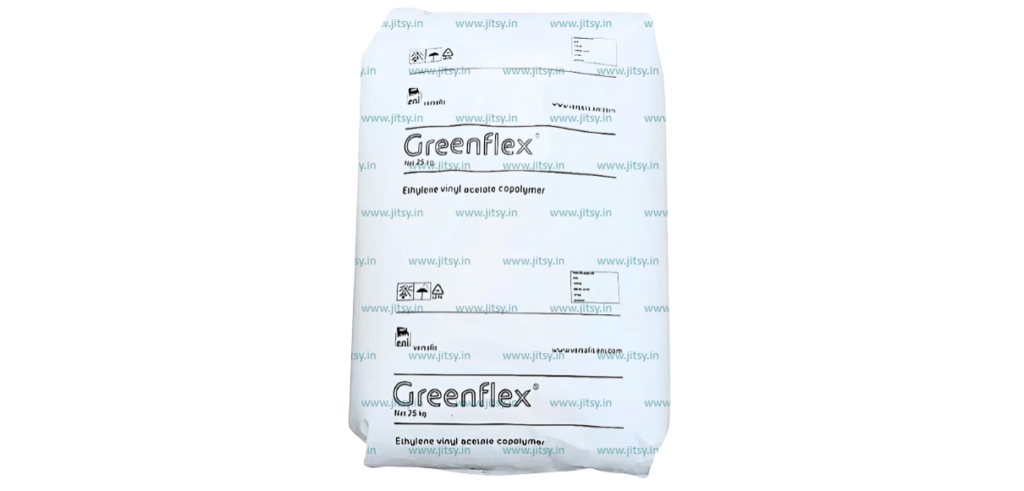
Greenflex EVA ML20
Versalis EVA Greenflex ML20 is a premium ethylene-vinyl acetate copolymer (EVA) featuring 7% vinyl acetate, engineered for general-purpose injection moulding applications that demand flexibility, toughness, and outstanding ESCR (environmental stress-crack resistance). Manufactured by Versalis S.p.A. (Eni Group), Greenflex ML20 is trusted by Indian and global customers for seals, gaskets, flexible sport/leisure goods, and technical parts where robust low-temperature impact and chemical resistance are essential. The Greenflex EVA family includes bio-attributed variants (ML20 BA/BCA) for sustainability-focused projects.
Functional Features & Technical Detail
- 7% VA Content: Provides the right balance of flexibility, resilience, and stress-crack resistance for demanding injection-moulded parts.
- Medium Melt Flow (MFI 2.5): Ensures excellent processability and part definition in complex moulds.
- High Shore A Hardness (95): Combines soft touch with form stability for seals, grips, and guards.
- Exceptional Low-Temperature Toughness: Brittleness temperature ≤ –80 °C for reliable performance in cold environments.
- Superior ESCR: Resists cracking under stress, detergents, and oils – ideal for industrial, automotive, and consumer parts.
Applications
Versalis EVA Greenflex ML20 is the go-to EVA injection grade for:- Flexible Seals and Gaskets: Injection-moulded seals for closures, appliances, packaging, and technical assemblies benefit from Greenflex ML20’s flexibility, dimensional stability, and chemical resistance.
- Sport & Leisure and Consumer Goods: Used for grips, guards, soft sporting goods, and flexible leisure items, offering comfort, toughness, and a pleasant touch.
- Flexible Technical Items (Industrial & Automotive): Cable accessories, vibration dampers, flexible housings, and parts exposed to stress, chemicals, or low temperatures.
- Flexible seals & gaskets
- Sport & leisure goods
- Industrial technical parts
- Automotive flexible components
- Consumer grips & guards
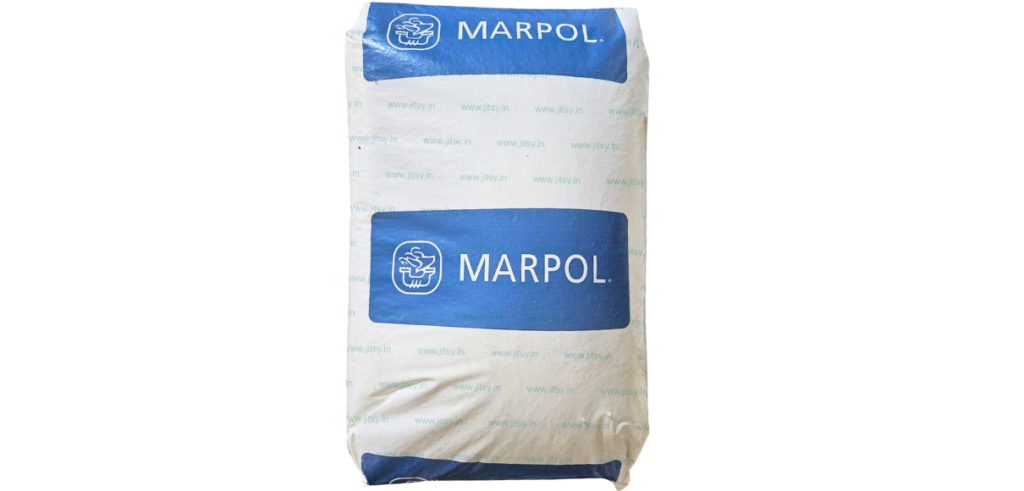
Marpol EVA 802
What Is Marpol EVA 802?
Marpol EVA 802 (MARPOL® EVA 802) is a low-vinyl acetate (8.7%) ethylene-vinyl acetate copolymer film resin engineered for blown and cast film extrusion. Distributed globally by Marco Polo International, Marpol EVA 802 is designed for high-clarity, high-impact, and high-sealability film structures, especially for food and meat packaging. Its unique balance of clarity, toughness, and low seal-initiation temperature makes it a preferred choice for Indian flexible packaging converters, meat packers, and industrial film producers.Functional Features & Technical Detail
- 7% VA Content: Delivers the ideal balance of flexibility, toughness, and sealability for food films.
- Excellent Impact Strength: High dart drop and tear resistance for robust, abuse-resistant packaging.
- Superior Heat Sealability: Low seal-initiation temperature and strong hot-tack, outperforming LDPE in seal reliability.
- High Clarity, Low Haze: Gloss ~88, haze ~1.5% for attractive, transparent packaging.
- Consistent Processing: MI ~2 g/10 min for stable blown/cast film extrusion and good bubble stability.
Applications
Marpol EVA 802 is trusted by Indian and global film producers for:- Meat and Food Packaging Films: Mono- and multi-layer films for fresh and processed meat, cheese, and chilled foods. Offers high dart impact, reliable seals, and excellent clarity for product visibility.
- Coextruded PE/EVA Films: Used as a sealant layer over LDPE/LLDPE base films, Marpol EVA 802 brings lower seal-initiation temperature, better hot-tack, and improved abuse resistance.
