





Marpol EVA 1802
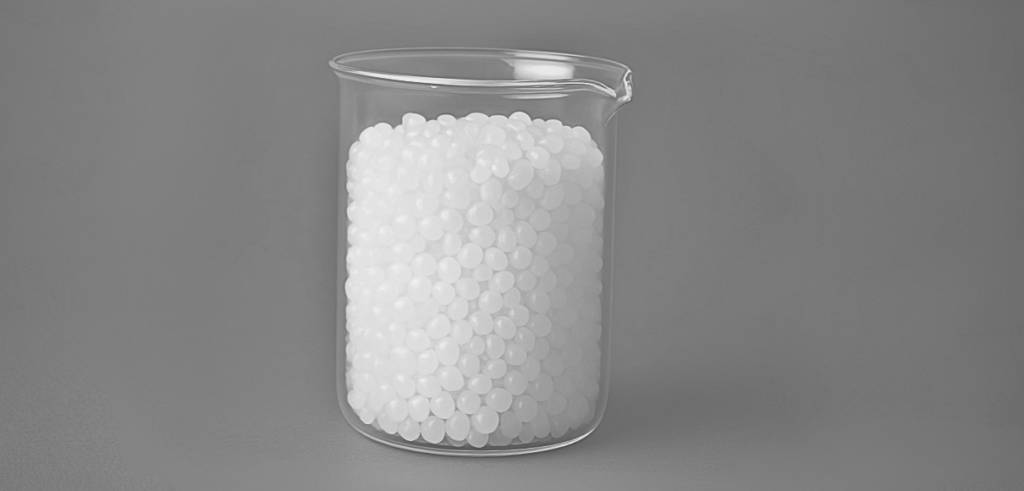
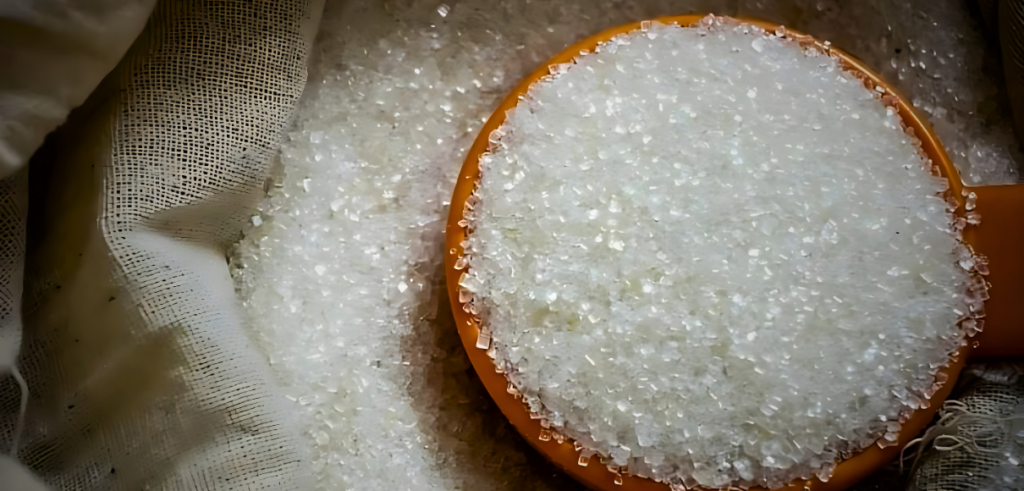
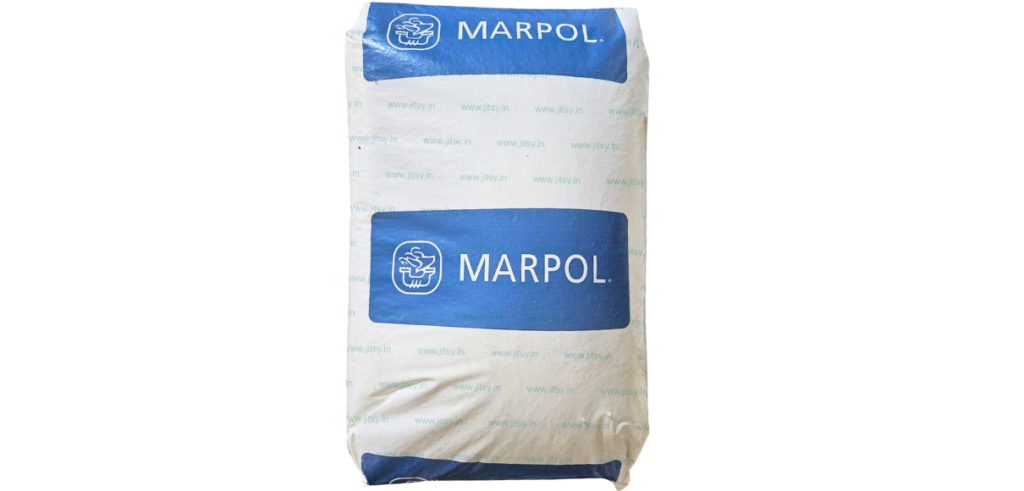
MARPOL EVA 1802 (often called Marco Polo EVA 1802) is an ethylene‑vinyl acetate (EVA) copolymer with 18 wt% vinyl acetate and melt flow rate 2.0 g/10 min (190°C/2.16 kg). It’s engineered for shoe compounds, films, and flexible packaging where flexibility, toughness, and processability are critical. Supplied as white/natural granules, EVA 1802 is globally trusted and widely used in India for footwear compounding, blown film, extrusion coating, foam, and general EVA applications.
Widely used in: Footwear, flexible packaging, film extrusion, foam, and industrial compounding across Delhi-NCR, Gujarat, Maharashtra, Tamil Nadu, and all major Indian manufacturing regions.
Functional Features & Specs - Why EVA 1802 is a Trusted Authority
- 18%-VA-Standard: 18 wt% VA - the classic shoe compound and packaging film composition, balancing flexibility and adhesion.
- 2-MFR-Balanced: Melt flow rate 2.0 g/10 min (190°C/2.16 kg, ASTM D1238) - ideal for compounding, film, and foam processing.
- Low-Temp-Resistant: Brittleness below -76°C, service range down to -80°C - remains flexible in cold-chain, winter, and freezer uses.
- High-Elasticity: Excellent elasticity and cushioning, with high shock absorption and comfort for footwear and packaging.
- Compound-Friendly: Designed for universal EVA compounding - blends well with fillers, rubbers, and other polymers.
- Mechanical Authority: Film yield tensile 41 MPa (MD), dart impact ≈606 g, elongation at yield 410-560% - top-tier for packaging and shoe bases.
- Environmental & Chemical Resistance: Stable across temperatures, with good resistance to chemicals and external impacts.
- Global Certification: Supported by MARPOL/Marco Polo datasheets and international distributor data, making it a reference EVA for technical buyers.
Applications - Where EVA 1802 Excels
Shoe Compounds & Footwear Components
- Regions: Delhi-NCR, Gujarat, Maharashtra, Tamil Nadu
- Uses: Shoe-sole EVA compounds, outsoles, midsoles, insoles, pads, cushioning
- Why: 18% VA, 2.0 MFR, high elasticity and shock absorption - perfect for comfort, durability, and all-weather performance
Films & Flexible Packaging
- Uses: Blown/cast EVA films, flexible packaging, lamination layers, co-extruded film structures
- Why: High mechanical and impact performance, low-temp flexibility, and reliable sealability
Foam & EVA Foam Products
- Uses: Foam sheets, blocks, pads, sports and protective goods, footwear-adjacent foam products
- Why: Good elasticity, low-temp resistance, and shock absorption for cushioning and impact protection
General EVA Compounds & Industrial Uses
- Uses: Base for EVA compounds, modifiers for PE blends, automotive, construction, and consumer goods
- Why: Universal, reliable, and compound-friendly with high mechanical stability
Marpol EVA 802
What Is Marpol EVA 802?
Marpol EVA 802 (MARPOL® EVA 802) is a low-vinyl acetate (8.7%) ethylene-vinyl acetate copolymer film resin engineered for blown and cast film extrusion. Distributed globally by Marco Polo International, Marpol EVA 802 is designed for high-clarity, high-impact, and high-sealability film structures, especially for food and meat packaging. Its unique balance of clarity, toughness, and low seal-initiation temperature makes it a preferred choice for Indian flexible packaging converters, meat packers, and industrial film producers.Functional Features & Technical Detail
- 7% VA Content: Delivers the ideal balance of flexibility, toughness, and sealability for food films.
- Excellent Impact Strength: High dart drop and tear resistance for robust, abuse-resistant packaging.
- Superior Heat Sealability: Low seal-initiation temperature and strong hot-tack, outperforming LDPE in seal reliability.
- High Clarity, Low Haze: Gloss ~88, haze ~1.5% for attractive, transparent packaging.
- Consistent Processing: MI ~2 g/10 min for stable blown/cast film extrusion and good bubble stability.
Applications
Marpol EVA 802 is trusted by Indian and global film producers for:- Meat and Food Packaging Films: Mono- and multi-layer films for fresh and processed meat, cheese, and chilled foods. Offers high dart impact, reliable seals, and excellent clarity for product visibility.
- Coextruded PE/EVA Films: Used as a sealant layer over LDPE/LLDPE base films, Marpol EVA 802 brings lower seal-initiation temperature, better hot-tack, and improved abuse resistance.
