





Taisox EVA 7350M
High-Performance EVA Copolymer for Cross-Linked Foam, Gaskets & Industrial Applications
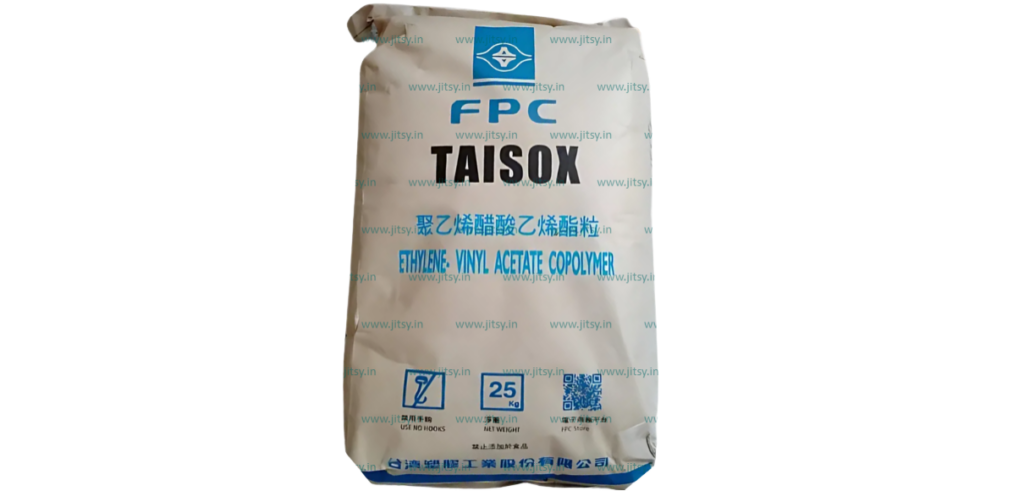
Taisox EVA 7350M is the benchmark 18% vinyl acetate copolymer resin from Formosa Plastics (Taiwan), designed for high-performance, cross-linked foam and industrial applications. Manufactured using advanced high-pressure polymerization, this grade delivers exceptional crosslinkability, elasticity, and chemical resistance-making it the trusted choice for India’s leading footwear, gasket, cable, and technical compound manufacturers.Product Overview & Manufacturing Excellence
Taisox EVA 7350M is a soft, flexible thermoplastic copolymer engineered for demanding environments. Its 18 wt% vinyl acetate content is optimized for cross-linking, delivering a unique combination of high elasticity (~800% elongation), mechanical strength, and chemical resistance. Manufactured by Formosa Plastics using proprietary high-pressure technology, every batch offers consistent melt flow, uniform molecular weight, and reliable mechanical properties.- Base Polymer: Ethylene-Vinyl Acetate Copolymer (EVA)
- Vinyl Acetate Content: 18 wt% (optimized for cross-linking)
- Melt Index: 2.5 g/10 min (@190°C/2.16kg)
- Density: 0.938 g/cm³
- Melting Point: 84°C
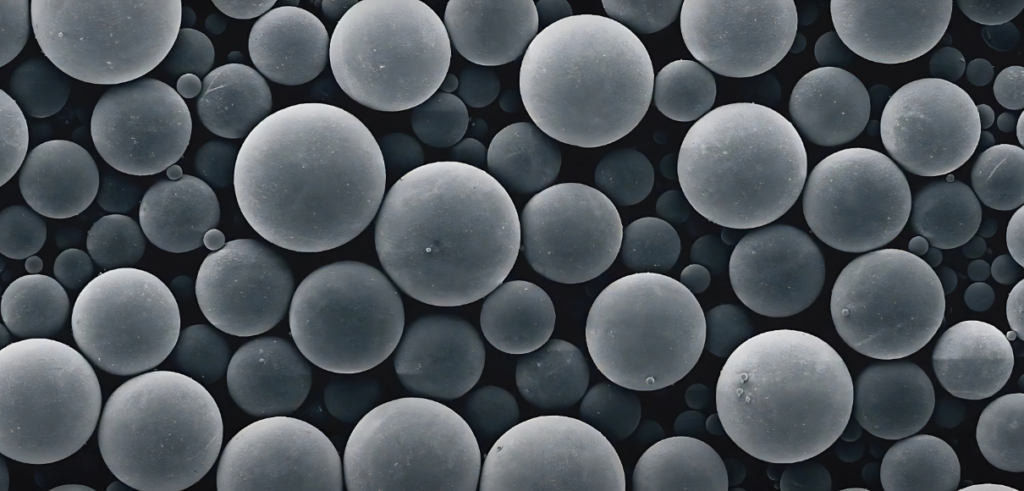
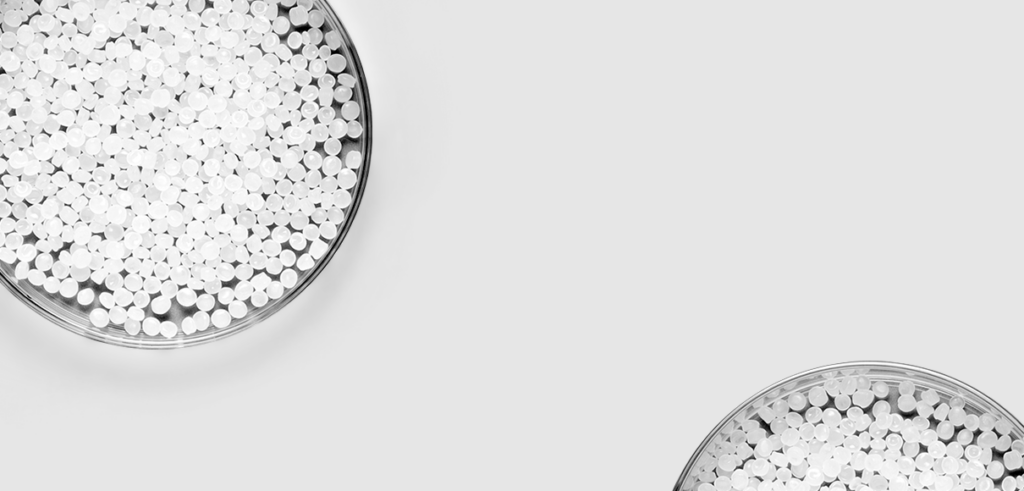
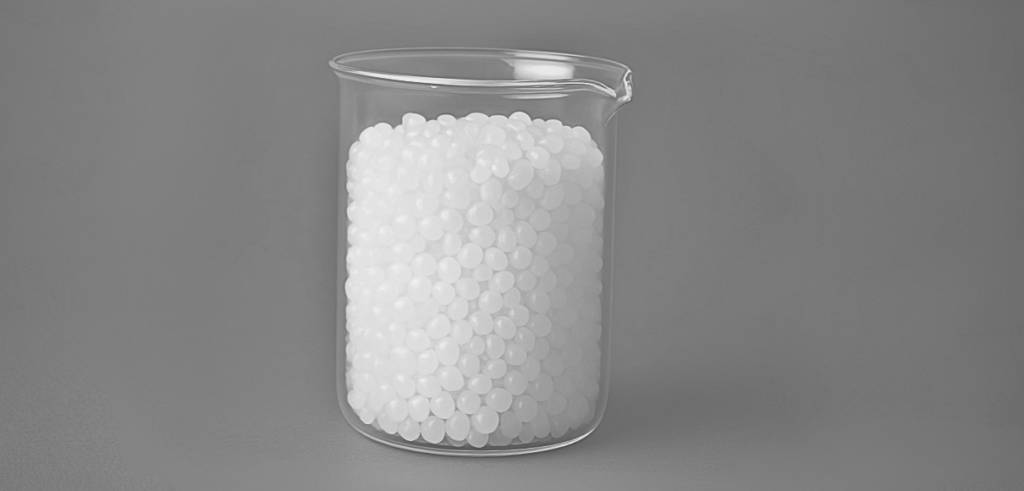
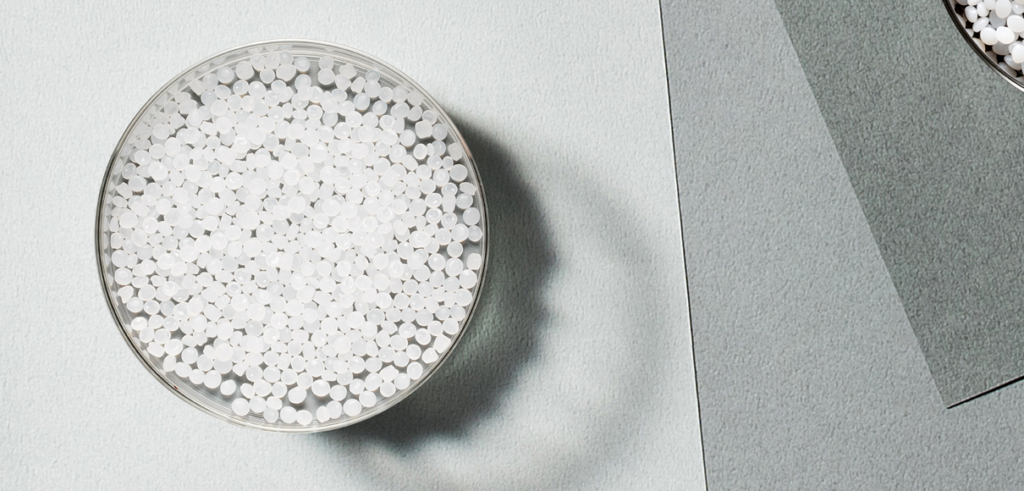
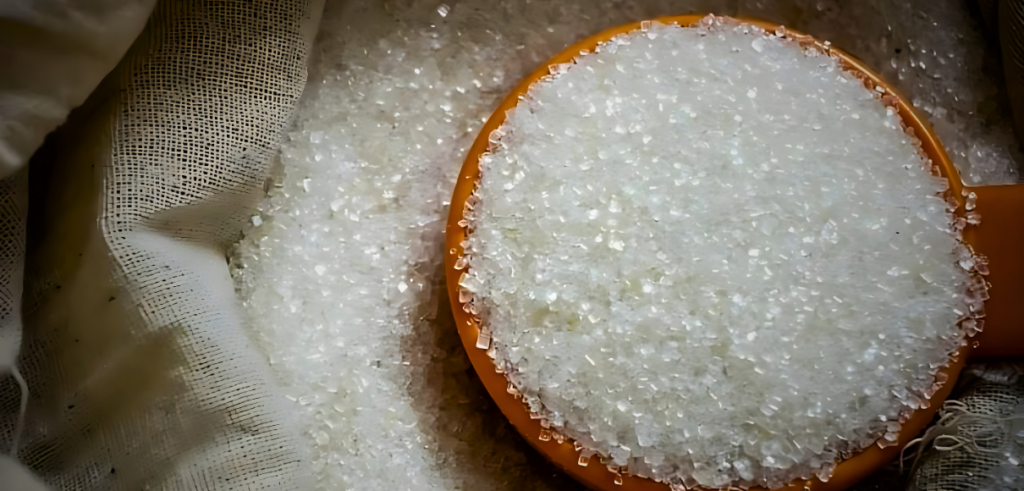
- Physical Form: Pellets/Granules (25 kg bags, natural/white)
- Additives: 300 ppm thermal stabilizer, no slip/antiblock (enables custom formulation)
Why Taisox EVA 7350M Outperforms
- Highly Crosslinkable: Engineered for peroxide cross-linking; achieves 70-90% gel content for permanent thermoset foam. Delivers <10% compression set at 70°C-ideal for premium footwear, gaskets, and seals.
- Exceptional Elasticity: ~800% elongation at break ensures maximum flexibility and comfort, even after cross-linking.
- Outstanding Chemical Resistance: Superior resistance to UV, ozone, oils, solvents, and environmental stress-cracking-suitable for outdoor and industrial use.
- Low Processing Temperature: 84°C melting point reduces energy costs, minimizes degradation, and allows faster production cycles.
- Superior Durability: Cross-linked foam lasts 3-4x longer than uncross-linked EVA, with 5+ year lifespans in demanding applications.
Detailed Applications & Market Segments
Cross-Linked Foam Shoes & Midsoles (50% Market Share)
- Where: Tamil Nadu, Haryana, Delhi NCR, Gujarat
- Use: Athletic midsoles, premium slippers, orthopedic insoles, recovery footwear
- Why: Delivers long-term cushioning, shape memory, and durability for high-wear products
- How: Peroxide cross-linking (1-3% loading), compression/injection molding at 150-180°C, post-cure for best gel content
Gaskets, Seals & Cable Compounds (25% Market Share)
- Where: Haryana, Gujarat, Maharashtra
- Use: HVAC/refrigeration gaskets, automotive weather seals, cable jacketing, vibration dampers
- Why: Maintains flexibility at -70°C, resists compression set, and stands up to chemicals and oils
Foam Sheets & Cushioning (15% Market Share)
- Where: Tamil Nadu, Gujarat, Delhi NCR
- Use: Sports mats, packaging foam, anti-fatigue flooring, acoustic panels
- Why: Lightweight, customizable density, superior outdoor durability
Injection-Molded Parts (8% Market Share)
- Where: Pan-India (OEMs, job shops)
- Use: Flexible connectors, soft-touch grips, tubing, dampers, enclosures
- Why: Consistent melt flow, easy processing, perfect for complex geometries
Blending & Specialized Compounds (2% Market Share)
- Where: Pan-India
- Use: EVA blends, hot-melt adhesives, custom color/formulations
- Why: No slip/antiblock, clean compounding, easy pigment/filler integration
