






Borouge Pte Ltd
  • No categories

Thermoplastic Microspheres

Polypropylene Random Copolymer

Polypropylene Impact Copolymer

Polypropylene Homopolymer

Polymers

Other Allied Products

Ethylene Vinyl Acetate

DiCumyl Peroxide

Borouge PPCP BJ368MO

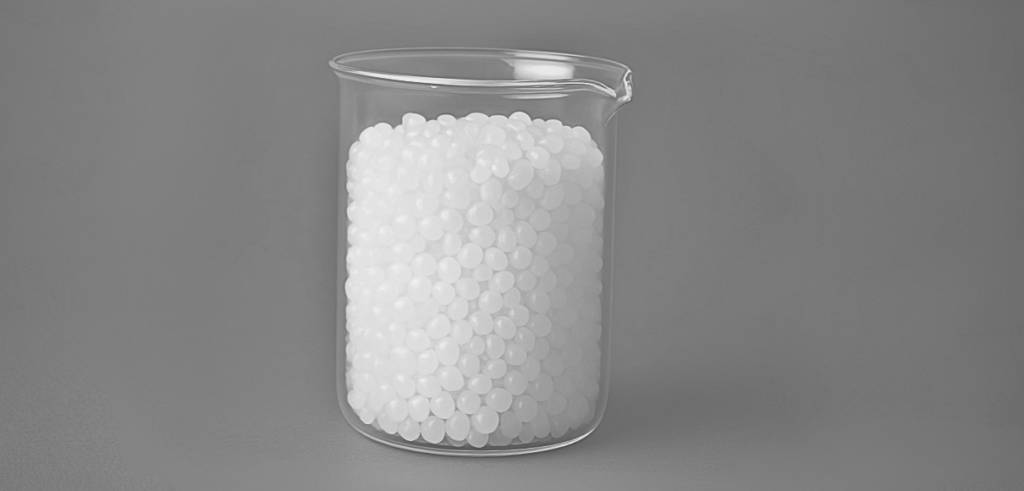
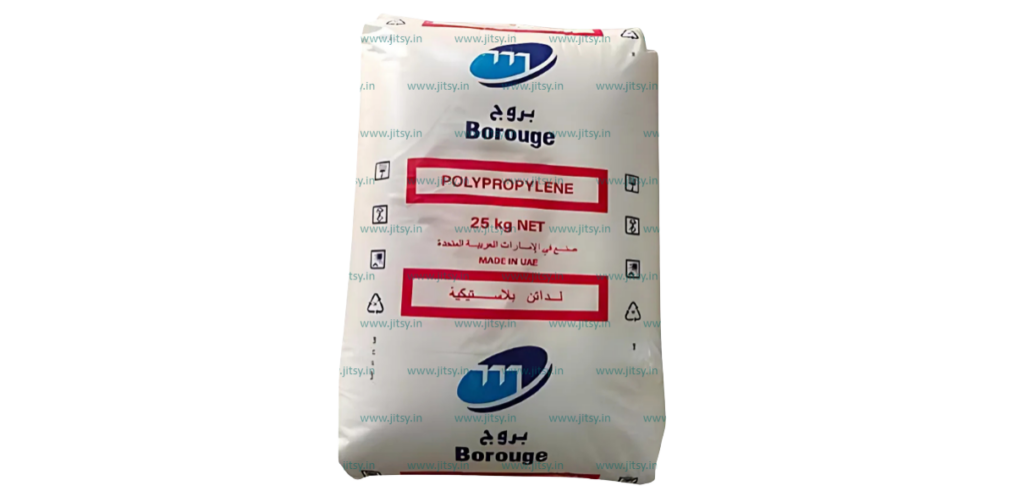
Borouge BJ368MO is a state-of-the-art heterophasic polypropylene block copolymer (PPCP) engineered with Borstar Nucleation Technology (BNT) for advanced injection moulding. With a very high melt flow rate of 70 g/10 min, BJ368MO delivers outstanding processability, high stiffness-impact balance, and reduced cycle times—making it ideal for thin-wall packaging, food containers, and industrial parts. Its nucleated formulation ensures rapid crystallisation and dimensional stability, while built-in antistatic and mould release properties support fast, hygienic, and efficient production. Supplied as natural granules in 25 kg bags, BJ368MO is designed for converters demanding global food-contact compliance and reliable, high-output manufacturing.

Functional Features (Industry Authority)

Borouge BJ368MO stands out for its process efficiency and technical performance. The high MFI supports rapid mould filling in thin-wall and complex geometries, reducing energy consumption and cycle times. BNT nucleation technology ensures consistent part quality, minimized warpage, and superior surface gloss. The grade’s balanced stiffness and impact properties make it suitable for both rigid and semi-flexible applications. Antistatic and easy mould release features improve hygiene and throughput, particularly in food and medical packaging. BJ368MO meets stringent global food-contact standards, including EU 10/2011, Swiss Ordinance 817.023.21, GB31604.8-2021, Mercosur 32/2010, and IS 9845:1988.

Applications & Industry Insights

Thin-Wall Packaging & Containers

BJ368MO is engineered for high-speed production of thin-wall packaging, food tubs, and ice cream cups. Its high flow and nucleation allow for lightweight, rigid containers with excellent surface gloss and dimensional accuracy. The antistatic property ensures clean demoulding and hygiene, crucial for food and medical packaging.

Appliances & Houseware

Appliance and houseware manufacturers use BJ368MO for components requiring a balance of gloss, impact strength, and rigidity—such as trays, covers, and internal fittings. The grade’s processability supports complex part designs and high-cavitation tooling.

Compounding & Industrial

BJ368MO serves as a robust base resin for mineral-filled and reinforced PPCP compounds, supporting the production of custom grades for automotive, electronics, and specialty industrial parts. Its high stiffness and impact balance enable reliable performance in functional and load-bearing applications.

Performance Advantages

Compared to non-nucleated PPCP and lower-MFI grades, BJ368MO delivers faster crystallisation, shorter cycle times, and output gains. Its BNT technology ensures superior part quality, reduced warpage, and consistent mechanical performance. The built-in antistatic and mould release features further differentiate BJ368MO from competitors like Reliance B650MN and IOCL 3650MN, especially for hygiene-critical and export applications.

Compliance & Documentation

BJ368MO is certified for food-contact under EU 10/2011, Swiss 817.023.21, GB31604.8-2021, Mercosur 32/2010, and IS 9845:1988. Each batch is supplied with a Product Data Sheet (PDS), Safety Data Sheet (SDS), Certificate of Analysis (COA), and regulatory compliance letters upon request. Converters are responsible for final article testing under their specific conditions of use.

Packaging & Storage

Supplied in robust 25 kg bags, BJ368MO should be stored in dry, covered spaces below 50°C and away from direct sunlight. JITSY ensures pan-India logistics, reliable stock availability, and export-ready documentation for global buyers.

Online store of household appliances and electronics

Then the question arises: where’s the content? Not there yet? That’s not so bad, there’s dummy copy to the rescue. But worse, what if the fish doesn’t fit in the can, the foot’s to big for the boot? Or to small? To short sentences, to many headings, images too large for the proposed design, or too small, or they fit in but it looks iffy for reasons.

A client that’s unhappy for a reason is a problem, a client that’s unhappy though he or her can’t quite put a finger on it is worse. Chances are there wasn’t collaboration, communication, and checkpoints, there wasn’t a process agreed upon or specified with the granularity required. It’s content strategy gone awry right from the start. If that’s what you think how bout the other way around? How can you evaluate content without design? No typography, no colors, no layout, no styles, all those things that convey the important signals that go beyond the mere textual, hierarchies of information, weight, emphasis, oblique stresses, priorities, all those subtle cues that also have visual and emotional appeal to the reader.