







BCPL PP Brahma-pol FH110N
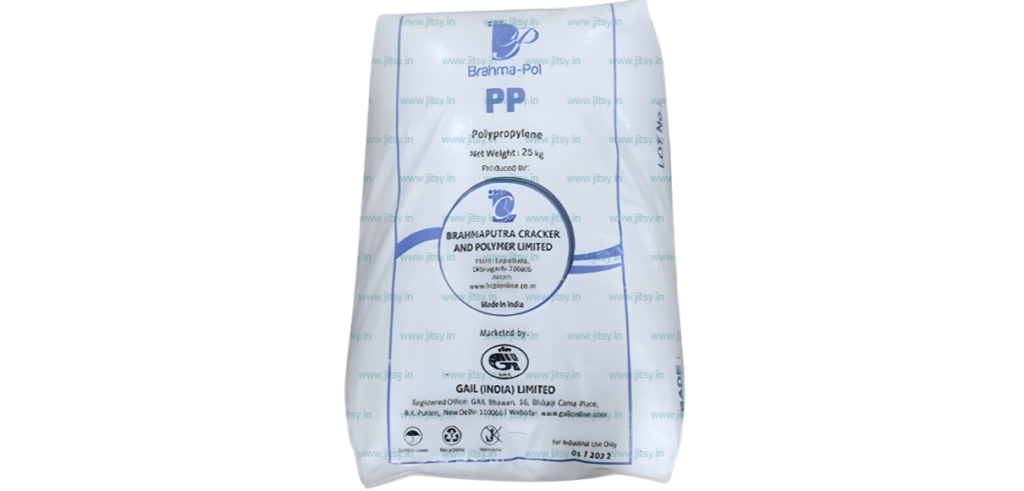
BCPL PP Brahma-pol FH110N is a polypropylene homopolymer TQ film grade manufactured by Brahmaputra Cracker and Polymer Limited using Novolen Gas Phase technology. Developed for tubular water quenched film applications, this grade is known for its excellent stiffness, high clarity, and balanced processing performance. It is widely used in transparent food packaging, textile overwraps, garment bags, and snack food packaging where converters need clean appearance, stable film behavior, and dependable output consistency.
Brahmaputra Cracker and Polymer Limited is a recognized Indian polypropylene producer, and its Brahma-pol PP range is positioned for industrial conversion segments such as film and raffia. FH110N sits in the TQ film category and is designed for buyers who need a homopolymer resin that supports transparent film production with a useful balance of stiffness and optical appeal. In practical terms, this makes the grade relevant for packaging manufacturers looking for better shelf presentation, neat film structure, and reliable machinability in water quenched film lines.
Technical Specifications and Deep Technical Insights
FH110N has a melt flow index of 10.5 g/10 min at 230°C, which places it in a processing window suitable for tubular water quenched film production. This flow profile supports smoother melt behavior and helps converters maintain output consistency across packaging film applications. The grade offers tensile strength at yield of 340 kg/cm², elongation at yield of 9%, and flexural modulus of 15000 kg/cm². For film manufacturers, this combination translates into a material that delivers good stiffness without losing essential handling performance. The stiffness profile is especially important in transparent packaging because it helps films hold shape better during conversion, packing, and presentation. FH110N also has a Vicat softening point of 154°C, which reflects the thermal resistance expected from a polypropylene homopolymer film grade in this category. This supports stable downstream handling in applications where film appearance, sealing behavior, and dimensional consistency matter. Recommended processing guidance includes barrel temperatures of 180–240°C and a die temperature around 200°C. In production terms, this gives converters a practical operating range for maintaining film clarity, melt stability, and efficient line performance. Buyers evaluating film grades often compare MFI, stiffness, tensile behavior, and thermal response together, and FH110N stands out as a grade built specifically for transparent TQ film applications rather than general-purpose raffia or molding use.Applications
Transparent Food Packaging
FH110N is well suited for transparent food packaging where film clarity and stiffness directly affect product visibility and pack appearance. Converters producing clear packaging films can use this grade where neat presentation, stable film formation, and consistent processing are important for commercial packaging lines.Textile Overwraps
In textile overwrap applications, FH110N supports films that need a clean look and enough stiffness for proper wrapping performance. This makes it relevant for packaging fabrics, garments, and textile products where optical quality and handling characteristics both influence buyer acceptance.Garment Bags
For garment bag manufacturing, FH110N offers the clarity needed for product display along with the structural feel expected in transparent protective packaging. It is a suitable choice for converters supplying apparel packaging where appearance, fold behavior, and line processability matter.Snack Food Packaging
Snack food packaging often requires transparent or presentation-focused film structures, and FH110N fits this need with its stiffness and clarity profile. It can be positioned for packaging formats where visual appeal, film uniformity, and dependable conversion performance are key selection factors.Performance Advantages
FH110N is valued for the way it balances optical and mechanical performance in TQ film production. Its clarity helps improve packaging presentation, while its stiffness supports better film feel and handling. The grade is also attractive for converters seeking a homopolymer resin that runs efficiently in tubular water quenched film lines without being positioned as a broad, undefined packaging resin. That application focus is one of its strongest commercial advantages.Comparable Alternatives
Within the BCPL portfolio, WH034N is positioned more toward raffia, monofilament, and woven sack applications, so it serves a different conversion need from FH110N. Buyers focused on transparent films should not treat both grades as interchangeable because FH110N is specifically aligned to TQ film processing and packaging clarity. Compared with MRPL HF010, FH110N sits in a very similar application space for TQ film, garment bags, and general transparent packaging. Both grades target film converters, but FH110N should be positioned strongly where BCPL sourcing preference, documentation access, and TQ film clarity-stiffness balance are key buying factors. Against broader market alternatives from OPaL, IOCL, and Reliance, FH110N competes as a specialized Indian PP homopolymer film grade for transparent packaging applications. The rationale behind the grade is clear: it is assigned to converters who need a film-focused resin with suitable flow, good stiffness, and optical performance rather than a raffia-first or injection-first grade.
BCPL PP Brahma-pol IH120N
BCPL PP Brahma-pol IH120N is a polypropylene homopolymer injection moulding grade manufactured by Brahmaputra Cracker and Polymer Limited using Novolen Gas Phase technology. Designed for general purpose injection moulding, this grade is widely used in rigid packaging, furniture, houseware, planters, pots, and closures where processors need dependable flow, good stiffness, and balanced mechanical strength.
Brahmaputra Cracker and Polymer Limited is an established Indian producer of polypropylene resins, and its Brahma-pol PP portfolio serves multiple conversion segments including injection moulding, film, and raffia. IH120N is positioned as a general purpose injection moulding grade for manufacturers looking for a practical balance of processability and part rigidity. In commercial terms, it is a relevant choice for moulders producing everyday rigid plastic components that require stable filling, consistent cycle performance, and reliable finished-part strength.
Technical Specifications and Deep Technical Insights
IH120N has a melt flow index of 12 g/10 min at 230°C, placing it in a versatile processing range for general injection moulding applications. This flow level supports easier cavity filling and makes the grade suitable for a broad mix of moulded products, especially where processors want a balance between flow and structural performance rather than an ultra-high-flow or highly specialized resin. The grade delivers tensile strength at yield of 350 kg/cm², elongation at yield of 8%, and flexural modulus of 15500 kg/cm². Together, these values indicate a material designed for rigid moulded articles that need shape retention, handling strength, and dependable in-use performance. For manufacturers, the flexural modulus is especially relevant in products such as houseware, closures, and furniture parts where stiffness influences feel, durability, and dimensional stability. IH120N also shows a Vicat softening point of 154°C, which supports thermal resistance expected from a polypropylene homopolymer in rigid consumer and industrial moulded applications. This helps processors and buyers assess the grade for products that may face moderate thermal exposure during use, storage, or downstream handling. Recommended processing guidance includes barrel temperatures of 200–280°C and a mould temperature around 40°C. In practical moulding operations, this gives processors a workable window for maintaining melt flow, part finish, and cycle consistency. Buyers comparing injection grades usually evaluate MFI, stiffness, tensile properties, and thermal response together, and IH120N stands out as a straightforward general purpose PP homopolymer for rigid injection moulding rather than film or raffia conversion.Applications
General Purpose Injection Moulding
IH120N is designed for general purpose injection moulding where processors need a dependable polypropylene homopolymer for routine production. Its balanced flow and stiffness profile make it suitable for manufacturers producing standard rigid parts with repeatable mould filling and consistent finished-part quality.Rigid Packaging
In rigid packaging applications, IH120N supports moulded products that require structural integrity, neat appearance, and practical processing performance. This makes it relevant for packaging manufacturers producing containers, caps, and other rigid items where stiffness and mechanical strength are important selection factors.Furniture and Houseware
For furniture and houseware segments, IH120N offers the rigidity and strength needed for moulded consumer products that must hold shape during regular use. It is a suitable grade for manufacturers making practical household items where durability, mouldability, and production efficiency all matter.Planters, Pots, and Closures
Planters, pots, and closures require a resin that can process smoothly while maintaining enough stiffness for end-use handling and product form. IH120N fits these applications well because it supports stable moulding and produces rigid parts suited to everyday industrial and consumer use.Performance Benefits
IH120N is valued for its combination of good flow properties, stiffness, and mechanical strength in general injection moulding. It helps processors achieve efficient mould filling while still delivering rigid finished parts. This makes it commercially attractive for manufacturers who want a dependable PP injection moulding grade for a broad range of rigid applications without moving into highly specialized or narrow-use materials.Comparable Alternatives
Within the BCPL portfolio, FH110N is positioned for TQ film applications and WH034N is aligned with raffia and woven conversion, so neither should be treated as a direct substitute for IH120N in injection moulding. IH120N is the correct BCPL grade when the requirement is rigid moulded products rather than film or woven structures. Compared with MRPL HM012T, IH120N sits in a closely comparable category because both grades are built for general purpose injection moulding and have similar melt flow positioning. Buyers evaluating the two would typically compare supply preference, stiffness profile, processing familiarity, and documentation support. Against OPaL MH13 and Reliance Repol H110MA, IH120N competes as a practical Indian PP homopolymer for rigid packaging and houseware moulding. The rationale behind the grade is clear: it is assigned to applications that need balanced flow, good rigidity, and reliable mechanical performance rather than thin-wall ultra-high-flow moulding or film-grade conversion.
BCPL PP Brahma-pol WH034N
BCPL PP Brahma-pol WH034N is a polypropylene homopolymer raffia grade manufactured by Brahmaputra Cracker and Polymer Limited using Novolen Gas Phase technology. Designed for stretched tape and yarn applications, this grade combines low water carry-over, good processability, and strong mechanical performance for woven sack and monofilament converters.
Brahma-pol WH034N is positioned in BCPL’s raffia and monofilament portfolio as a dependable low-MFI polypropylene homopolymer for tape extrusion and related downstream conversion. It is especially relevant for manufacturers that need stable tape formation, good tenacity, and efficient processing on raffia lines. BCPL, a GAIL group company, produces this grade through Novolen Gas Phase technology, supporting consistent polymer quality for industrial packaging and monofilament applications.
